
COSMETIC
SAFETY
STUDIES
REQUEST MORE INFORMATION
COSMETIC
SAFETY
STUDIES
REQUEST MORE INFORMATION
COSMETIC SAFETY AND SKIN COMPATIBILITY STUDIES
At AITEX, we carry out cosmetic safety studies and dermatological tests designed to assess the skin compatibility of cosmetic products under controlled and real-life conditions of use. These studies support claims such as “dermatologically tested”, “suitable for sensitive skin”, “tested under dermatological supervision” or “non-irritant”, generating scientific evidence for cosmetic manufacturers and brands.
Our capabilities include skin tolerance studies, irritation assessment, sensitisation tests and tests under specialist medical supervision, providing key information for R&D, Regulatory Affairs, Quality and Marketing departments.
WHY CARRY OUT SAFETY STUDIES ON COSMETICS?
Safety is an essential requirement for any cosmetic product before it is placed on the market. Skin compatibility studies make it possible to assess the tolerance of formulations and identify potential reactions such as irritation, sensitisation or discomfort resulting from their use.
As well as ensuring consumer safety, these studies provide scientific evidence to support claims such as “dermatologically tested”, “suitable for sensitive skin” or “non-irritant”. This information is key for cosmetic manufacturers and brands during the development, validation and launch of new products.

SKIN COMPATIBILITY AND DERMATOLOGICAL TOLERANCE
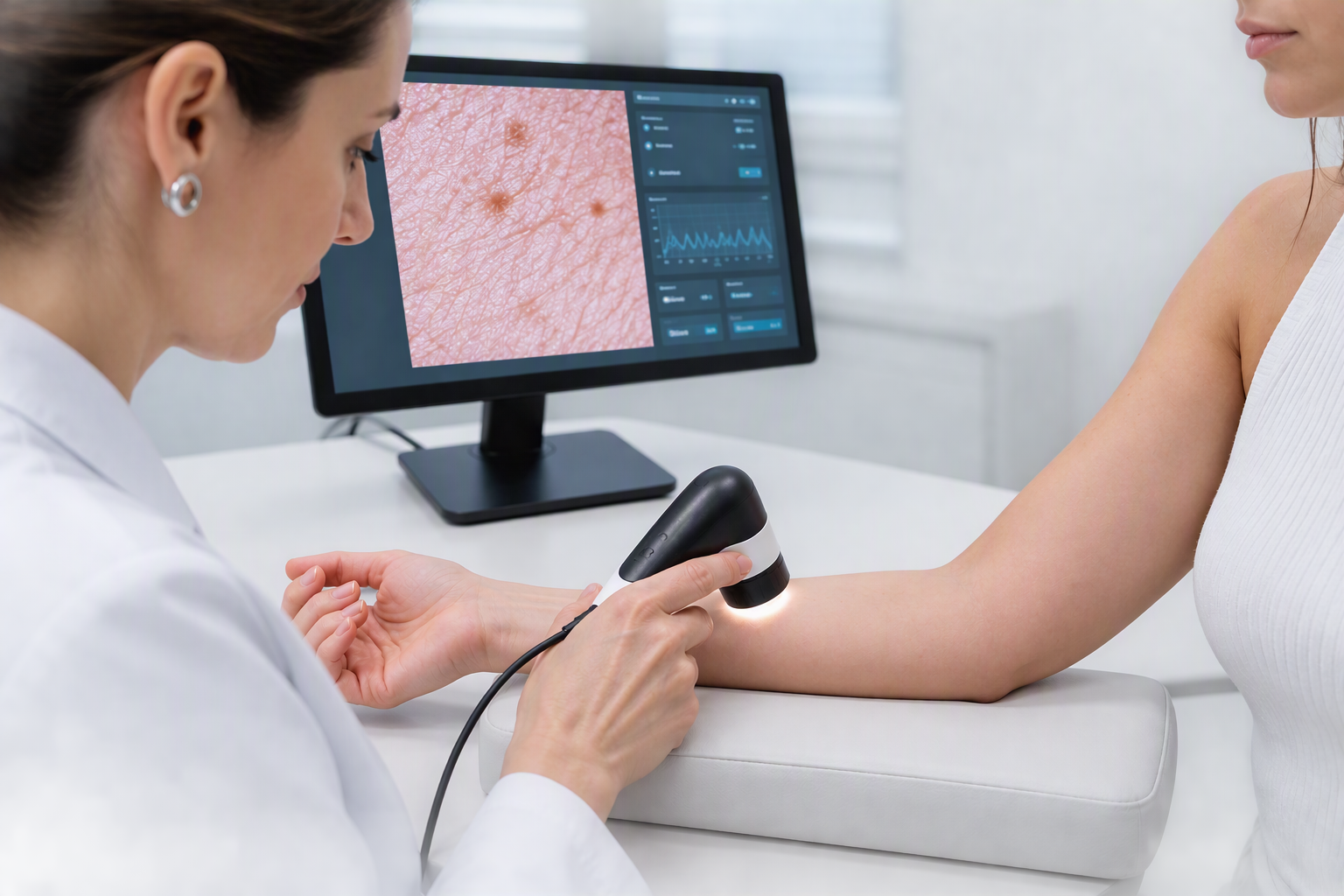
Skin compatibility studies assess the skin’s response to the application of a cosmetic product, analysing potential irritation, sensitisation or discomfort during use.
The choice of test depends on the type of product, its mode of use, the target consumer and the required safety profile. Together, these tests provide scientific evidence to support claims such as “dermatologically tested”, “suitable for sensitive skin” or “non-irritant”.
COSMETIC SAFETY STUDIES
-
Irritation and skin tolerance assessment
-
Dermatological studies on volunteers
-
Support for safety claims
-
Tests tailored to different types of products and users
Skin compatibility
Skin compatibility studies assess the skin’s response to the application of cosmetic products, analysing parameters such as irritation, sensitisation and tolerance during use. At AITEX, we carry out dermatological tests that generate scientific evidence to support claims such as “dermatologically tested”, “suitable for sensitive skin” or “non-irritant”.
Patch Test
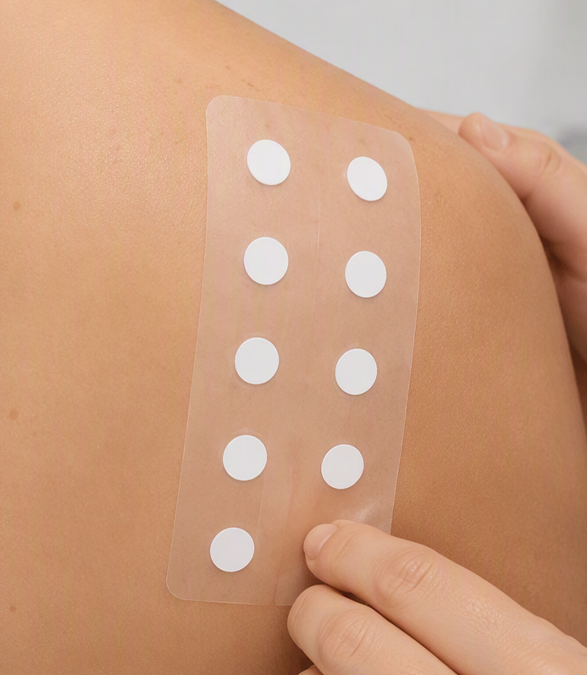
The Patch Test is one of the most widely used tests for assessing the skin tolerance of cosmetic products. It detects potential irritant reactions through the controlled application of the product to the skin under standardised conditions.
This study is a fundamental tool for supporting claims such as “dermatologically tested” and demonstrating the skin compatibility of the formulation.
HRIPT (Human Repeat Insult Patch Test)
The HRIPT (Human Repeat Insult Patch Test) is one of the most comprehensive studies for assessing the dermatological safety profile of a formulation. It makes it possible to analyse the sensitising potential of the product after repeated exposure and to obtain information on its skin compatibility and hypoallergenicity.
Owing to its highly demanding nature, the HRIPT is one of the benchmark studies for supporting safety claims and strengthening the dermatological profile of products intended for frequent or prolonged use.
>> Find out more about the HRIPT (Human Repeat Insult Patch Test)
Strip Patch Test
The Strip Patch Test assesses the behaviour of the product on a skin barrier that has been previously sensitised through controlled disruption of the stratum corneum. It is particularly useful for formulations intended for sensitive skin or for products requiring a more demanding safety assessment. It is also suitable for products intended for sensitive or atopic skin, or formulations requiring a more thorough safety assessment before being placed on the market.
Stinging Test
The Stinging Test assesses subjective sensations such as stinging, itching or burning that may occur after product application, even when there are no visible signs of irritation.
It is particularly relevant for facial products and formulations intended for sensitive skin.
Photopatch Test
The Photopatch Test assesses the potential occurrence of skin reactions associated with simultaneous exposure to the product and ultraviolet radiation. This test is of particular interest for products used on sun-exposed areas or formulations containing potentially photosensitising ingredients.
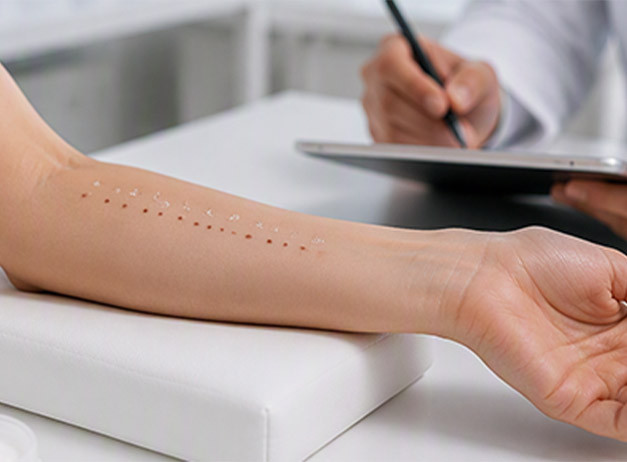
Open Test (ROAT)
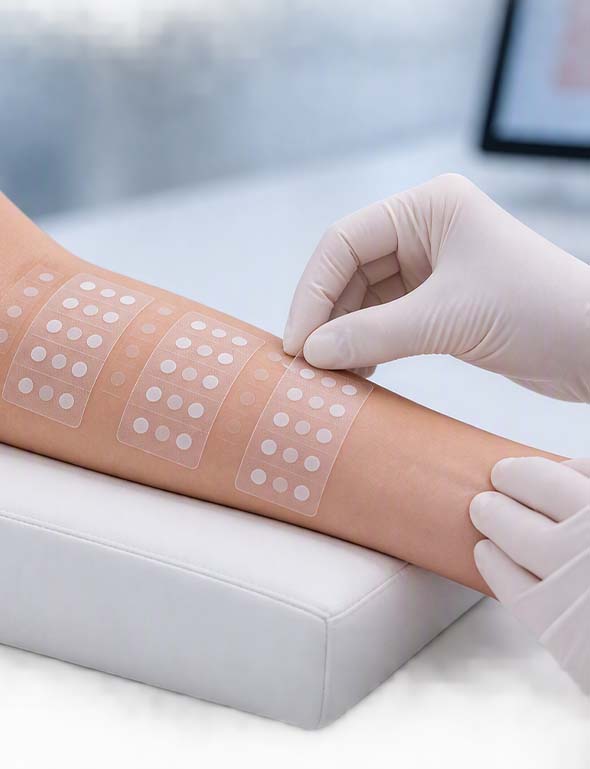
The Open Test or ROAT (Repeated Open Application Test) reproduces real-life conditions of use through repeated applications of the product to the skin over several days, without occlusion and following a protocol similar to normal consumer use. This approach provides a more representative assessment of the user experience, identifying potential cumulative irritation, skin sensitivity or discomfort resulting from continued application of the product.
It is also particularly useful for confirming the skin compatibility of cosmetic formulations intended for frequent or prolonged use. The test provides relevant information on product tolerance under near-real conditions, complementing other dermatological studies and helping to strengthen the safety evidence before market launch.
Specific safety studies and complementary methods
In addition to conventional dermatological studies, there are complementary methodologies that allow a more in-depth safety assessment of cosmetic products at different stages of development.
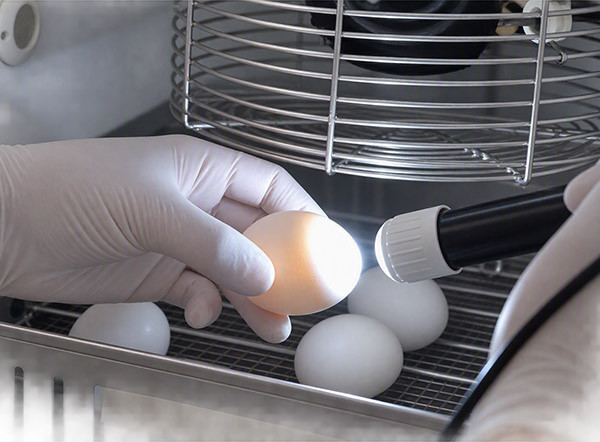
HET-CAM
The HET-CAM test is a widely used in vitro alternative method for assessing the irritant potential of a formulation. It is commonly used as a screening tool in the early stages of development, allowing potential irritant effects to be identified quickly and objectively before moving on to later stages of assessment.
This test is particularly useful for assessing products likely to come into contact with the eyes or particularly sensitive areas, as it analyses the tissue response to the formulation by observing different biological parameters. Thanks to its speed, reproducibility and ethical approach, the HET-CAM method is an effective tool for supporting the development of safer products and optimising decision-making during the formulation process.
TAILORED CLINICAL TESTS UNDER MEDICAL SUPERVISION
Each product has specific characteristics, objectives and claims that require a tailored assessment strategy. At AITEX, we design customised clinical studies that combine real-life product use by volunteers with regular monitoring by healthcare professionals, ensuring a high level of scientific rigour.
Dermatological supervision | Claim: «dermatologically tested»
Regular assessment by dermatologists allows precise clinical monitoring of the skin’s response during product use. This specialist evaluation helps to verify skin tolerance, identify potential reactions and objectively document the effects observed throughout the study.
Ophthalmological supervision | Claim: «ophthalmologically tested»
Particularly suitable for products intended for the eye contour area or likely to come into contact with the eyes.
Paediatric supervision | Claim: «tolerance tested under paediatric supervision»
Designed for products intended for children or particularly delicate formulations.
Gynaecological supervision | Claim: «gynaecologically tested»
Applicable to products intended for intimate hygiene and specific care of the genital area.
Dental supervision
Suitable for oral care products and products that come into contact with the oral mucosa.
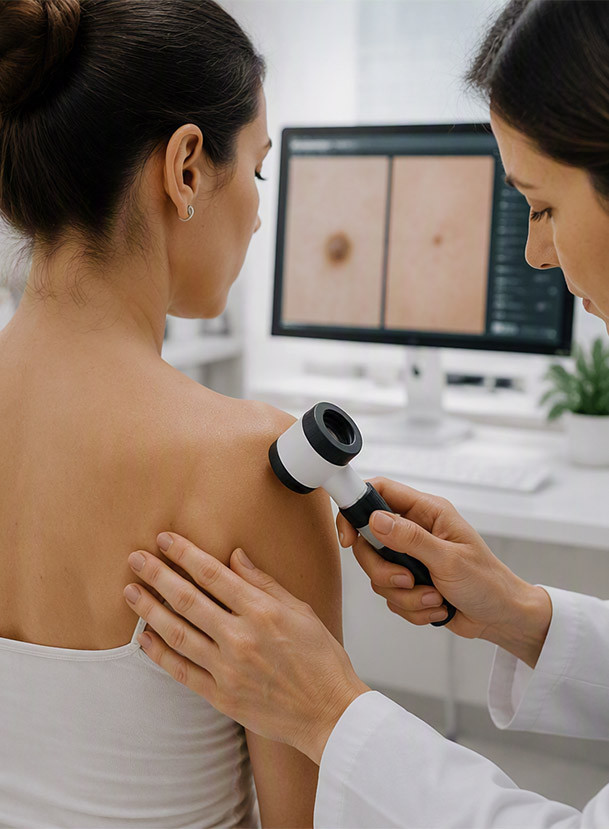
Which cosmetic safety study does my product need?
The choice of the most suitable test depends on the type of product, mode of use, area of application, assessment objectives and the claims to be made. Not all tests are suitable for every formulation, so it is essential to define an assessment strategy aligned with the product profile and its positioning.
At AITEX, we advise cosmetic manufacturers and brands on selecting the most suitable assessment strategy for each formulation, combining different studies where necessary to obtain a complete picture of product safety.
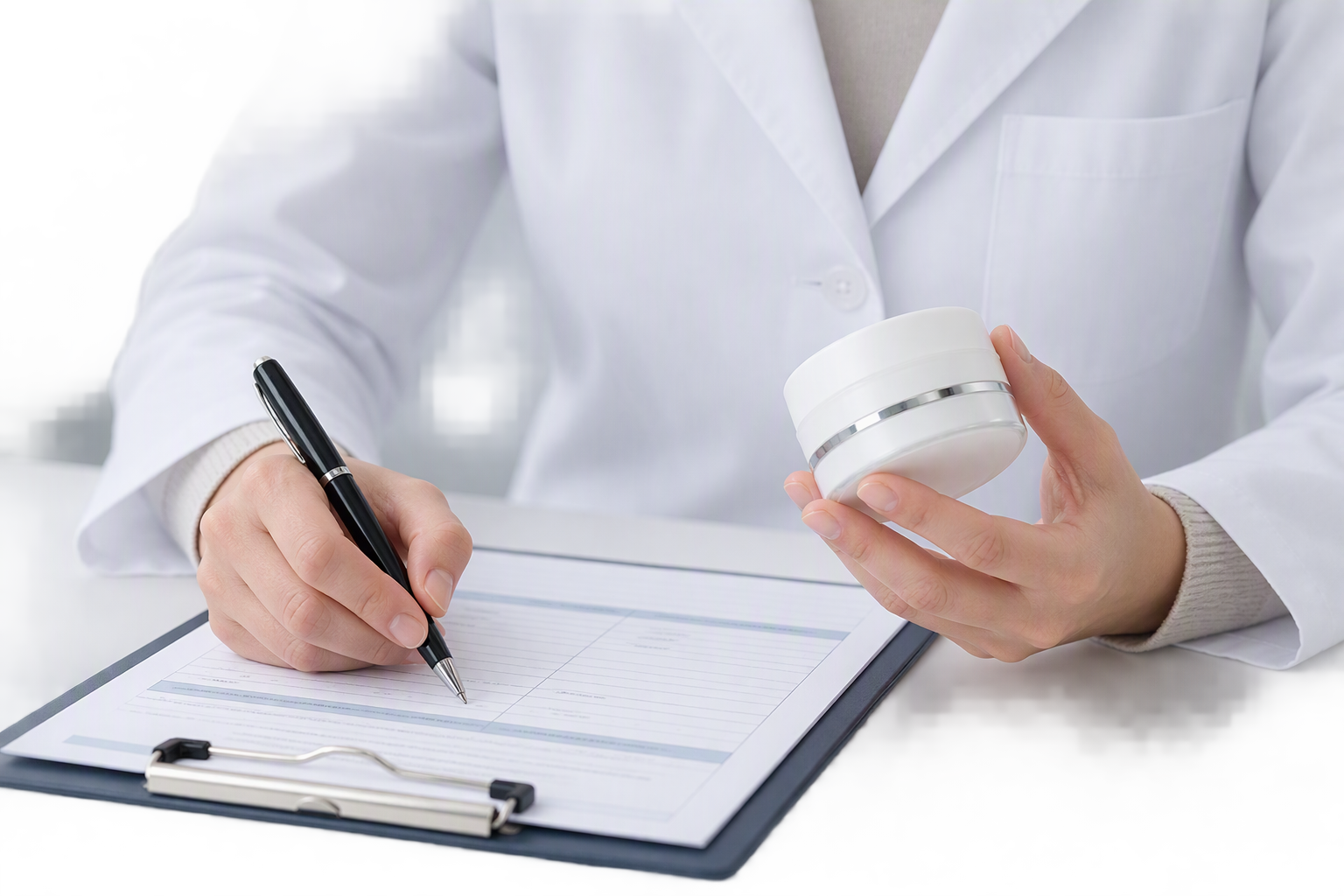
Technologies and methodologies for cosmetic safety assessment
At AITEX, we combine advanced skin analysis, hair assessment and three-dimensional modelling technologies to obtain objective, reproducible and scientifically sound data. These methodologies make it possible to quantify the benefits of a cosmetic product and provide solid evidence for the validation of cosmetic claims.
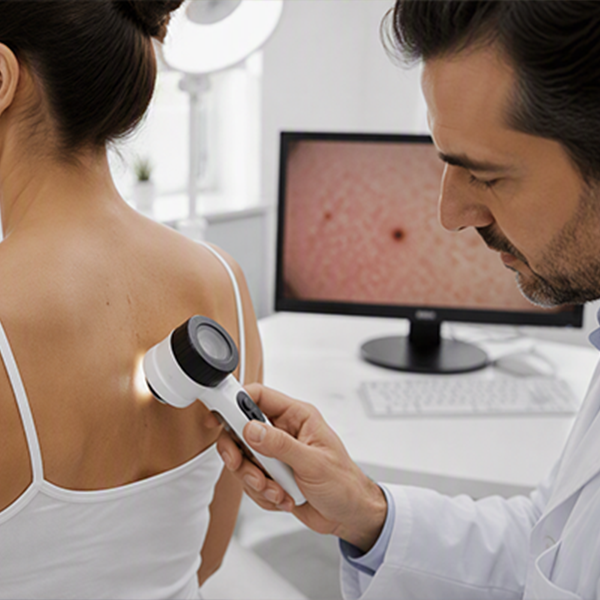
Specialist dermatological assessment
Clinical supervision by specialists to assess the skin tolerance and compatibility of cosmetic products.

Studies on volunteers under controlled conditions
Tests designed to analyse the skin’s response to single or repeated applications in different use scenarios.

Alternative safety assessment methods
In vitro tools used to identify potential risks during the early stages of development.
REQUEST MORE
INFORMATION
If you would like further information, please complete and submit the form and we will get in touch with you