SUSTAINABILITY AND CIRCULAR ECONOMY IN COSMETICS
REQUEST MORE INFORMATION
SUSTAINABILITY AND CIRCULAR ECONOMY IN COSMETICS
REQUEST MORE INFORMATIONSUSTAINABILITY AND CIRCULAR ECONOMY IN COSMETICS
Sustainability has become a strategic factor for the cosmetics industry. Manufacturers and brands are seeking to develop products and packaging with a lower environmental impact, reduce resource consumption and adapt to new regulatory requirements and market expectations.
At AITEX, we help companies assess and improve the sustainability of cosmetic products and packaging through biodegradability and compostability studies, environmental footprint assessments, life cycle assessment (LCA) and circular economy strategies. These studies generate objective evidence to support ecodesign processes, environmental impact reduction and the development of more sustainable solutions.
WHY ASSESS THE SUSTAINABILITY OF COSMETIC PRODUCTS AND PACKAGING?
Regulatory pressure, growing environmental awareness and demand from better-informed consumers are driving the transition towards more sustainable models in the cosmetics industry.
Sustainability assessment makes it possible to understand the environmental impact of products and packaging, identify opportunities for improvement and support innovation strategies aligned with circular economy principles.

WHAT SUSTAINABILITY STUDIES DOES AITEX CARRY OUT FOR THE COSMETICS INDUSTRY?
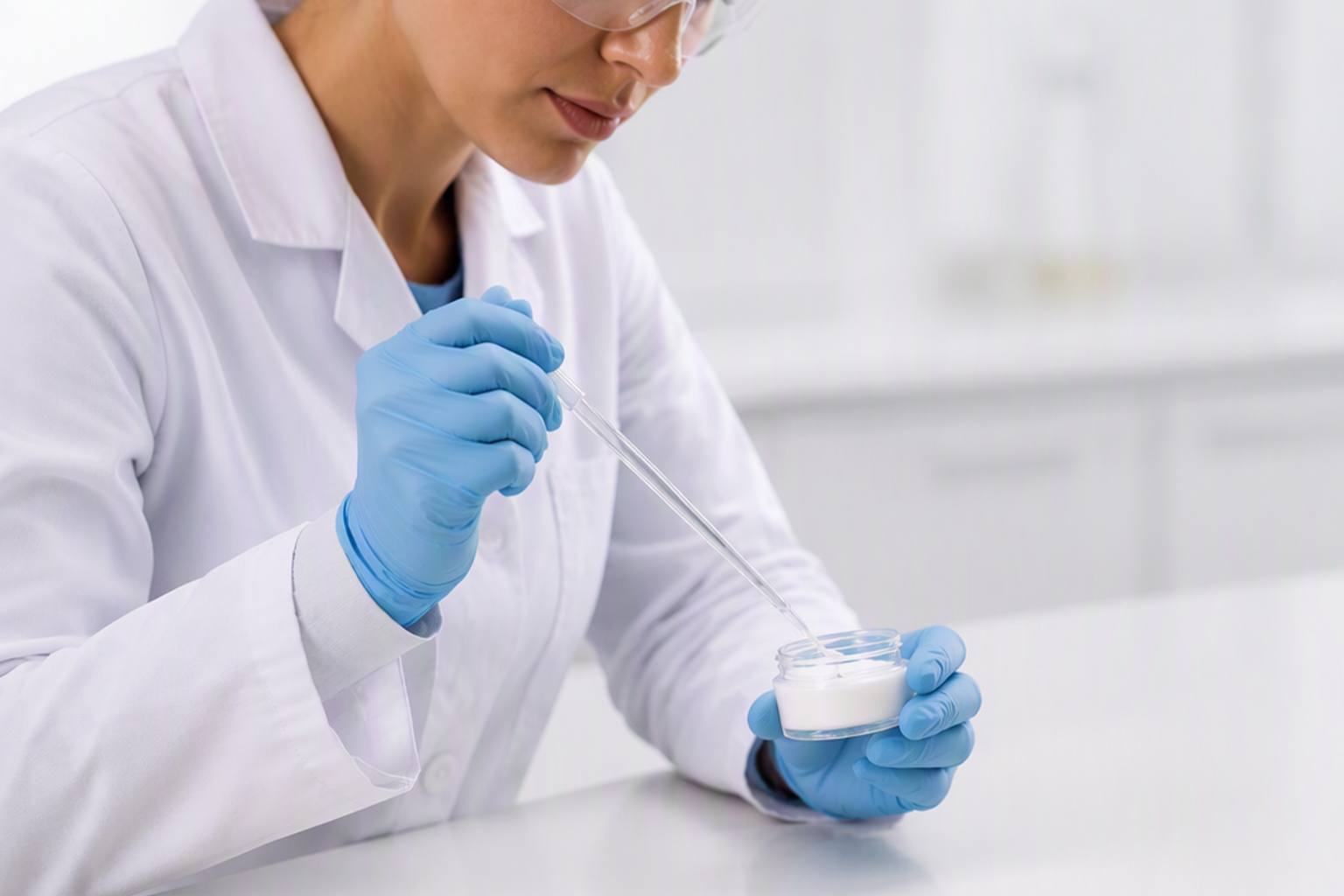
AITEX supports cosmetics manufacturers and brands throughout every stage of their sustainability projects, from the selection of ingredients and materials to the final validation of the product and its packaging.
The studies combine laboratory testing and environmental assessment methodologies to generate objective, verifiable data. This enables companies to make ecodesign decisions, substantiate their sustainability claims and respond reliably to regulatory and market requirements.
What sustainability studies does AITEX carry out
for the cosmetics industry?

Biodegradability
Biodegradability testing of ingredients, formulations and packaging

Compostability
Compostability testing of ingredients, formulations and packaging

Environmental footprint
Carbon and water footprint calculation

Life cycle assessment
Life Cycle Assessment (LCA)

Ecodesign
Ecodesign and circular economy consultancy
SUSTAINABILITY AND CIRCULAR ECONOMY IN COSMETICS
-
Environmental assessment of cosmetic products and packaging
-
Support for ecodesign and circular economy strategies
-
Carbon and water footprint measurement
-
Validation of sustainable materials and packaging
Environmental assessment of cosmetic products and packaging
BIODEGRADABILITY IN COSMETICS *products, ingredients and packaging*
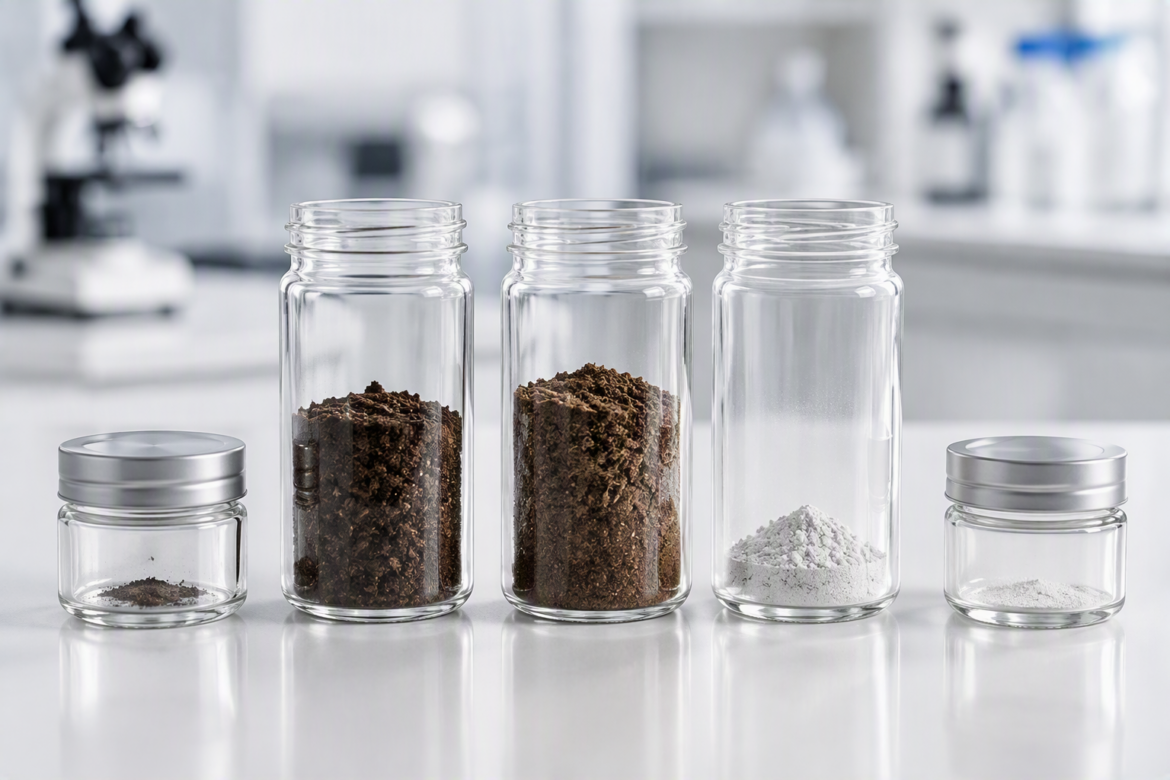
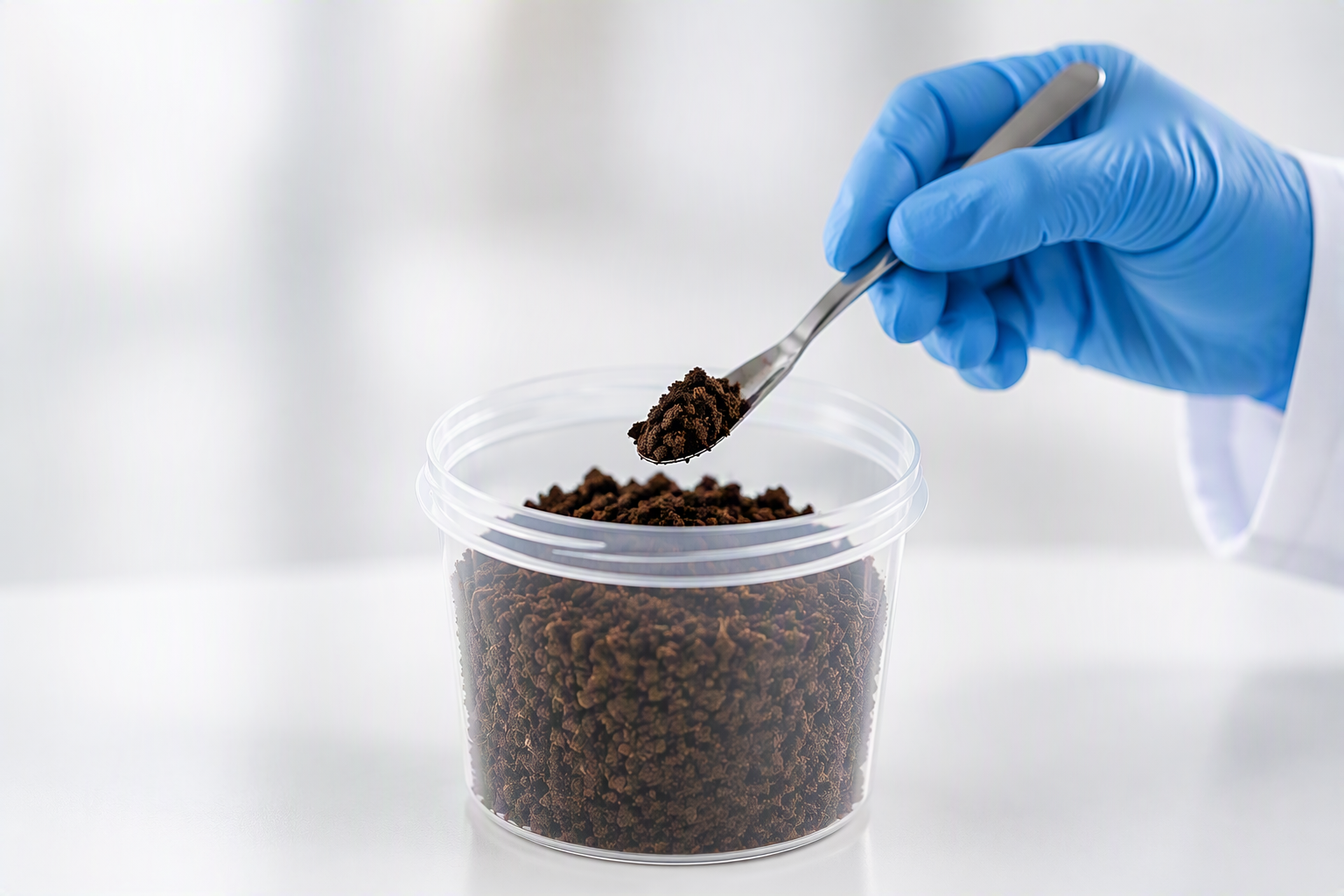
Biodegradability makes it possible to assess the ability of ingredients, formulations, cosmetic products and packaging to break down through the action of microorganisms under specific conditions. These studies help determine the environmental behaviour of a product after use and provide relevant information for sustainability and circular economy strategies.
AITEX has its own biodegradability certificate, which verifies and demonstrates the behaviour of products, ingredients and packaging according to defined technical criteria. These studies help companies develop products with a lower environmental impact and generate objective evidence of their behaviour in relation to biological degradation.
>> Find out more about the AITEX Biodegradability Certificate
COMPOSTABILITY IN COSMETICS *products, ingredients and packaging*
Compostability studies determine whether products, ingredients or packaging can break down under composting conditions, transforming into natural compounds without causing adverse effects on the environment.
AITEX has its own compostability certificate aimed at validating solutions developed according to circular economy and sustainable waste management criteria. These studies facilitate the development of solutions aligned with sustainability and circular economy principles.

Which items can be certified under the AITEX Biodegradability and Compostability Certificate?

Cosmetic formulations

Ingredients

Raw materials

Packaging

Packaging components

Refill systems
ENVIRONMENTAL FOOTPRINT OF COSMETIC PRODUCTS
Carbon footprint
The carbon footprint quantifies the greenhouse gas emissions associated with a product, service or process throughout its life cycle.
Calculating it makes it possible to identify hotspots and define emission reduction strategies aligned with the organisation’s sustainability objectives.
Water footprint
The water footprint assesses the water consumption associated with a product throughout all stages of its life cycle.
This analysis helps identify opportunities for improvement in production processes, raw materials and supply chains, supporting more efficient management of water resources.
LIFE CYCLE ASSESSMENT (LCA)
Life Cycle Assessment (LCA) is a methodology used to assess the environmental impact of a product from raw material sourcing through to its end of life.
This tool provides an overall view of the impacts associated with the product, facilitating comparison between alternatives, the identification of opportunities for improvement and decision-making based on objective sustainability criteria.
LCA has become one of the most widely used tools for developing sustainable products and implementing ecodesign strategies in the cosmetics industry.

Biodegradability and compostability assessment
Tests designed to analyse the behaviour of materials and packaging at the end of their useful life, verifying their capacity for degradation and recovery within circular economy models.
Environmental footprint calculation
Methodologies designed to quantify the impact associated with resource consumption, emissions and raw material use.
Life cycle assessment
Comprehensive assessment of the environmental impacts associated with all stages of a product, from raw material extraction through to its end of life.
Ecodesign and circular economy
Methodologies designed to optimise products and packaging to reduce their environmental impact and promote reuse, recyclability and material recovery.
REQUEST MORE
INFORMATION
If you would like further information, please complete and submit the form and we will get in touch with you