COSMETIC PHOTOPATCH TEST
REQUEST MORE INFORMATION
COSMETIC PHOTOPATCH TEST
REQUEST MORE INFORMATION
Assessment of the response
to UV radiation

Comparison between exposed
and control areas

Customised studies
Specific microorganisms
WHAT IS A PHOTOPATCH TEST?
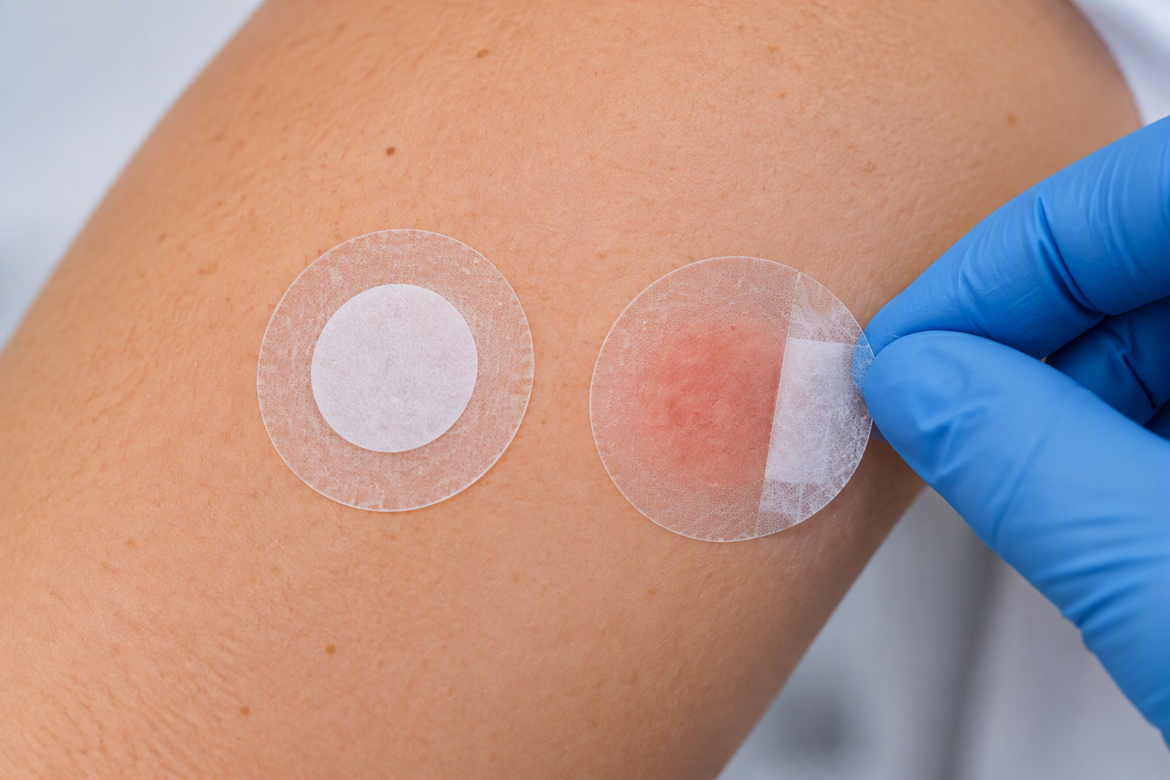
The Photopatch Test makes it possible to assess the photoirritant or photoallergenic potential of a product, i.e. its ability to induce a skin reaction in the presence of ultraviolet radiation.
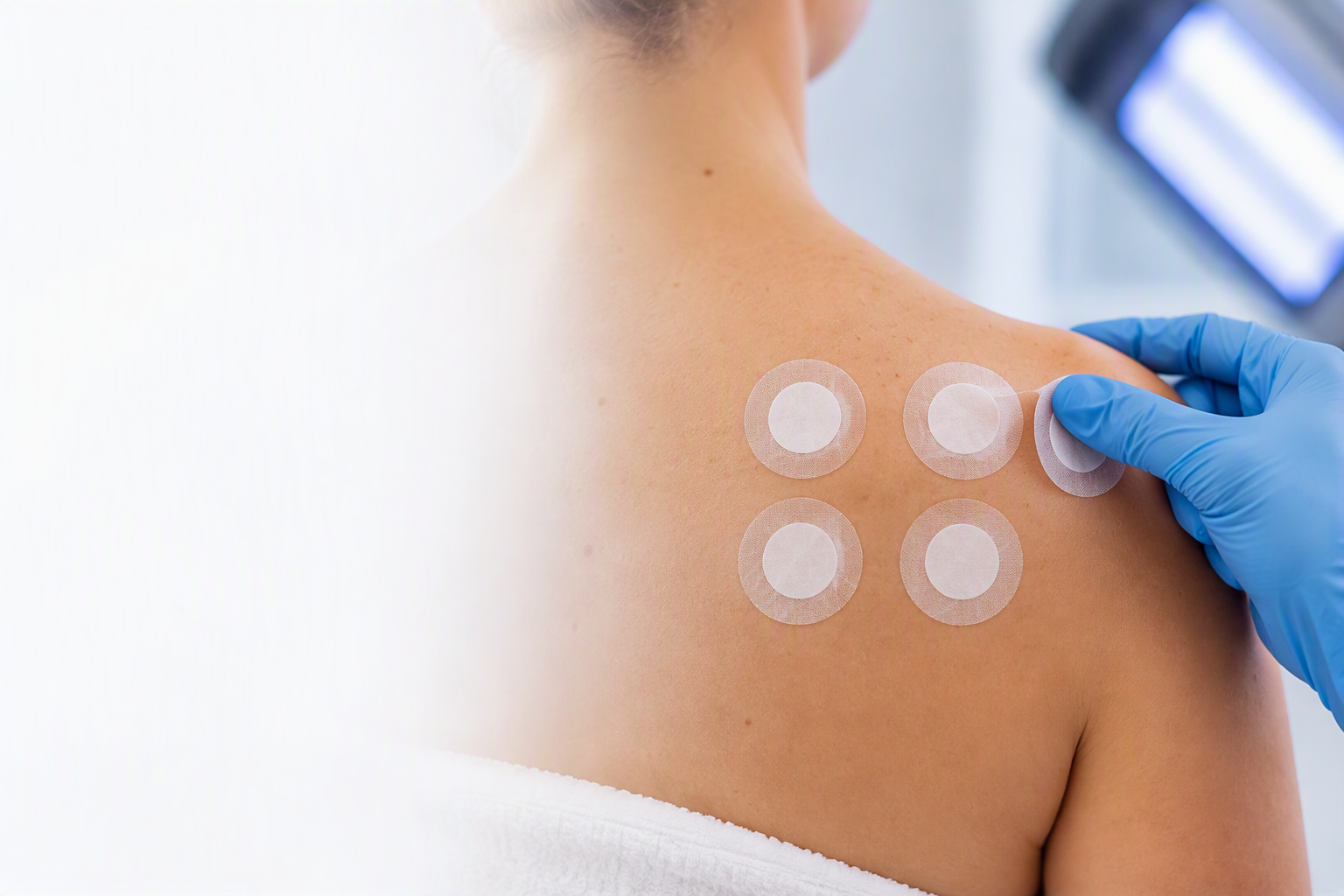
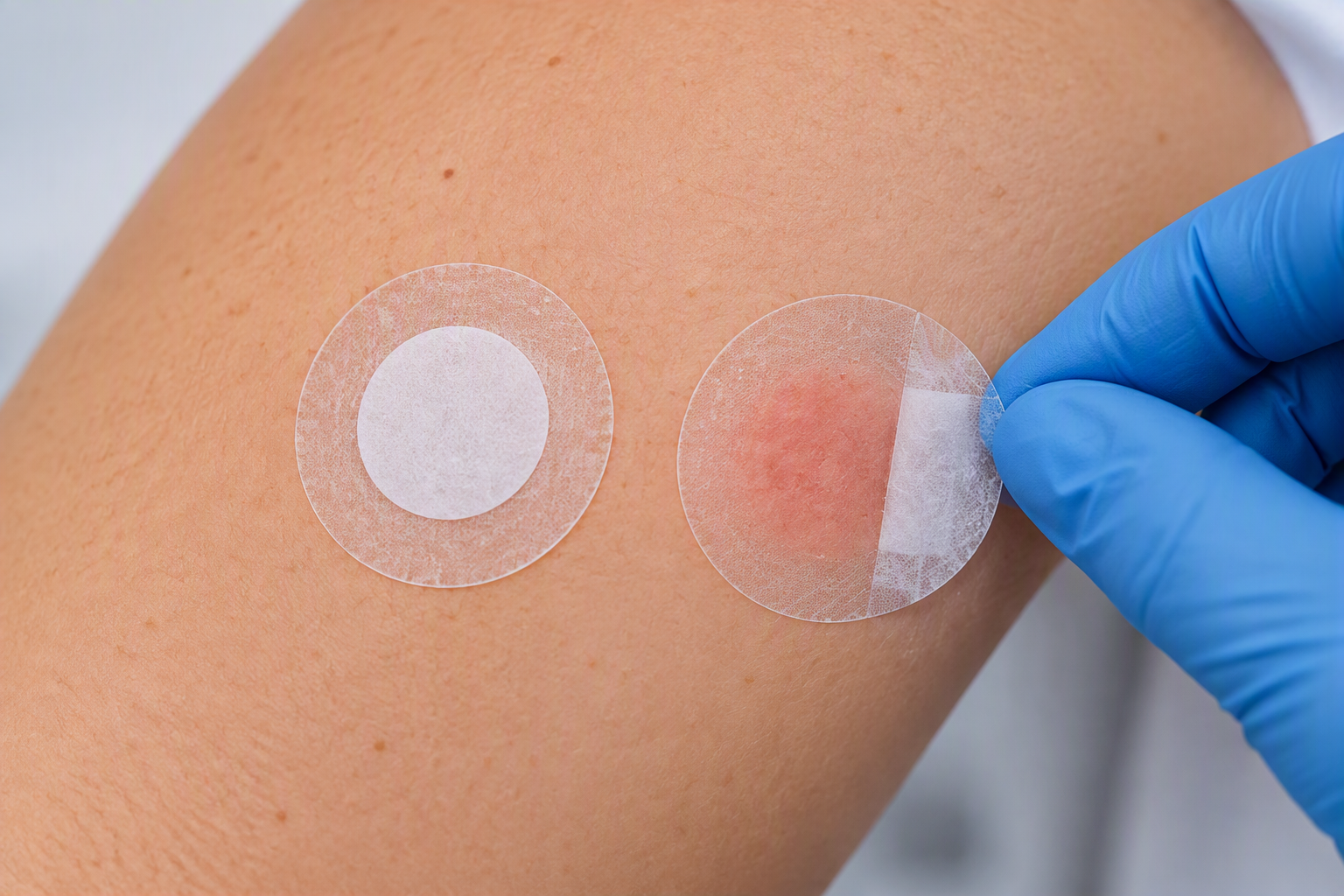
The procedure involves applying the product to two areas of the skin under controlled conditions. After the patches are removed, one area is exposed to a defined dose of ultraviolet radiation, while the other is kept as an unexposed control. Comparing the responses in both areas makes it possible to determine whether the reaction is associated with the interaction between the product and light.
This test is particularly relevant for products intended for use on sun-exposed areas or containing potentially photosensitising ingredients, providing essential information as part of the product safety assessment.
WHY CARRY OUT A PHOTOPATCH TEST?

Enhanced safety assessment
Assesses the product response under conditions of exposure to ultraviolet radiation.
Photoirritation
Makes it possible to identify reactions associated with the interaction between the product and light.

Photoallergy
Provides information on the photoallergenic potential of the formulation.

Sensitive ingredients
Particularly useful for products containing potentially photosensitising ingredients.

Confidence
Strengthens the dermatological profile of the product for uses involving sun exposure.
WHICH PRODUCTS CAN BE ASSESSED?
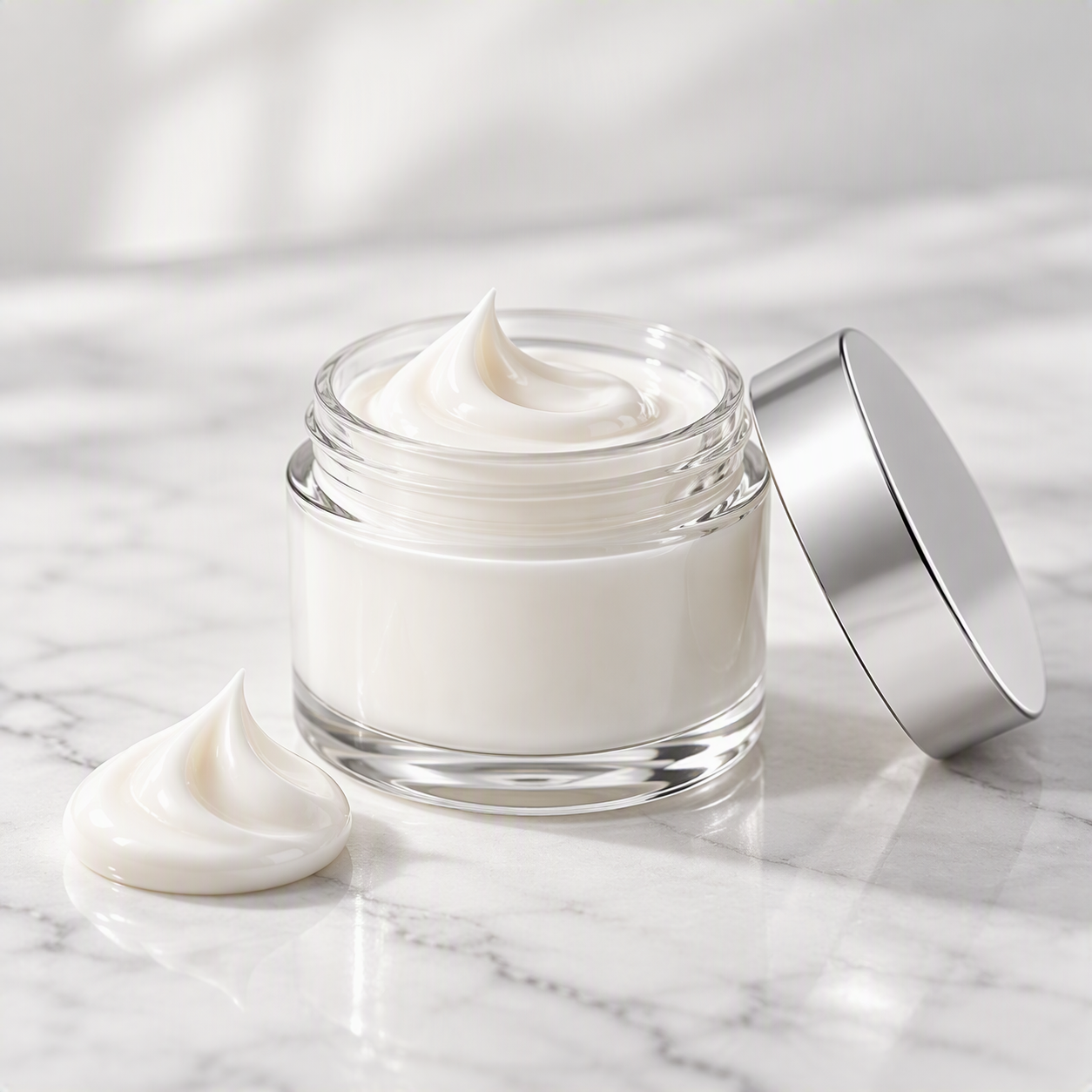
Facial and body emulsions
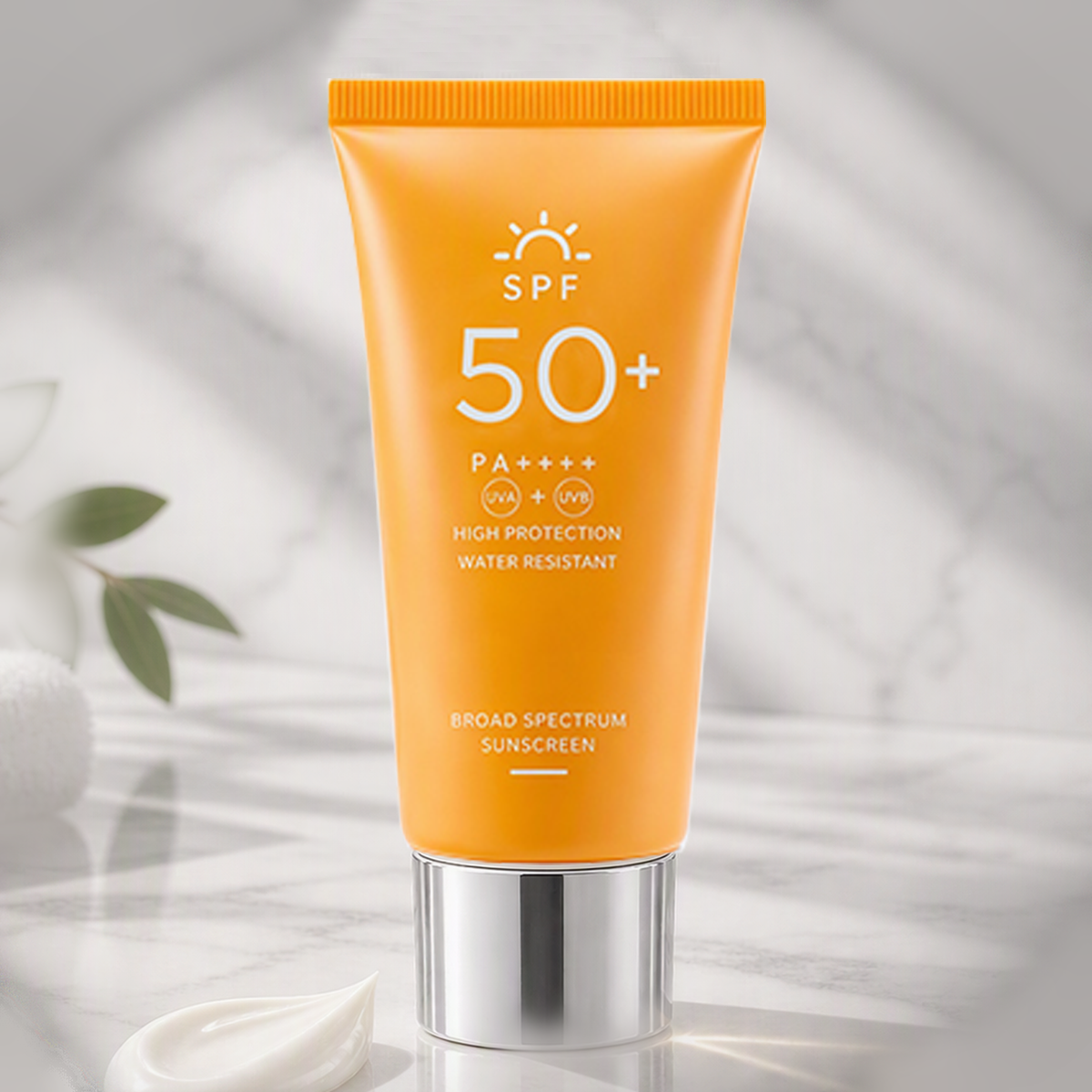
Sun care products
Cosmetics with highly active ingredients
Perfumes and fragranced products
Anti-ageing cosmetics
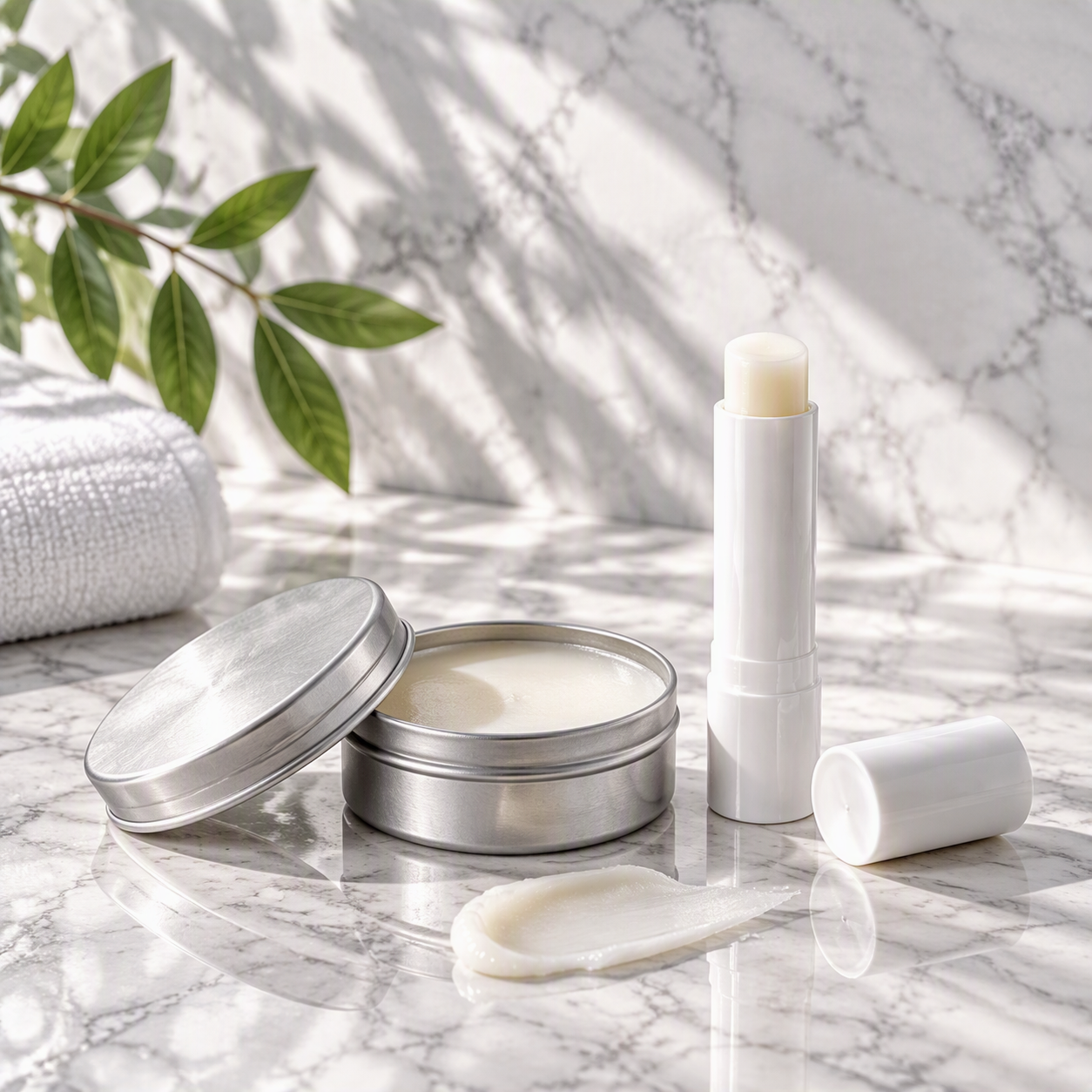
Daily-use products for exposed areas
HOW IS THE TEST CARRIED OUT?

Protocol definition
The study design is established according to the product characteristics, its intended use and the assessment objectives.

Application to two areas
The product is applied to two areas of the skin under controlled conditions.
Controlled exposure
After the patches are removed, one of the areas is exposed to a defined dose of ultraviolet radiation.

Control area
The second area remains unexposed and serves as the reference for comparison.

Assessment and technical report
The responses in both areas are compared, any possible association with light is assessed, and a report containing the conclusions is issued.
Why choose AITEX for your Photopatch Test studies?
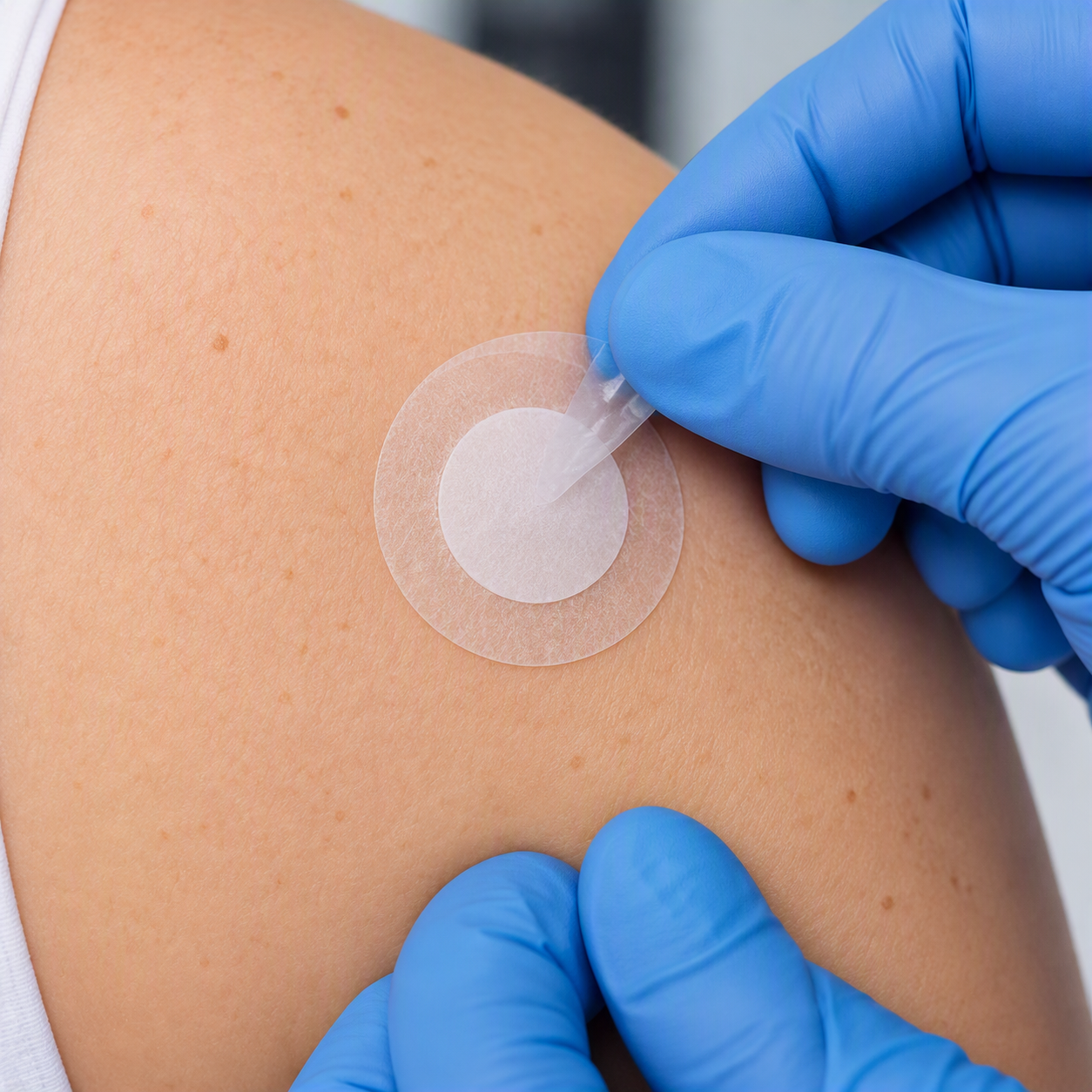
DERMATOLOGICAL ASSESSMENT UNDER CONTROLLED CONDITIONS
The Photopatch Test requires precise control of product application, the radiation dose used and the reading of results. At AITEX, a research and innovation center with more than 40 years of experience, the test is carried out under controlled conditions and specialised supervision, ensuring the reliability of the assessment at every stage.
The comparative design between the exposed area and the control area makes it possible to determine clearly whether the observed skin response is associated with the interaction between the product and ultraviolet radiation, providing a solid and traceable technical basis to support formulation safety. This rigorous methodological approach makes the Photopatch Test a key tool for manufacturers and brands that need robust evidence to substantiate the behaviour of their products under sun exposure.
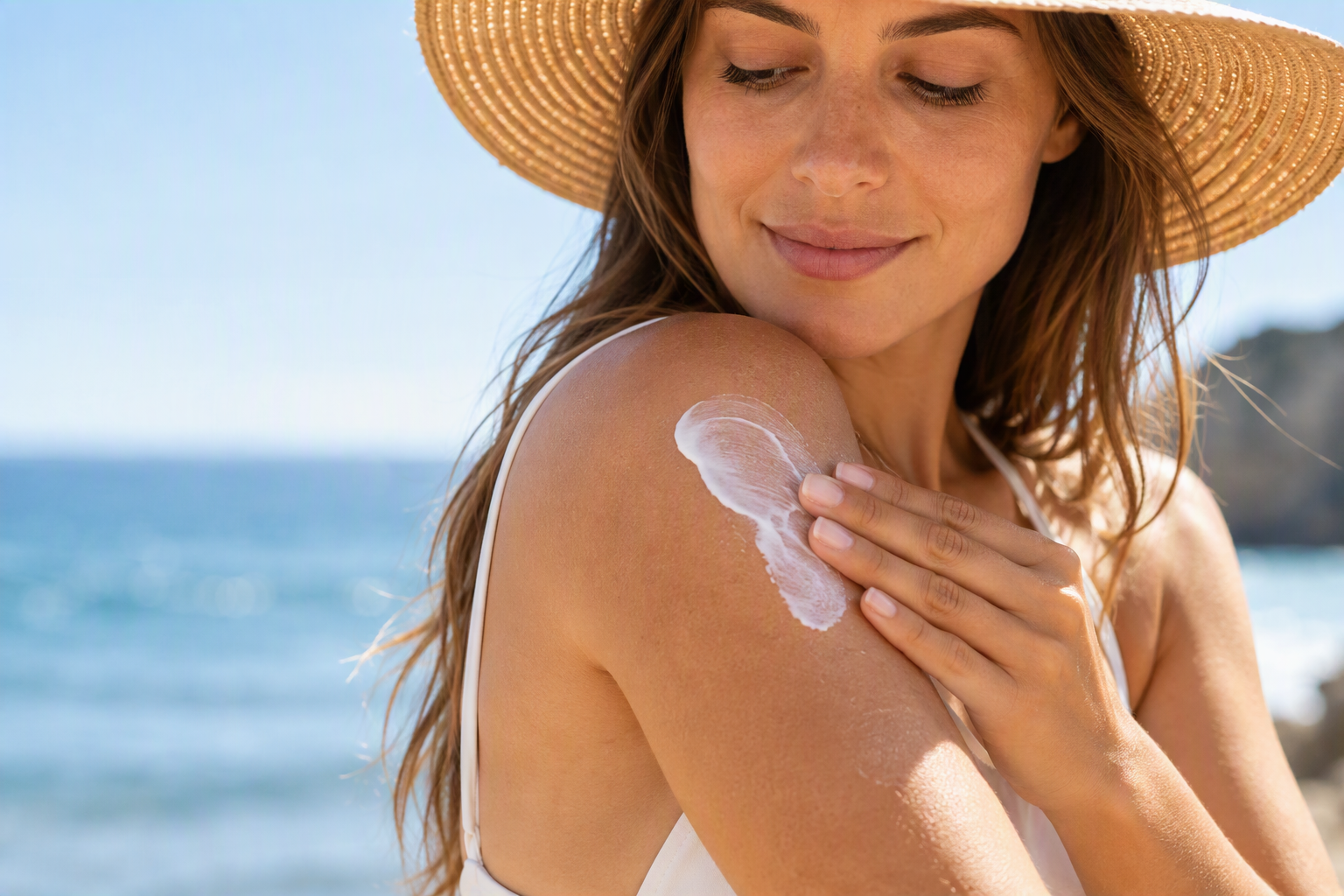
PARTICULARLY SUITABLE FOR PRODUCTS USED DURING SUN EXPOSURE
Formulations intended for exposed areas, sun care products and cosmetics containing potentially photosensitising ingredients require specific evidence of their behaviour when exposed to ultraviolet radiation, particularly in an increasingly demanding consumer-use context.
The Photopatch Test provides this information and complements the product safety assessment, helping to anticipate potential issues before marketing, reduce the risk of complaints and strengthen consumer and distributor confidence in the product when used during sun exposure. This type of evidence is particularly relevant for growing product categories such as sun care, anti-ageing cosmetics and perfumes, where exposure to light is a normal part of the conditions of use.

EXPERIENCE AND COMPREHENSIVE SERVICE FOR THE COSMETICS INDUSTRY
AITEX supports cosmetic manufacturers and brands throughout the product safety assessment process, from protocol design to the issue of the final technical report, with a team specialised in dermatological testing and cosmetic safety.
The Photopatch Test can be combined with other skin tolerance studies, sun protection tests, preservative efficacy testing and microbiological control, providing a comprehensive view of product behaviour in different use scenarios. This integrated approach makes it possible to plan studies in stages, optimise time and resources, and establish a comprehensive strategy tailored to each formulation, target market and regulatory requirement.
FAQS ABOUT THE PHOTOPATCH TEST
What is a Photopatch Test?
It is a dermatological test that assesses the photoirritant or photoallergenic potential of a cosmetic product, i.e. its ability to induce a skin reaction in the presence of ultraviolet radiation.
What is the difference between a Photopatch Test and a Patch Test?
The Patch Test assesses skin tolerance without exposure to light. The Photopatch Test incorporates controlled exposure to ultraviolet radiation to assess whether the response is associated with interaction with light.
Why are two areas used?
One area is exposed to radiation and the other is kept as a control. Comparing the two makes it possible to determine whether the reaction is related to light exposure.
What is the difference between photoirritation and photoallergy?
Photoirritation is an irritant response triggered in the presence of radiation, whereas photoallergy involves a sensitisation mechanism associated with light.
For which products is it particularly recommended?
For products used on sun-exposed areas and formulations containing potentially photosensitising ingredients.
Is it applicable to sun care products?
Yes. It is particularly relevant for products intended for use during sun exposure.
Can it support the product’s dermatological profile?
Yes. The results provide technical support as part of the cosmetic safety assessment.
Can it be combined with other safety tests?
Yes. It can be integrated into a staged strategy alongside other skin tolerance and compatibility studies.
REQUEST MORE
INFORMATION
If you would like further information, please complete and submit the form and we will get in touch with you