COSMETIC OPEN TEST / ROAT
REQUEST MORE INFORMATION
COSMETIC OPEN TEST / ROAT
REQUEST MORE INFORMATION
Dermatological assessment

Real-life conditions of use

Support for cosmetic claims
WHAT IS AN OPEN TEST / ROAT?
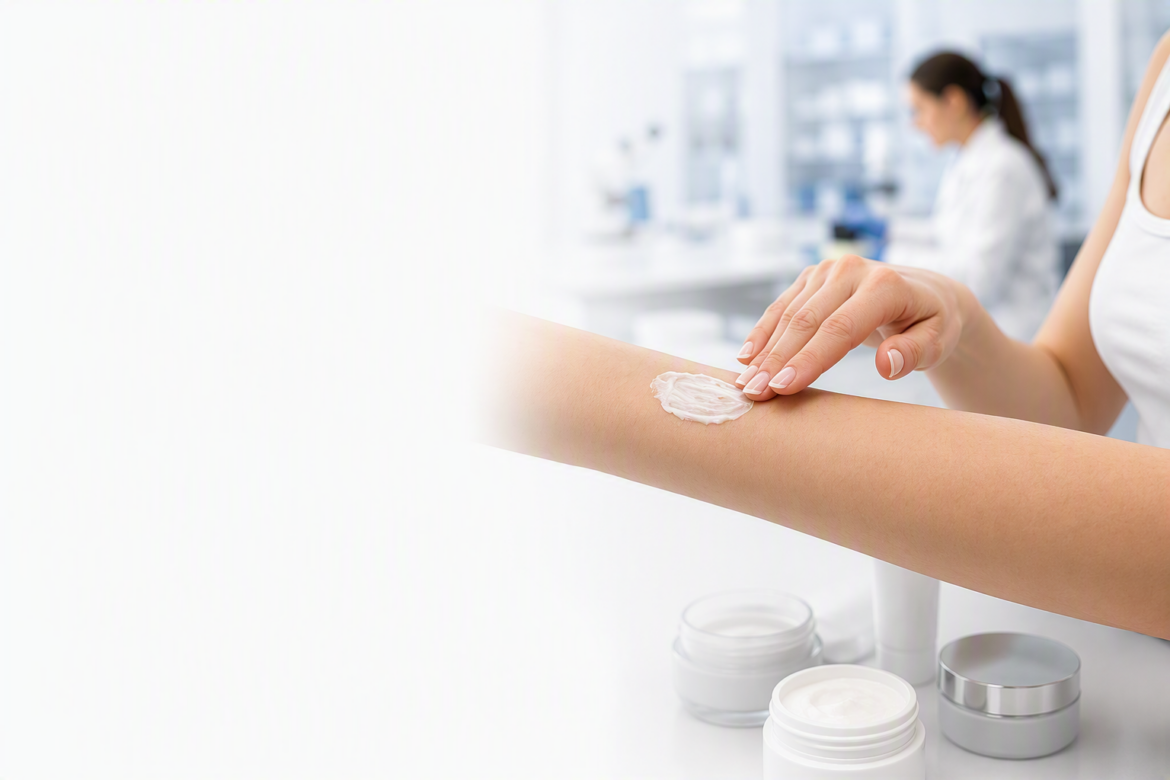
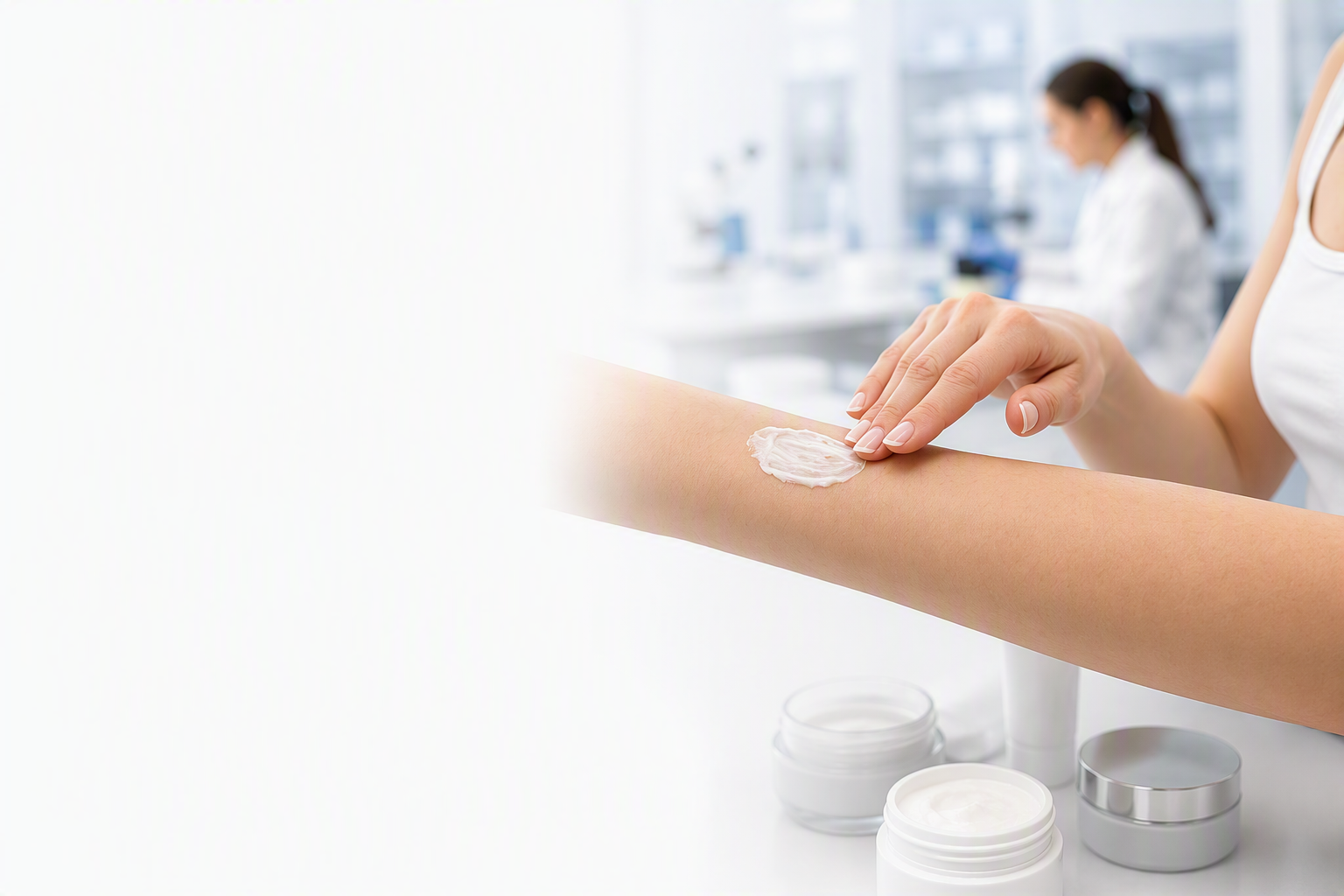
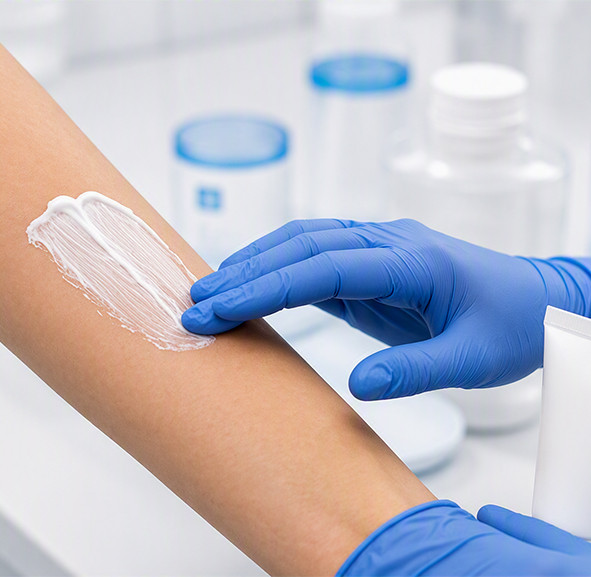
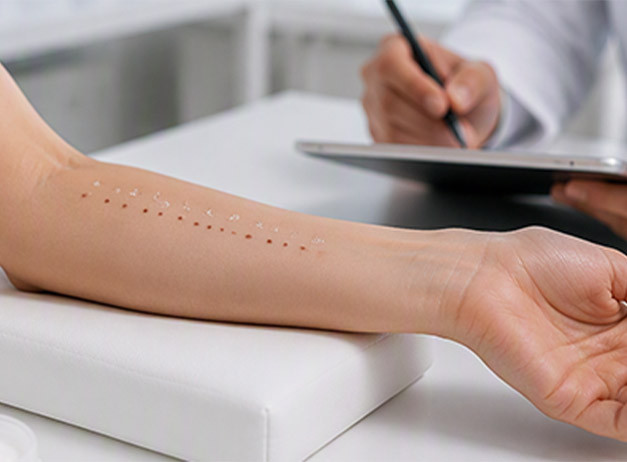
The Open Test, also known as ROAT (Repeated Open Application Test), is a dermatological test involving repeated application of the product to a defined area of skin, usually the forearm or the retroauricular area, without the use of occlusive systems. This procedure makes it possible to assess the product’s behaviour under conditions close to everyday use.
Unlike occlusive tests, in which exposure is maximised using adhesive patches, the Open Test reproduces the usual method of application. The product is applied repeatedly over several days, with 7-day protocols being common, although these may be extended to 14 or 21 days depending on the objectives of the study and the characteristics of the cosmetic product.
During the study, dermatological monitoring is carried out to identify possible signs of irritation, skin incompatibility or cumulative irritation. This methodology is particularly relevant for frequently used products, formulations intended for sensitive skin and rinse-off cosmetics. The Open Test / ROAT provides a representative assessment of the product’s skin compatibility and makes it possible to obtain technical evidence under realistic conditions of use.
WHY CARRY OUT AN OPEN TEST?

Real-life conditions of use
Reproduces the way the product is normally applied by the consumer.

Skin tolerance
Assesses the compatibility of the cosmetic product with the skin through repeated applications.

Cumulative irritation
Helps identify mild or cumulative responses that may occur after repeated use.

Dermatological claims
Provides technical support for claims such as «dermatologically tested».

Confidence
Reinforces the perceived safety of the product among consumers and distributors.
WHAT PRODUCTS CAN BE ASSESSED?
The Open Test / ROAT can be applied to different categories of cosmetic products, particularly when it is important to reproduce their usual conditions of use. It is especially suitable for products used daily or frequently, formulations intended for sensitive skin, rinse-off cosmetics and initial skin compatibility studies.
Rinse-off masks
Soaps
Facial cleansers
Shampoos
Intimate hygiene products
Bath and shower gels
Rinse-off conditioners
Exfoliants
HOW IS THE TEST CARRIED OUT?

Protocol definition
The most appropriate study duration, application area, amount of product and frequency of use are established.

Repeated product application
The cosmetic product is applied directly to the skin, without occlusion, reproducing normal conditions of use.

Follow-up period
Application is continued for several consecutive days, normally between 7 and 21 days depending on the protocol.

Dermatological assessment
The appearance of signs of irritation, incompatibility or cumulative responses is monitored.

Issuance of the technical report
The results obtained are documented and the study conclusions are prepared.
Why choose AITEX for your Open Test studies?
RIGOROUS AND SPECIALISED DERMATOLOGICAL ASSESSMENT
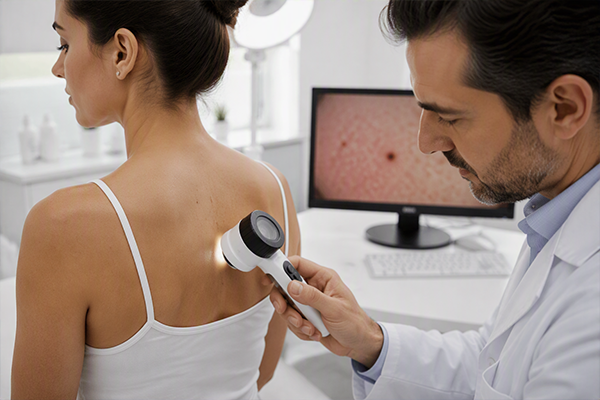
AITEX dermatological studies are carried out under the supervision of specialist professionals, ensuring an objective and technically sound of the tolerance skin of the product. This approach allows identification of possible reactions adverse and confirm the compatibility of the product with the skin under conditions controlled.
Each protocol is designed on a bespoke basis, taking into account the specific characteristics of the product, its formulation, the application area, the intended frequency of use and the user profile. This individualised planning allows obtaining results more accurate and aligned with the objectives of development, validation or marketing of the product. In addition, the monitoring continuous during the study ensures the correct collection and interpretation of the data obtained.
RESULTS REPRESENTATIVE OF REAL-LIFE USE
The open, repeated application methodology closely reproduces the normal conditions in which consumers will use the product. This makes it possible to assess not only its skin tolerance, but also its behaviour after successive and prolonged exposures, providing valuable information for manufacturers and brands.
This approach provides data that are more representative and applicable to real-life use, making it possible to assess the product’s compatibility with different skin types and detect potential issues that could arise during everyday use. The results help support safety claims and build confidence among both clients and end consumers.

EXPERIENCE AND COMPREHENSIVE SERVICE FOR THE COSMETICS INDUSTRY
AITEX has extensive experience in assessing the safety and dermatological tolerance of multiple categories of cosmetic products, from facial and body care products to specific formulations for sensitive skin or frequent use.
In addition to dermatological studies, AITEX offers a comprehensive service that complements these tests with safety, efficacy, packaging-product compatibility and microbiological control testing. This global approach enables companies to centralise the necessary assessments with a single technical partner, optimising time, resources and validation processes for bringing products to market.
FAQs ABOUT THE OPEN TEST
What is an Open Test or ROAT?
It is a dermatological test based on repeated applications of the product to the skin, without occlusion and under conditions similar to normal use.
What is the difference between an Open Test and a Patch Test?
The Patch Test uses occlusive patches to intensify exposure. The Open Test applies the product directly to the skin and reproduces more realistic conditions of use.
How long does an Open Test last?
The usual duration is 7 days, although the protocol may be extended to 14 or 21 days depending on the product and the objectives of the study.
What products are usually assessed using an Open Test?
It is particularly used for rinse-off products, frequently used cosmetics, formulations with irritant potential and products intended for sensitive skin.
Can it support dermatological claims?
Yes. The results can provide technical support for claims relating to skin tolerance, such as «dermatologically tested».
What is assessed during the study?
The appearance of skin signs and possible cumulative irritation or mild responses following repeated applications is monitored.
When can it be used as an initial study?
It can be used in the initial stages of skin compatibility assessment before progressing to more demanding occlusive tests.
REQUEST MORE
INFORMATION
If you would like further information, please complete and submit the form and we will get in touch with you