
HET-CAM TEST
REQUEST MORE INFORMATION
HET-CAM
TEST
REQUEST MORE INFORMATION

Alternative
in vitro method

Focused on
eye irritation

Early-stage
screening
WHAT IS HET-CAM?
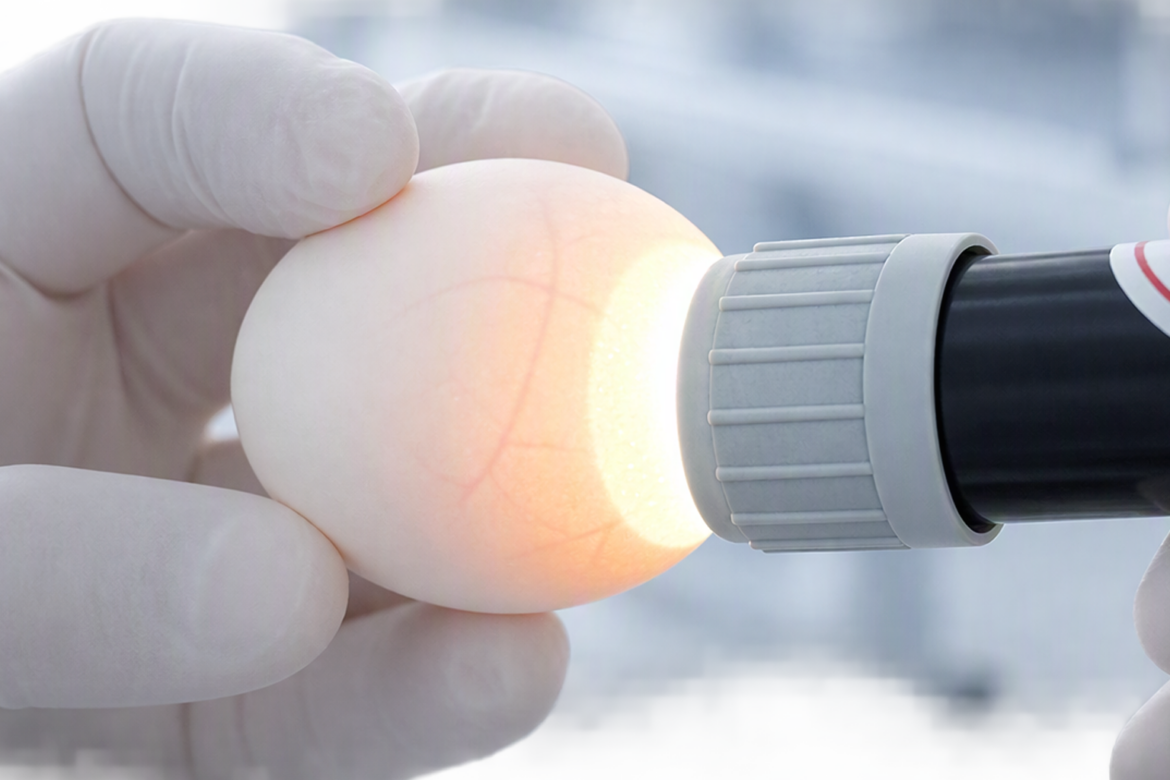
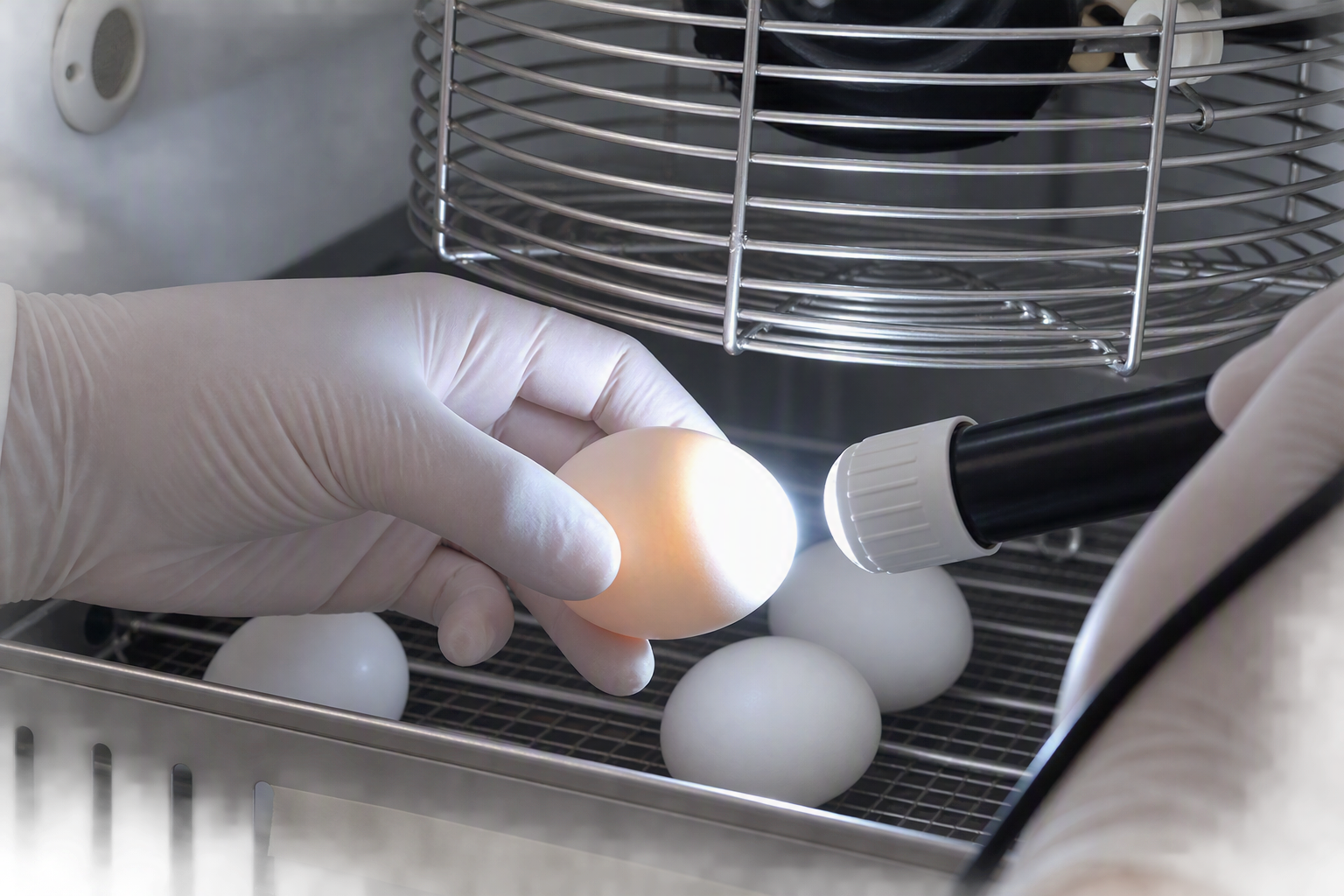
HET-CAM is an alternative method for assessing the irritation potential of a product using an in vitro model. It is based on the chorioallantoic membrane of fertilised hen’s eggs, a highly vascularised structure that responds rapidly to exposure to different substances. After the product is applied, any effects are observed, allowing the degree of irritation to be determined using standardised scores.
The test is used particularly to assess eye irritation, providing an estimate of how the product would behave in the event of contact with the eyes. It is especially relevant for products that, although not specifically intended for the eye area, may reach it during use, such as shampoos, shower gels, facial cleansers or sprays.
HET-CAM is an effective screening tool in the early stages of development, as it makes it possible to identify irritation potential and guide product safety before moving on to studies in humans, all within an ethical approach and without the use of vertebrate animal models.
WHY CARRY OUT A HET-CAM TEST?

Eye safety
Estimates the irritation potential of the product in the event of accidental contact with the eyes.

Rapid screening
Delivers results within very short timeframes during formulation development.
Alternative method
Avoids the use of vertebrate animal models within an ethical approach.

Confidence
Provides technical information that reinforces the safety of the final product.
HOW IS THE TEST CARRIED OUT?

Protocol definition
Test conditions are established according to the product type, format and mode of use.

Sample preparation
The sample is conditioned in accordance with the procedure established for its application to the in vitro model.

Product application
The product is applied to the chorioallantoic membrane following the established protocol.
Observation of effects
Any reactions, such as haemorrhage, coagulation or vascular lysis, are recorded at the defined time points.

Technical report
The corresponding irritation score is calculated and the study results and conclusions are documented.
Why choose AITEX for your HET-CAM testing?
INSIGHT INTO IRRITATION POTENTIAL
HET-CAM provides a rapid estimate of the eye irritation potential of a formulation, making it useful for guiding product development from the earliest stages. The test observes the reaction of the chorioallantoic membrane after the product is applied and provides useful information for detecting potential irritant effects before moving further along the process.
At AITEX, we integrate it into a tiered safety assessment strategy. It helps prioritise formulations, compare prototypes and make better use of time and resources before final validation. In this way, formulation decisions are based on objective data from the outset.
RAPID RESULTS TO GUIDE DEVELOPMENT
Results are delivered quickly, which is particularly useful during formulation and prototype comparison, when decisions on which alternatives to take forward need to be made swiftly.
This enables companies to identify formulations with high irritation potential early on and adjust the composition, ingredient concentrations or preservative system before moving on to more complex studies. This reduces risk, avoids reformulation at advanced stages and shortens the path to a safer, more competitive product.

COMPREHENSIVE SERVICE FOR THE COSMETICS INDUSTRY
HET-CAM can be combined with other tests, such as skin tolerance testing, efficacy studies and microbiological control, to obtain a complete picture of product safety and performance.
AITEX supports cosmetic manufacturers and brands throughout the product life cycle, from formulation development to final validation and market launch. A single point of contact to coordinate testing, interpret results and support every technical decision.
HET-CAM FAQS
What is HET-CAM?
It is an alternative in vitro method for assessing the irritation potential of a product using the chorioallantoic membrane of fertilised hen’s eggs.
What is it mainly used for?
It is used particularly to estimate eye irritation, that is, how the product would behave in the event of contact with the eyes.
What effects are observed during the test?
Possible reactions such as haemorrhage, coagulation or vascular lysis are recorded, allowing the degree of irritation to be determined using standardised scores.
Which products are usually assessed using HET-CAM?
Mainly products that may reach the eyes during use, such as shampoos, shower gels, facial cleansers, make-up removers or sprays.
Is it an animal-free method?
The test does not use vertebrate animal models and is therefore considered an alternative method aligned with an ethical approach.
At what stage of development is it recommended?
It is particularly useful as a screening tool in the early stages, before moving on to studies with human volunteers.
Can it be combined with other safety tests?
Yes. It can be integrated alongside skin tolerance tests and other studies within an overall product safety assessment strategy.
REQUEST MORE
INFORMATION
If you would like further information, please complete and submit the form and we will get in touch with you