In an increasingly demanding market in terms of sustainability, safety and transparency, textile certifications have become a fundamental tool for both companies and consumers.
OEKO-TEX® labels make it possible to identify products that comply with strict quality, safety and social responsibility criteria, enabling informed decision-making aligned with the sector’s evolving standards.
AITEX, a research and innovation centre with more than 40 years of experience, works to drive this transformation by supporting companies in the development of safer, more sustainable and more competitive products.
What is OEKO-TEX®?
OEKO-TEX® is an independent international certification system that assesses textile and leather products across all stages of the value chain.
Its objective is to ensure that products are safe for human health and environmentally responsible, through rigorous testing, audits and regularly updated criteria. These certifications provide confidence to both businesses and consumers, reinforcing transparency within the global market.
AITEX is the only accredited centre in Spain authorised to grant the leading OEKO-TEX® certifications worldwide: Standard 100, Leather Standard, MADE IN GREEN, Organic Cotton, STeP and ECO PASSPORT.

Main OEKO-TEX® Labels
OEKO-TEX® STANDARD 100: Consumer Safety
This is the most widely recognised and established certification. It guarantees that a textile product has been tested for harmful substances.
What does it ensure?
- Testing of all product components (fabrics, threads, buttons, etc.)
- Evaluation against more than 1,000 potentially harmful substances
- Stricter criteria depending on end use (particularly for infant products)
- Application of internationally harmonised testing methods
It is the key certification for communicating safety and trust in the final product.
===
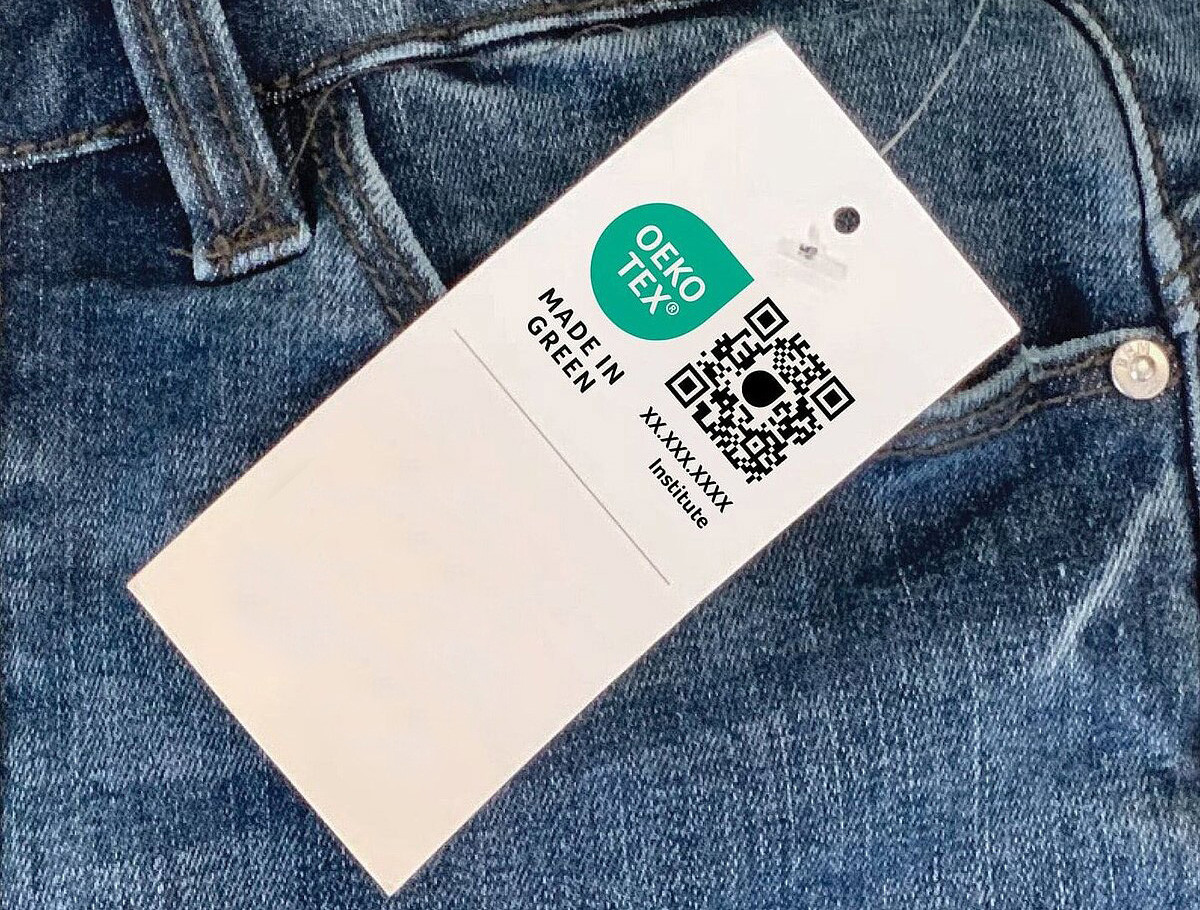
OEKO-TEX® MADE IN GREEN: Sustainability and Traceability
This label integrates environmental, social and safety aspects.
Key advantages:
- Products free from harmful substances
- Manufacturing in certified and audited facilities
- Compliance with social responsibility criteria and safe working conditions
- Full traceability via QR code or unique identifier
It enables a clear communication of commitment to sustainability, transparency and social impact.
===
OEKO-TEX® ORGANIC COTTON: Sustainable Origin
This certification verifies the use of organic cotton throughout the entire production chain.
What does it include?
- Control from raw material through to the final product
- Absence of genetically modified organisms (GMOs)
- Testing for pesticides and harmful substances
It is ideal for communicating the value of origin and responsible production.

Why Are OEKO-TEX® Labels Important?
Las certificaciones OEKO-TEX® no son solo un distintivo, sino una herramienta estratégica para el sector textil:
-
Health Protection
They ensure that products do not contain hazardous substances that may affect consumers.
-
romotion of Sustainability
They encourage more environmentally and socially responsible production processes.
-
Transparency in the Supply Chain
They facilitate access to information on product origin and manufacturing.
-
Competitive Advantage for Companies
They strengthen consumer trust and improve brand positioning in increasingly demanding markets.

OEKO-TEX® labels have become an international benchmark in the textile industry, providing real guarantees of safety, sustainability and transparency.
For companies, they represent an opportunity to differentiate and build trust. For consumers, they are a key tool for selecting responsible products. AITEX continues to drive this transition towards a safer, more transparent and more sustainable textile sector.