
Circular economy and sustainability
NEW APPLICATIONS IN TEXTILE FINISHING FROM PROXIMITY WASTE AND SUSTAINABLE BIOPROCESSES FOR THE TEXTILE INDUSTRY
BIONATEX
Motivation
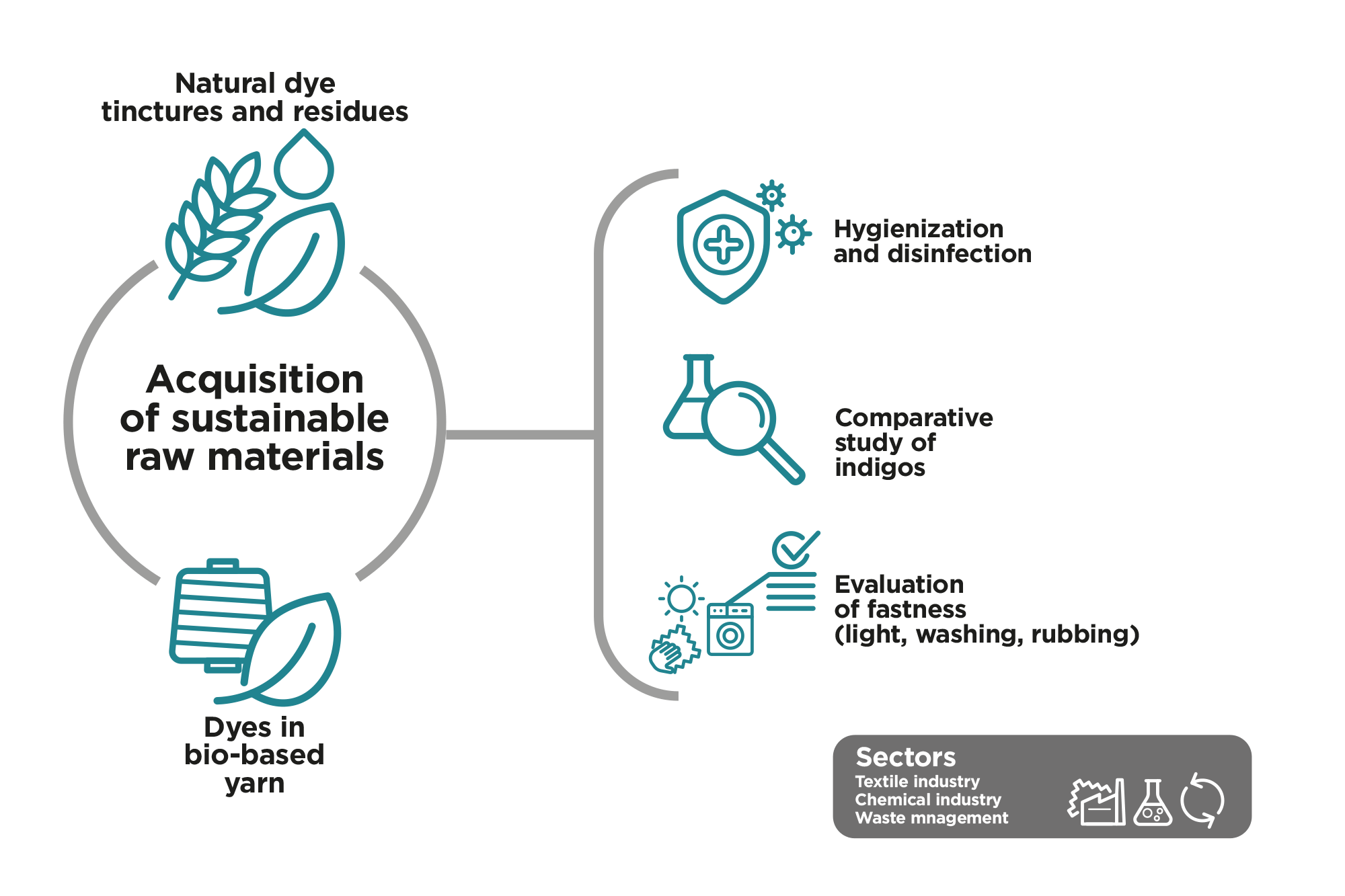
In our previous project APRONATEX 2 we developed some extractions at a semi-industrial level to obtain natural dyes. In BIONATEX we will address the use of local waste to extract colour and use them in dyeing at a semi-industrial level, thus favouring the circular economy of a specific geographical area and of several different industrial sectors.
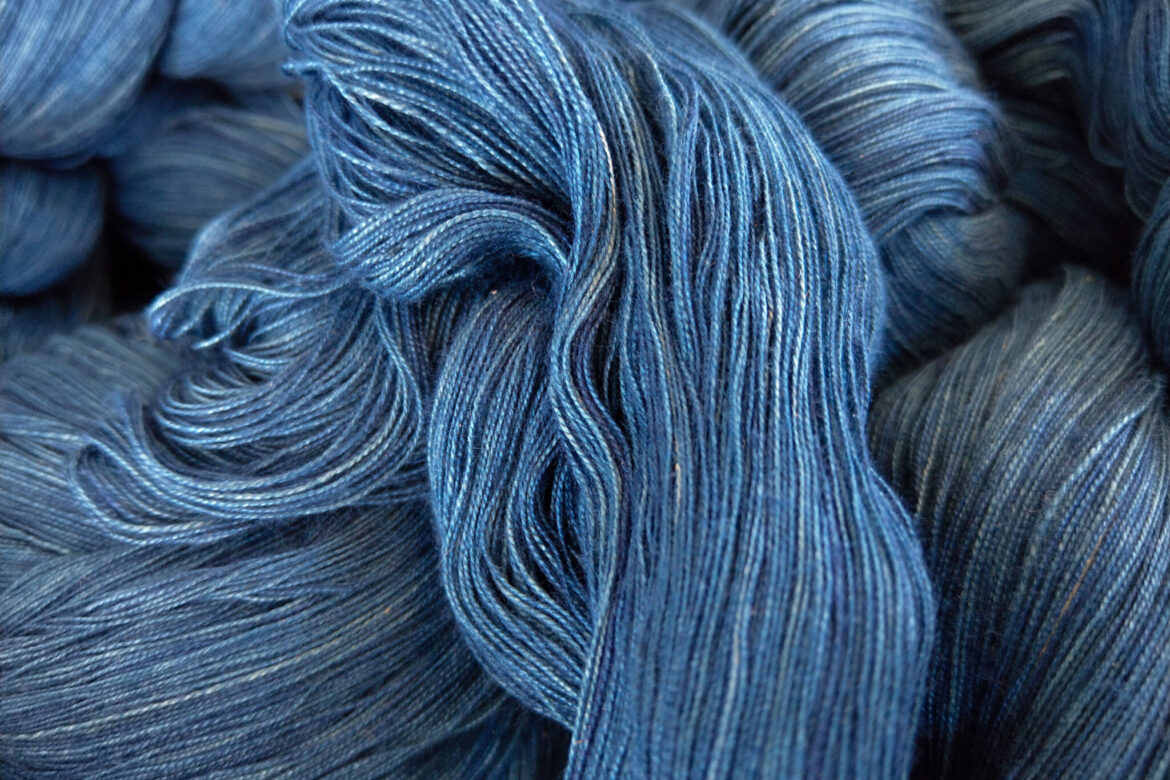
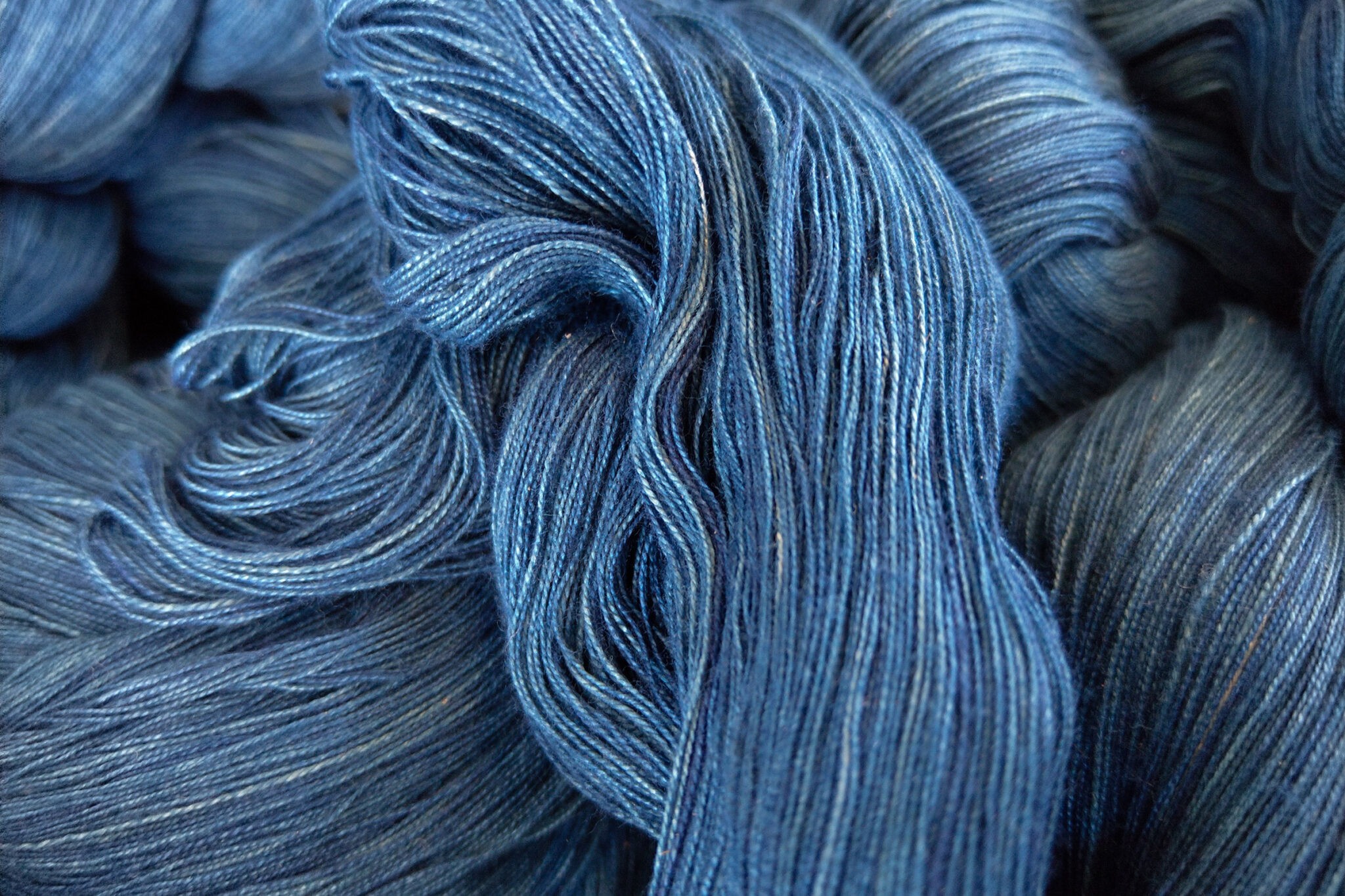
With regard to sustainable indigo dyes from natural sources, such as microbial indigo, having fine-tuned the synthesis process, we are going to delve more deeply into the dyeing process and characterise the results of its dyes compared to those using other sources of indigotine (synthetic or obtained from plants) and carry out a comparative study of these three indigo dyes.
Objectives
The aim is to make extractions, dyes and finishes from local waste and natural materials, the development of sustainable dyes, bio-based/recycled yarn dyes and the enzymatic biorecycling of textile waste.
Value and competitive advantage

-
Integration of proximity waste and sustainable bioprocesses into high value-added textile finishing applications.
-
Viable alternatives to conventional dyes and processes, reducing the environmental impact of the textile sector.
-
Transferable results to the textile industry with industrial scaling potential and alignment with European regulations.
Obtained results

-
Comparative characterization of vegetable, synthetic, and microbiological indigo dyeing, assessing performance and fastness properties.
-
Production of microbiological indigo in a bioreactor.
-
Development of a recombinant strain producing carminic acid with potential for further optimization.
-
Development of textile dyeing and finishing processes using proximity waste such as avocado, tomato, and persimmon.
-
Formulation of biobased printing pastes with natural colorants and evaluation of their technical performance.
-
Validation of sustainable textile hygienization processes through ozonation and steaming.
-
Assessment of the feasibility of enzymatic biorecycling of textile waste, achieving up to 70% conversion in cellulosic fibers.
Grant number: IMAMCA/2025/6
Programme: Plan of non-economic activities 2025
Period of execution: January 2025 – December 2025
Status: Finished
More information: PLAN OF ACTION
Entity: IVACE

Project supported by the Ministry of Innovation, Industry, Commerce and Tourism of the Generalitat Valenciana, through IVACE.

CONTACT US
Do you want to contact us? Click on the button and write to us.
R&D AREAS

New high-performance functionalised materials

Circular economy and sustainability

Advanced manufacturing, smart textiles and digitalisation

High value-added solutions for strategic markets
RELATED PROJECTS


NEWS

AITEX is present at the Babykid FIMI fair at Feria Valencia from January 26 to 28, presenting tests and certifications for children’s products.

AITEX has attended the Cosmetorium fair in Barcelona once again on October to present its new products for the cosmetic sector.
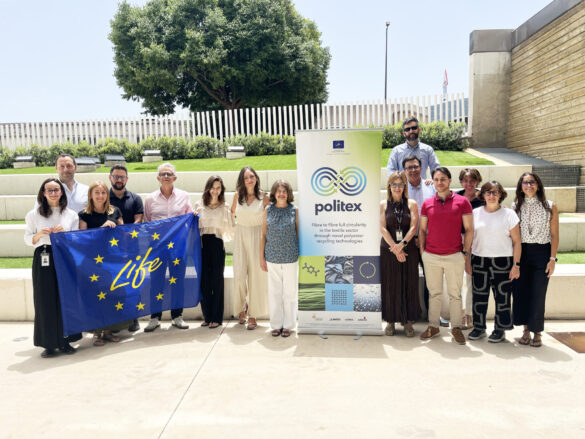
AITEX has hosted the LIFE POLITEX workshop entitled “Closing the textile polyester cycle: challenges and opportunities”, based on promoting sustainable solutions for the management and recycling of textile materials.