SUN PROTECTION TESTING FOR COSMETIC PRODUCTS
REQUEST MORE INFORMATION
SUN PROTECTION TESTING FOR
COSMETIC PRODUCTS
REQUEST MORE INFORMATION

SPF and UVA

In vitro and in vivo methods

International ISO standards
WHAT ARE SUN PROTECTION TESTS FOR COSMETICS?
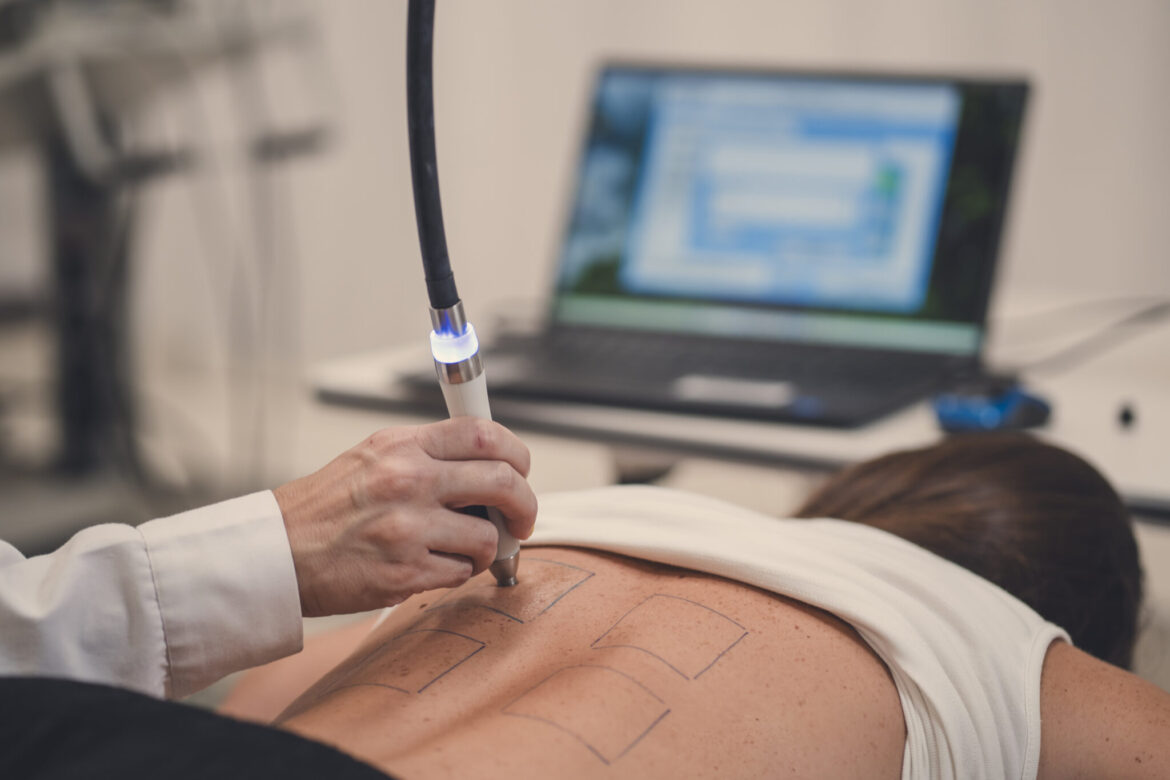
At AITEX, we carry out sun protection studies using in vitro and in vivo methodologies to assess SPF, UVA protection, water resistance and new parameters for protection against blue light and infrared radiation, providing reliable results for the development, validation and marketing of sun care products.
Sun protection tests make it possible to demonstrate objectively the photoprotective efficacy of a cosmetic product and to support the claims with which it reaches the market. They determine parameters such as SPF, UVA protection, critical wavelength and water resistance, and verify that the formulation maintains its performance under real conditions of use. At AITEX, we apply in vitro and in vivo methodologies in accordance with ISO standards and the requirements of the main international markets.
WHY CARRY OUT SUN PROTECTION TESTING AT AITEX?

SPF validation
Demonstrates the sun protection factor of the formulation.

UVA protection
Assesses the product’s ability to protect against UVA radiation.

Cosmetic claims
Provides technical support for photoprotective efficacy claims.

Regulatory compliance
Helps verify compliance with the requirements applicable to the product.

Trust
Strengthens the credibility and market positioning of the sun care product.
WHICH PRODUCTS CAN BE TESTED?
Facial sunscreens
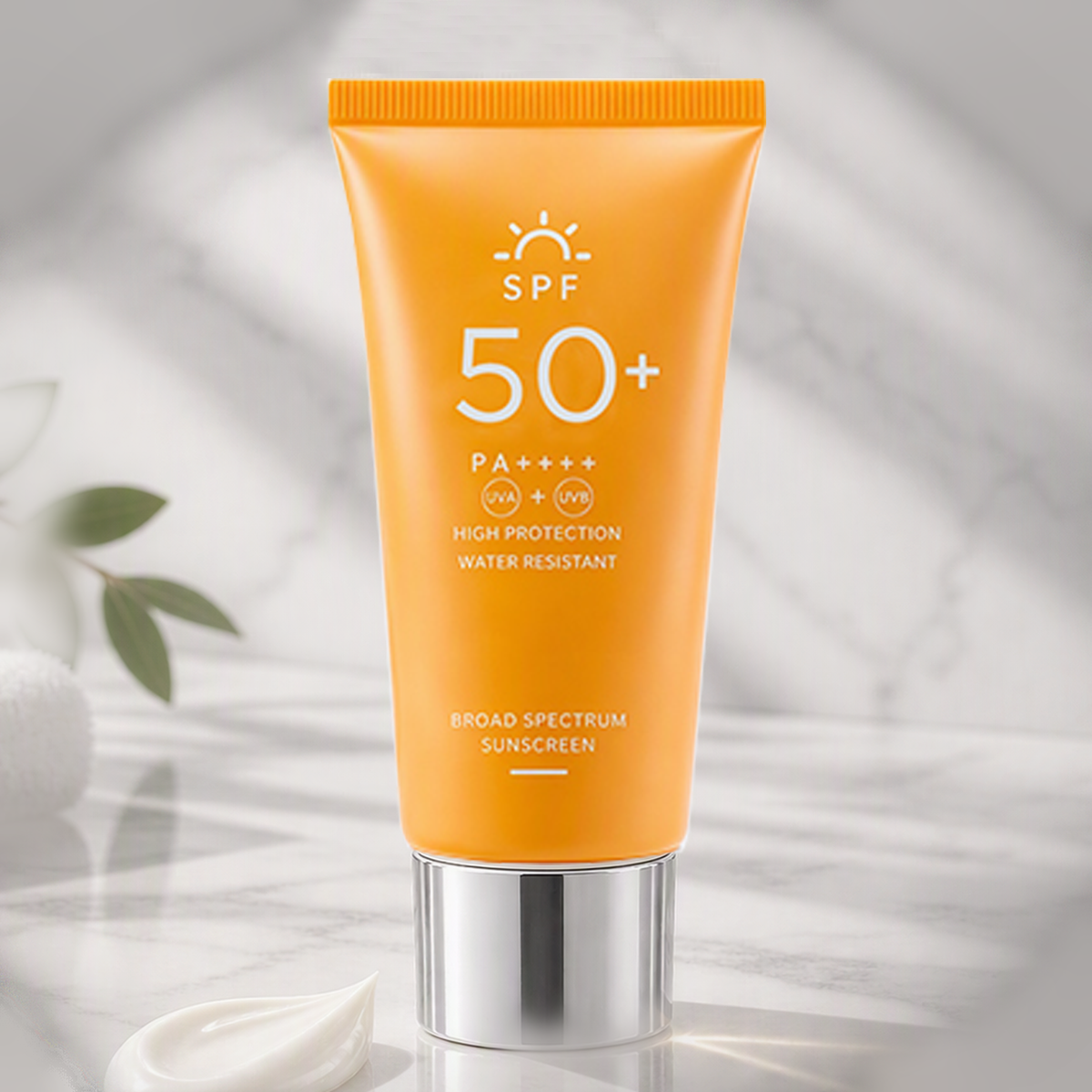
Body sunscreens
Children’s sunscreens
Make-up with sun protection
Water-resistant products
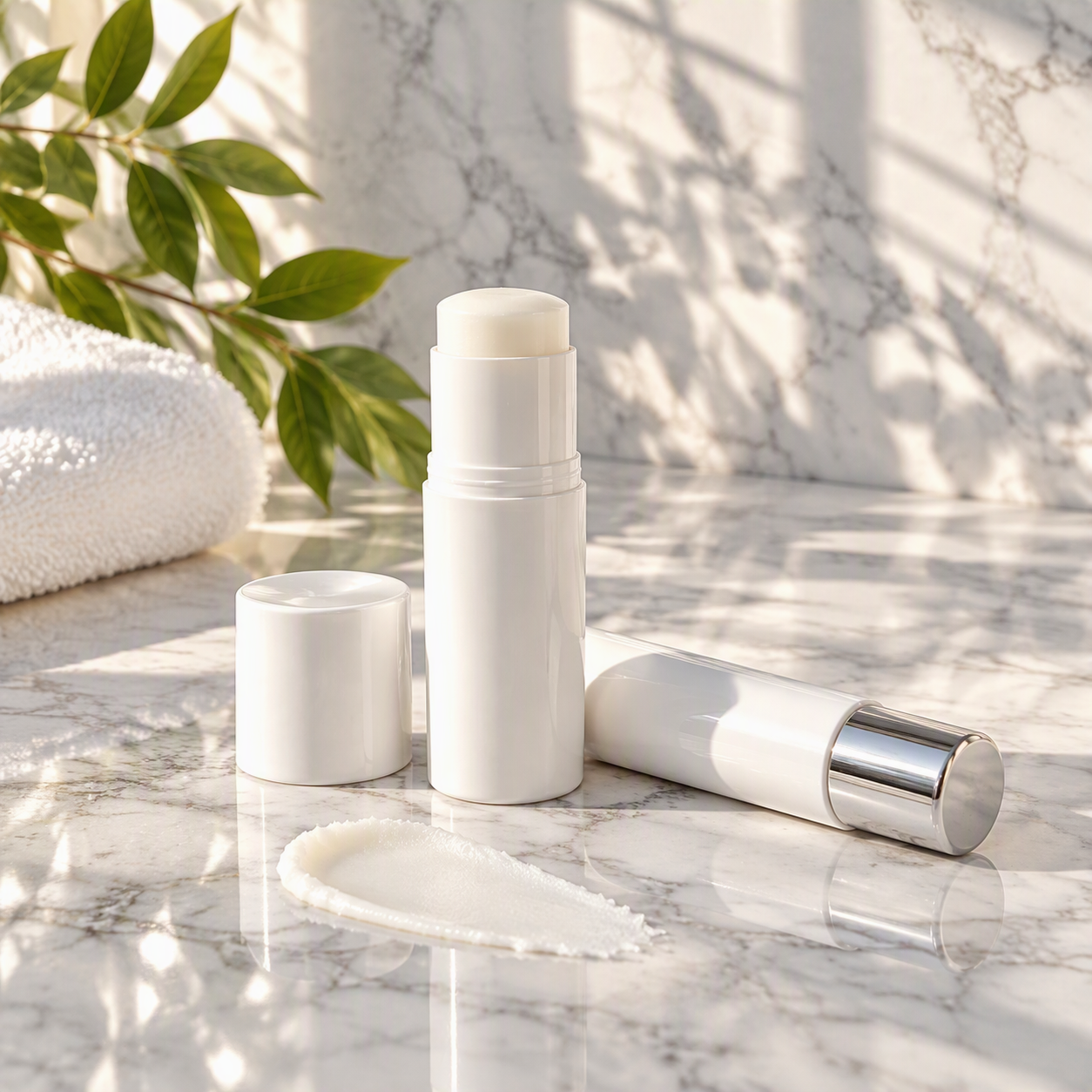
Sun sticks
HOW IS THE TEST CARRIED OUT?

Protocol definition
Selection of the protection parameters to be assessed.

Instrumental assessment
In vitro and in vivo tests according to the applicable methodology.

Determination of efficacy parameters
SPF, UVA, UVAPF, critical wavelength (CW) and other specific parameters.

Analysis and interpretation
Verification of formulation performance.

Technical report issuance
Results and conclusions for validation and marketing.
Why choose AITEX for your sun protection testing?
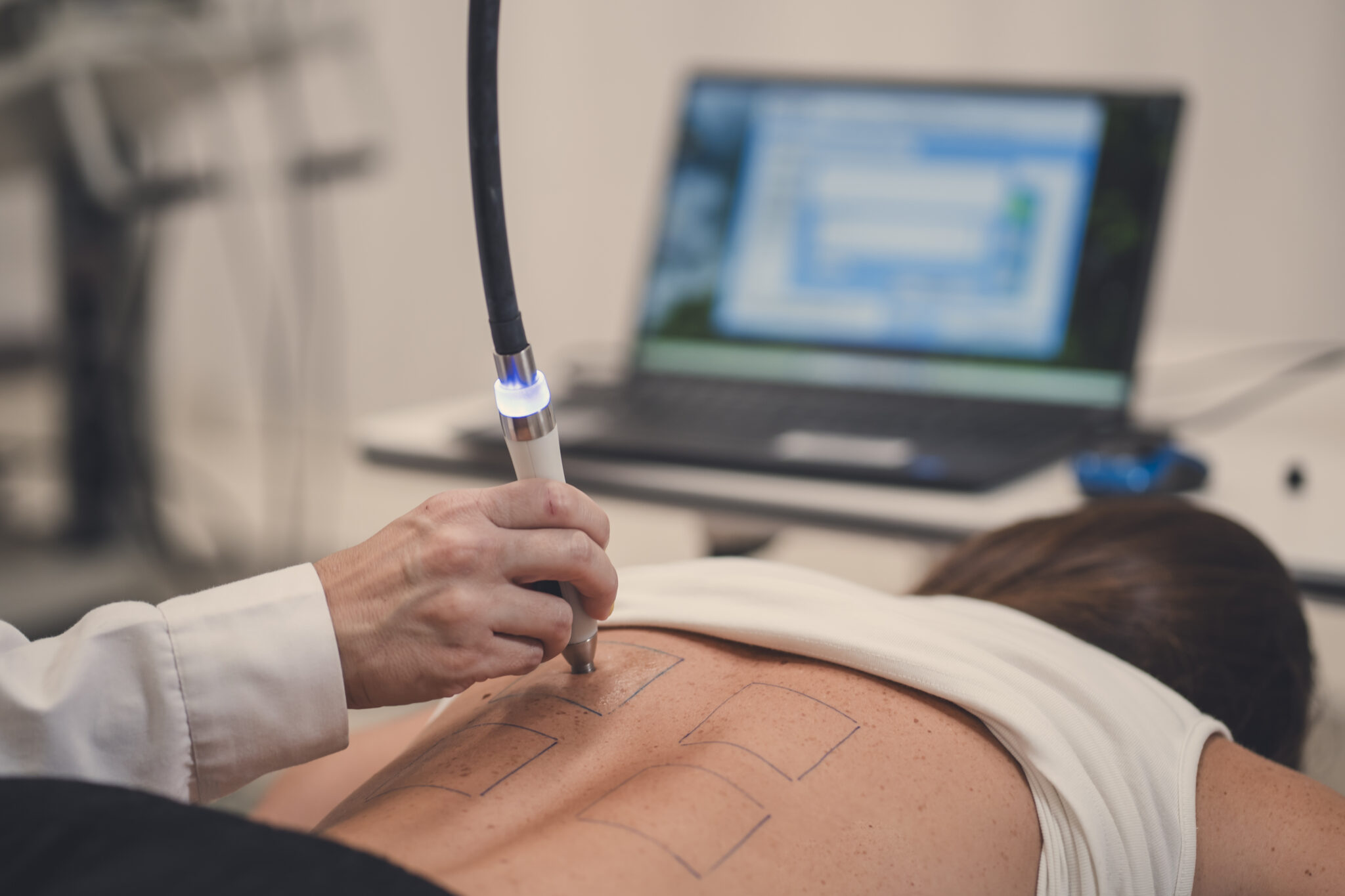
TESTING IN ACCORDANCE WITH INTERNATIONAL ISO STANDARDS
We apply internationally recognised reference methods for the assessment of photoprotection: ISO 23675 and ISO 23698 for the determination of the sun protection factor (SPF), and ISO 24443 and ISO 24442 for UVA protection. We also work in accordance with FDA criteria and the Australian/New Zealand standard AS/NZS 2604, enabling companies to validate their products according to the specific requirements of each target market. This regulatory coverage means that the same product development can be marketed in Europe, the United States and Oceania without having to repeat validation processes in different laboratories.
PROVEN RELIABILITY THROUGH INTERLABORATORY COMPARISON
We regularly take part in BIPEA interlaboratory comparison exercises for sun care product testing, a programme that compares our results with those of leading international reference laboratories. This ongoing monitoring makes it possible to verify the accuracy, repeatability and reproducibility of our determinations, and gives our clients an objective guarantee of the robustness of the data supporting their sun protection claims to authorities, distributors and consumers.


COMPREHENSIVE PHOTOPROTECTION ASSESSMENT
We determine SPF, UVA protection (UVAPF), critical wavelength and the quantification of UV filters present in the formulation, addressing both the claimed efficacy of the finished product and the analytical verification of its composition in a single laboratory. This comprehensive approach makes it possible to detect deviations at an early stage, optimise the combination of filters and ensure consistency between what the label claims and what the product actually delivers, reducing time and costs in the development process.
IN VITRO, IN VIVO AND HYBRID METHODOLOGIES
We select the most suitable method according to the project stage and the objective of each test, from initial formulation screening to final pre-market validation.
Our portfolio includes alternatives that reduce volunteer exposure, in line with regulatory and ethical developments in the cosmetics sector, and combines in vitro, in vivo and hybrid approaches to deliver reliable results with the lowest possible impact. This technical support makes it possible to move forward with confidence at every stage of development.
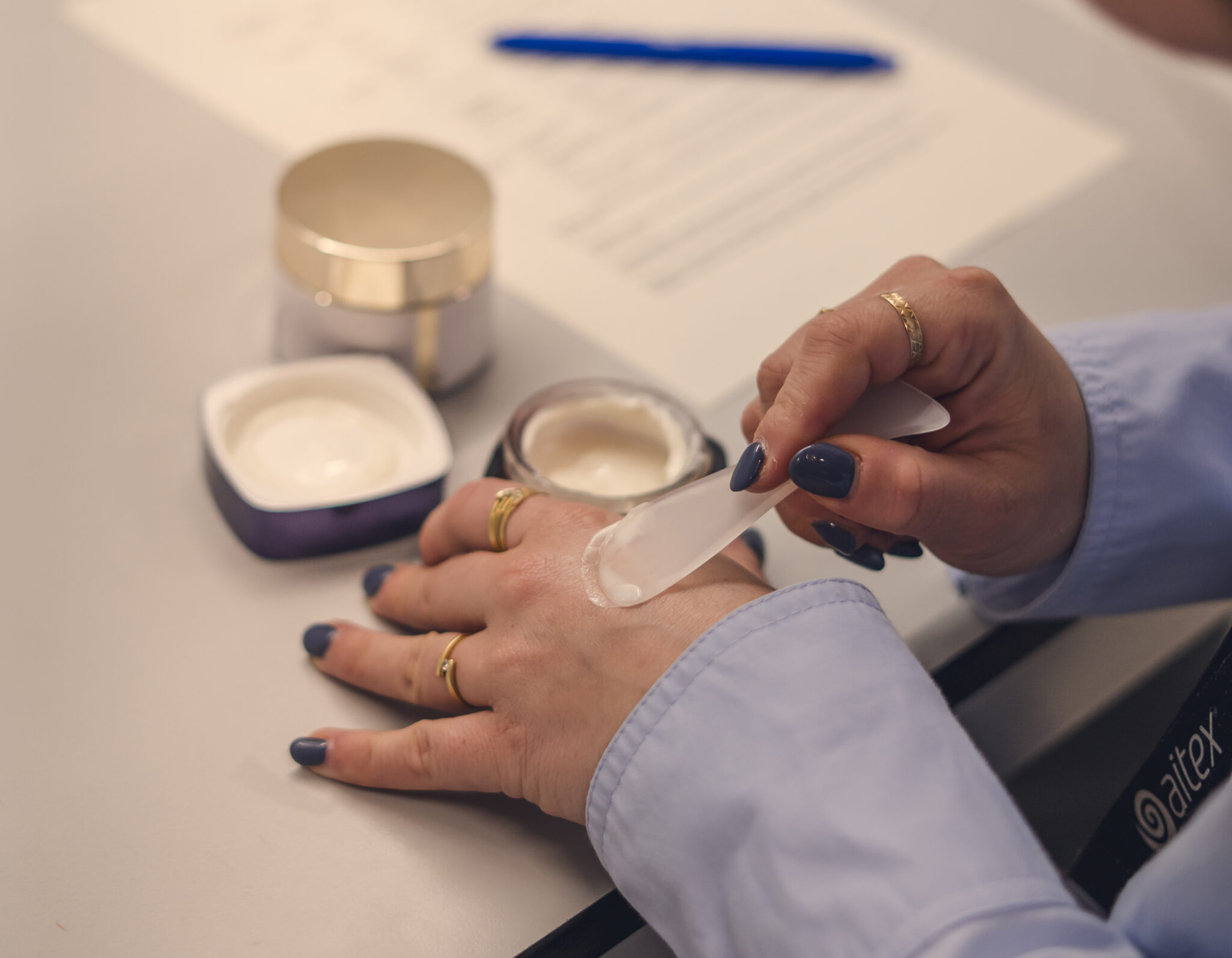
SUN PROTECTION TESTS AND METHODOLOGIES
SPF and UVA protection

UVB in vivo (SPF)
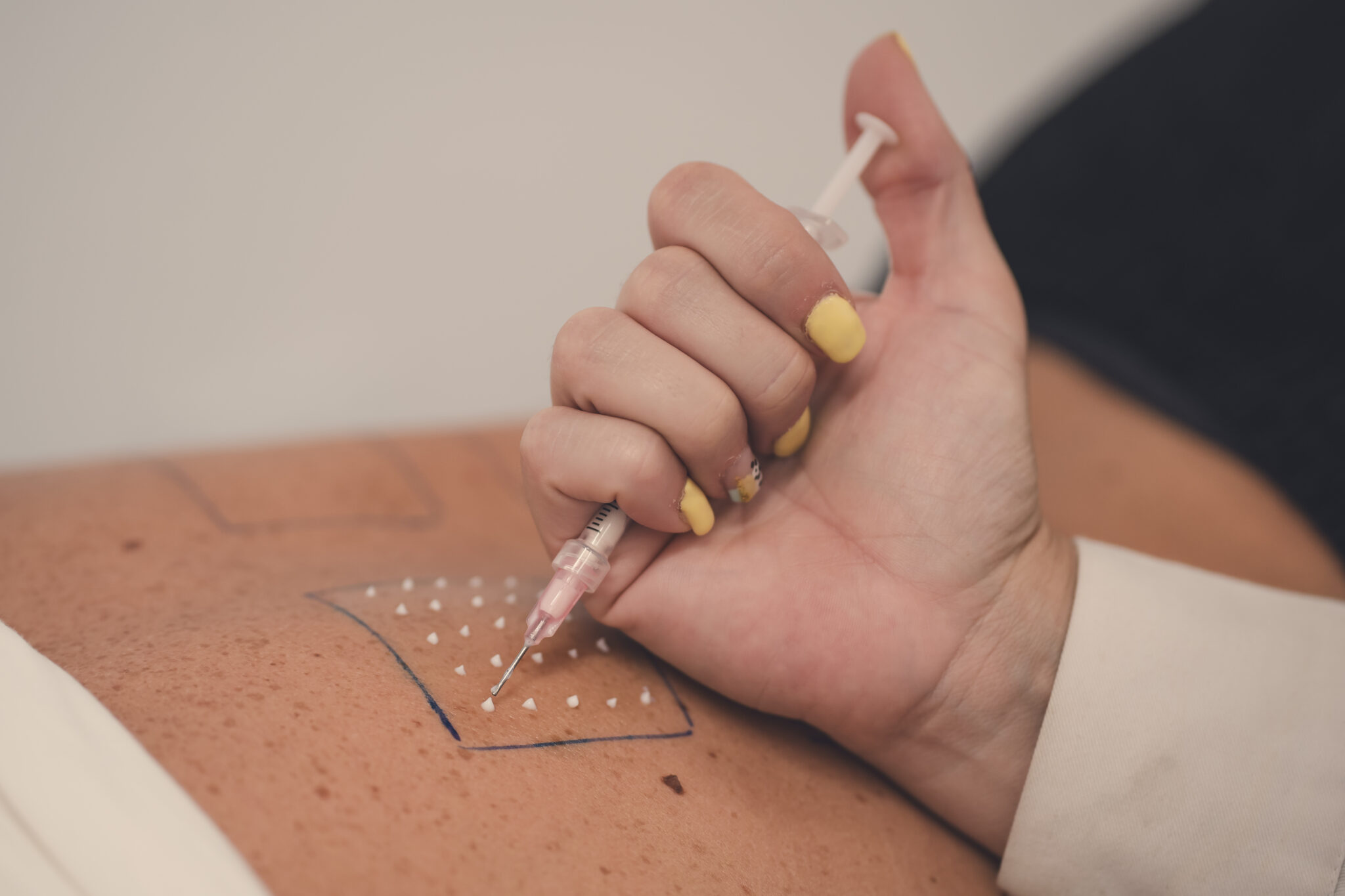
Determines SPF on volunteers by comparing the minimal erythemal dose on protected and unprotected skin. The international reference method for supporting the SPF stated on the label. Reference standards: ISO 24444, FDA and AS/NZS 2604.
SPF in vitro (DPM)
Determines SPF without the involvement of volunteers by measuring the absorbance of the product on a double plate, which improves the reproducibility of the result. Suitable for screening, formulation optimisation and quality control. Reference standard: ISO 23675 (Double Plate Method).
In vitro UVA and critical wavelength (UVAPF + CW)
Determines the UVA protection factor and critical wavelength on a PMMA plate, the parameter that underpins the broad-spectrum concept. Provides reproducible, comparable results during development and quality control. Reference standards: ISO 24443, with criteria recognised by the FDA and AS/NZS 2604.
UVA in vivo (PPD)
Assesses on volunteers the product’s ability to prevent UVA-induced pigmentation, using the Persistent Pigment Darkening method. It is the reference functional test for validating UVA protection claims on the label. Reference standards: ISO 24442, FDA and AS/NZS 2604.
SPF, UVA and critical wavelength · HDRS
Obtains SPF, UVAPF and critical wavelength in a single study, using a hybrid approach that significantly reduces volunteer exposure to radiation. A fast, comprehensive alternative for formulation development and validation. Reference standard: ISO 23698 (Hybrid Diffuse Reflectance Spectroscopy).
Resistance and claims validation
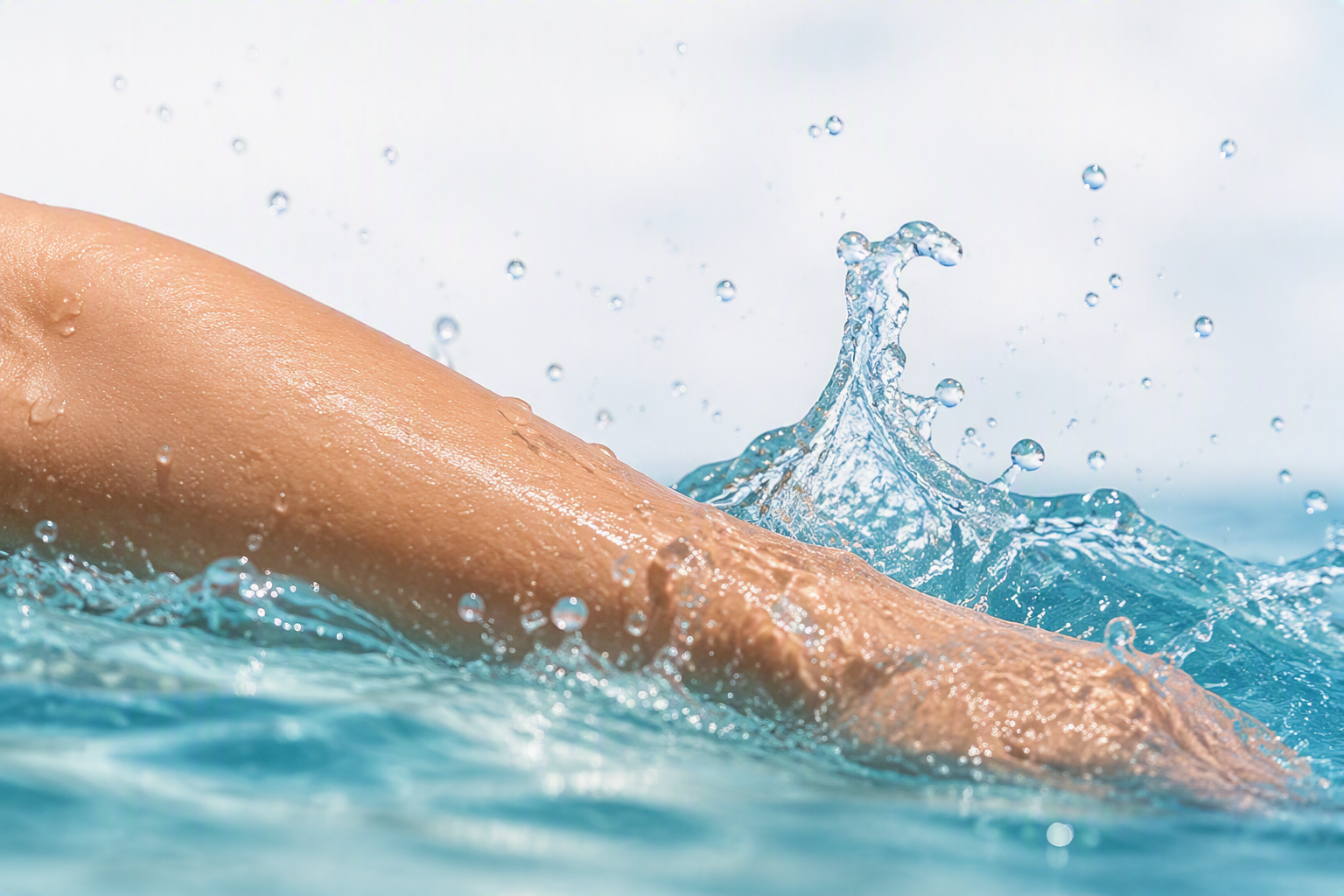
SPF Water Resistant and Very Water Resistant
Determines SPF after subjecting the product to controlled water immersion cycles and quantifies the loss of efficacy relative to the initial value. This test is required to claim «water resistant» or «very water resistant» on the label in accordance with ISO, FDA and AS/NZS 2604 guidelines.
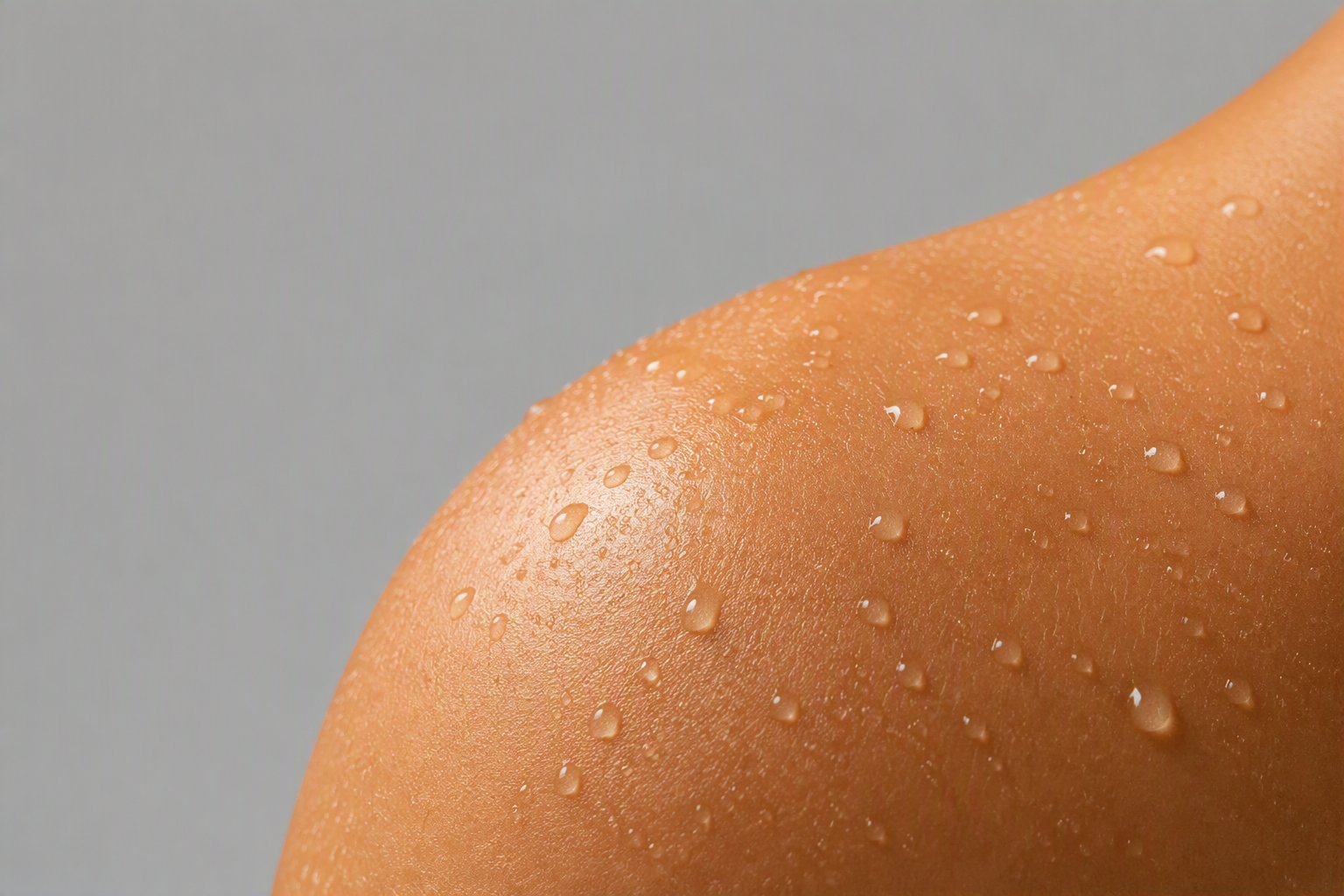
SPF Sweat Resistant
Assesses the stability of the photoprotective film under controlled conditions of perspiration, temperature and humidity, comparing the resulting SPF with the initial value. Provides technical support for sports products, products for use in hot climates and products with long-lasting claims.
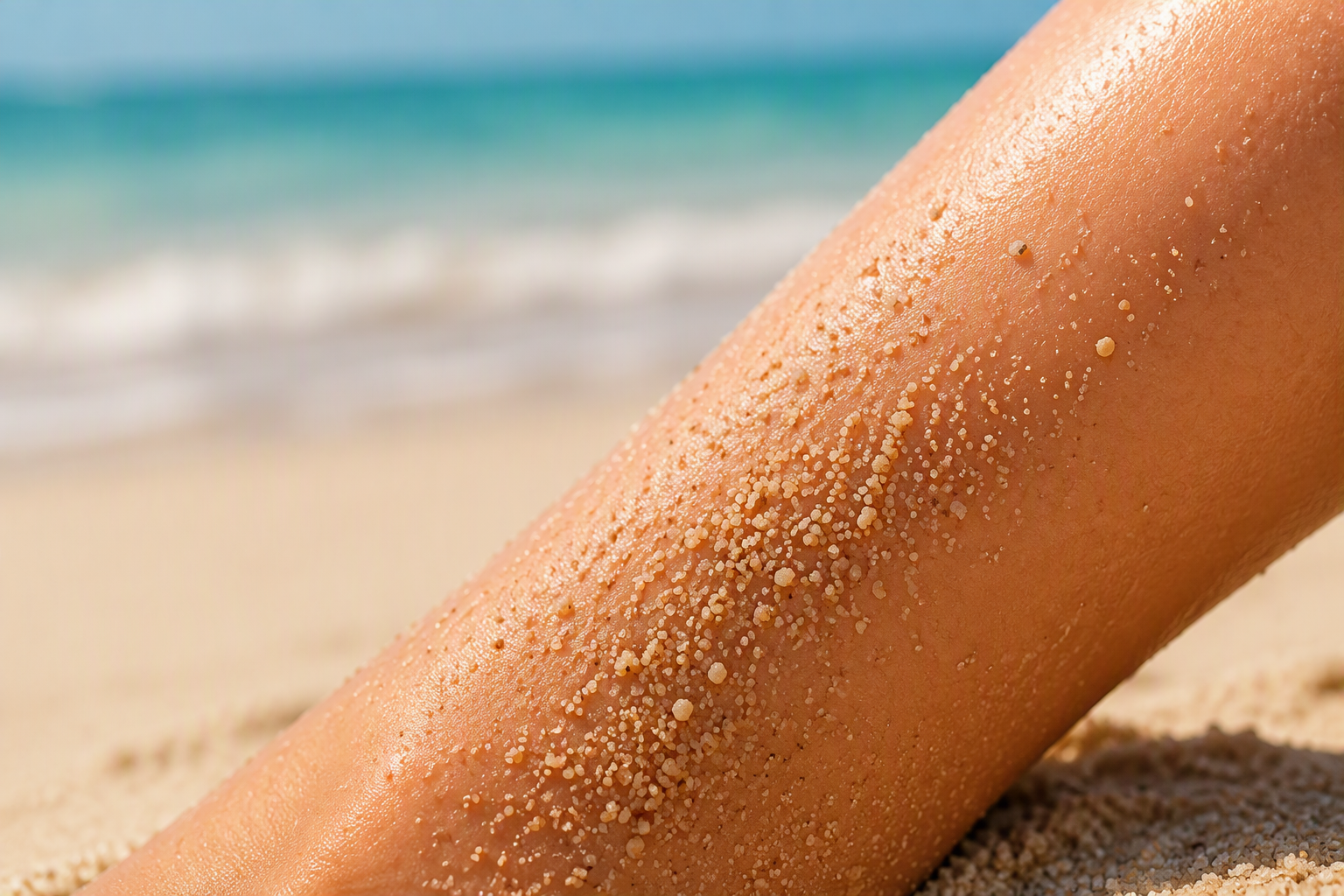
SPF Sand Resistant
Analyses whether the product retains its adhesion and SPF efficacy after contact with sand, simulating real beach conditions. Makes it possible to check film integrity against abrasion, which is particularly relevant for oil-based formulations and products with high-durability claims.
Advanced protection
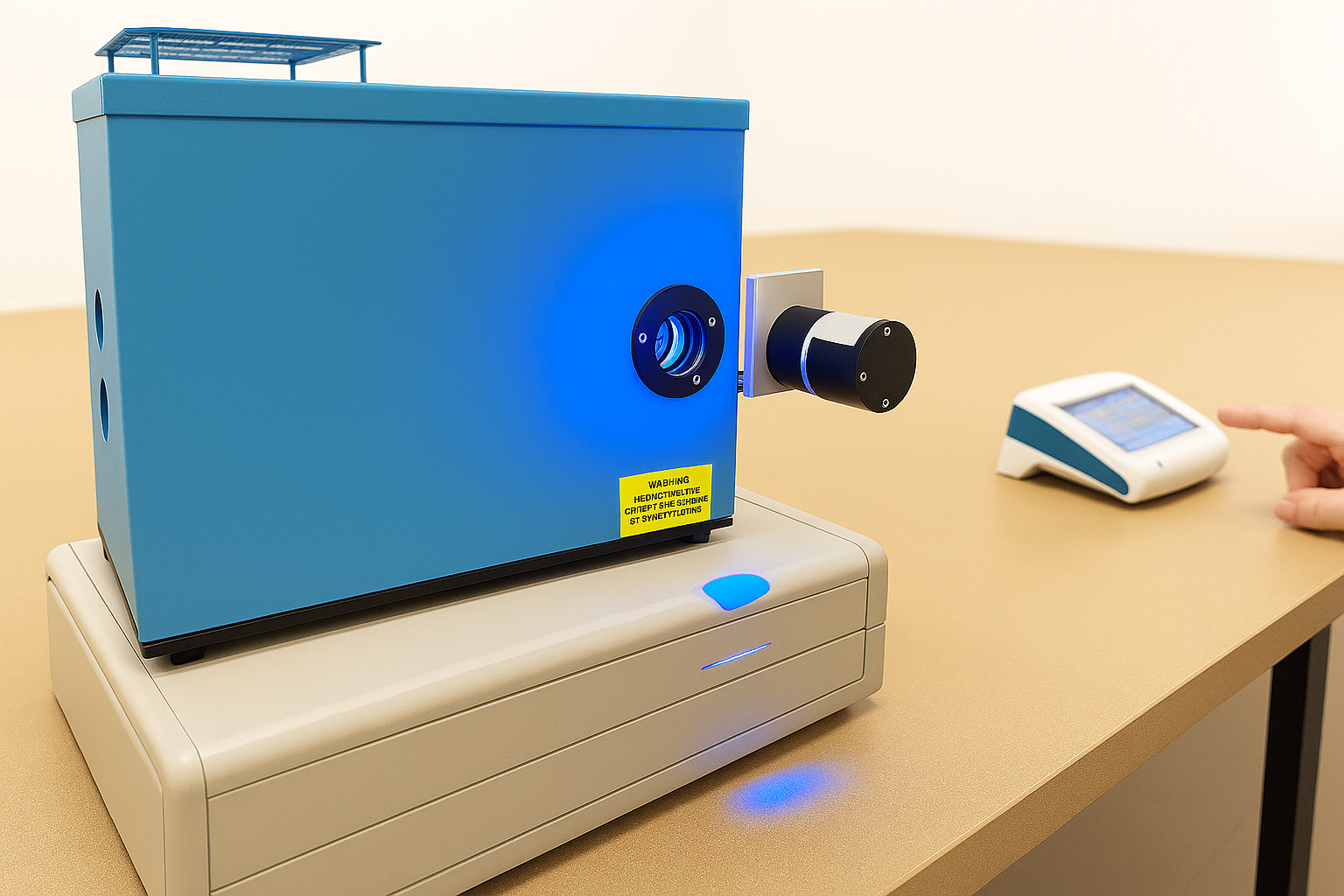
Blue light (HEV – High Energy Visible)
Proprietary in vitro method that measures the product’s ability to attenuate high-energy visible radiation. Provides evidence for blue light protection claims, linked to photoageing, oxidative stress and hyperpigmentation, in multifunctional products and products designed for digital screen exposure.
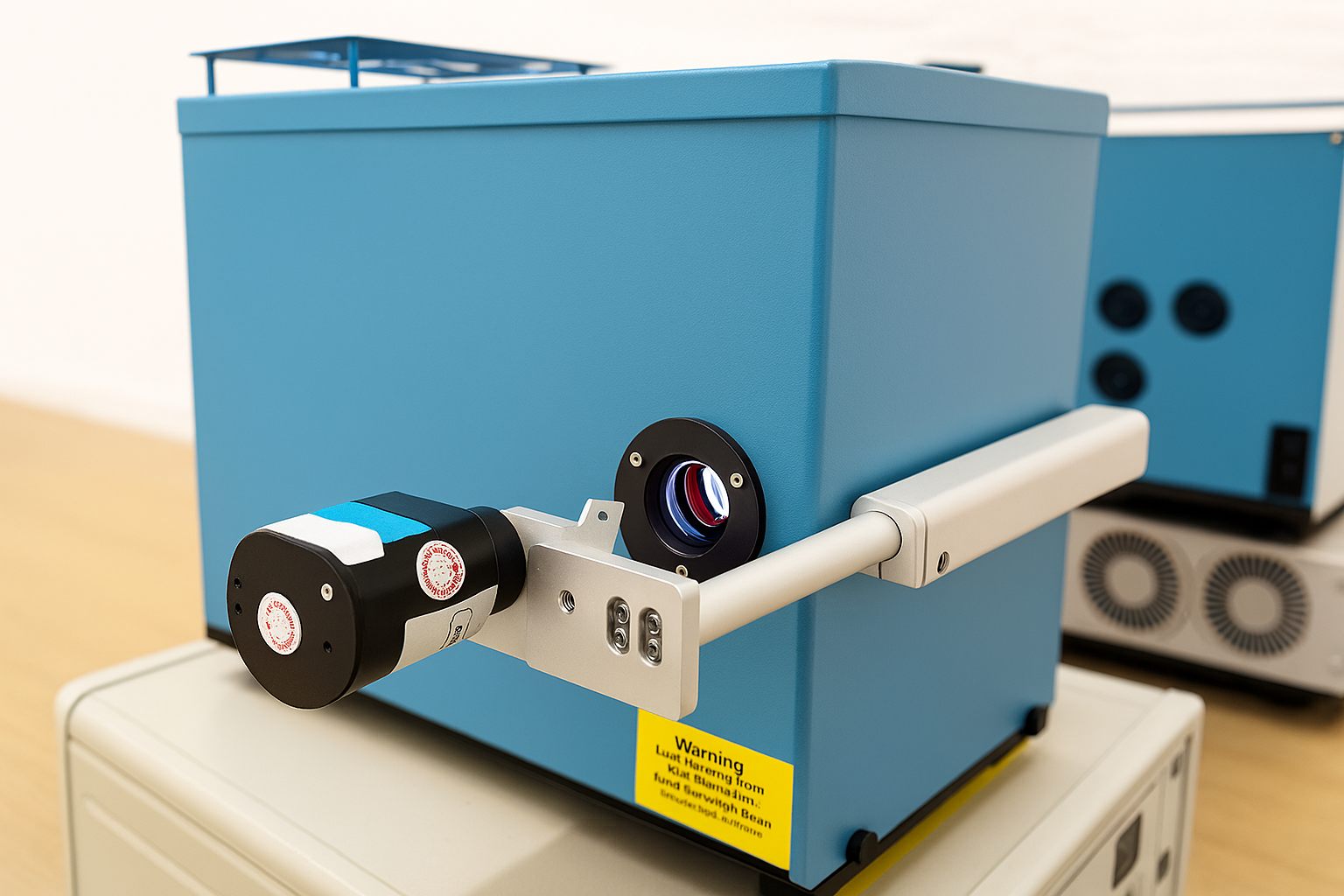
Infrared radiation (IR)
Proprietary in vitro method designed to assess the product’s potential to mitigate the effects of infrared radiation. Complements the characterisation of advanced and anti-ageing sun care products by addressing a range associated with heat generation, oxidative stress and collagen degradation.
UV filter quantification
Quantification of oil-soluble UV filters
Quantifies filters such as avobenzone, octocrylene and octisalate to verify their actual concentration, support compliance with Regulation (EC) No 1223/2009 and back up SPF and UVA testing.
Quantification of water-soluble UV filters
Determines filters that are soluble in the aqueous phase, such as benzophenone-4, commonly found in gels and O/W emulsions. Confirms correct dosage and regulatory compliance of the finished product.
Quantification of polysilicone-15
Verifies the concentration of this polymer, which acts as a UV filter and film-forming agent, and supports the product’s sun protection and water resistance performance.
Quantification of titanium dioxide (TiO₂)
Determines the content of this physical UV filter in sun care and make-up products, which is key to validating photoprotective efficacy and regulatory compliance in micronised or nanostructured systems.
Quantification of zinc oxide (ZnO)
Accurately quantifies this mineral filter to ensure product efficacy and safety, verify its dosage in the formulation and check batch-to-batch consistency.
FAQS ON SUN PROTECTION TESTING
What is the difference between SPF and UVA protection?
SPF measures protection against UVB radiation, the main cause of erythema or sunburn. UVA protection refers to longer-wavelength radiation, associated with pigmentation, photoageing and cumulative damage. They are independent parameters determined by different tests, so a high SPF does not in itself guarantee adequate UVA protection.
Is it mandatory to substantiate the SPF of a sun care product?
Any efficacy claim appearing on the label must be supported by adequate and verifiable evidence. If a product claims an SPF value, that value must be substantiated by tests carried out according to recognised methods, and the corresponding documentation must form part of the Product Information File (PIF).
What does broad-spectrum protection mean?
It indicates that the product provides balanced protection against both UVB and UVA radiation, not just against sunburn. This concept is substantiated using the critical wavelength and the ratio between UVA protection and the claimed SPF, according to the criteria applicable in each market.
What is UVAPF?
It is the protection factor against UVA radiation. It can be determined in vitro, by measuring the absorbance of the product applied to a plate, or in vivo, by assessing on volunteers the product’s ability to prevent UVA-induced pigmentation. It is the parameter that supports UVA protection claims on the label.
How is water resistance demonstrated?
SPF is determined before and after the product, applied to volunteers, is subjected to controlled immersion cycles, and the loss of efficacy relative to the initial value is compared. There are two levels, water resistant and very water resistant, the latter involving longer or repeated immersion, each with its own labelling requirements.
Can blue light protection be validated?
Yes. Protection against high-energy visible radiation (HEV, 400–500 nm) is assessed using an in vitro method that measures the product’s ability to attenuate this radiation. It provides technical support for blue light protection claims in multifunctional products or products designed for screen exposure.
What are the benefits of assessing infrared protection?
Infrared radiation is associated with heat generation, oxidative stress and collagen degradation. Its assessment using an in vitro method makes it possible to characterise the product’s performance in a range not covered by conventional SPF and UVA tests, and to differentiate advanced photoprotection or anti-ageing formulations.
REQUEST MORE
INFORMATION
If you would like further information, please complete and submit the form and we will get in touch with you.