
Circular economy and sustainability
ENVIRONMENTAL SOLUTIONS III
E-MICROPLAST 2025
Motivation
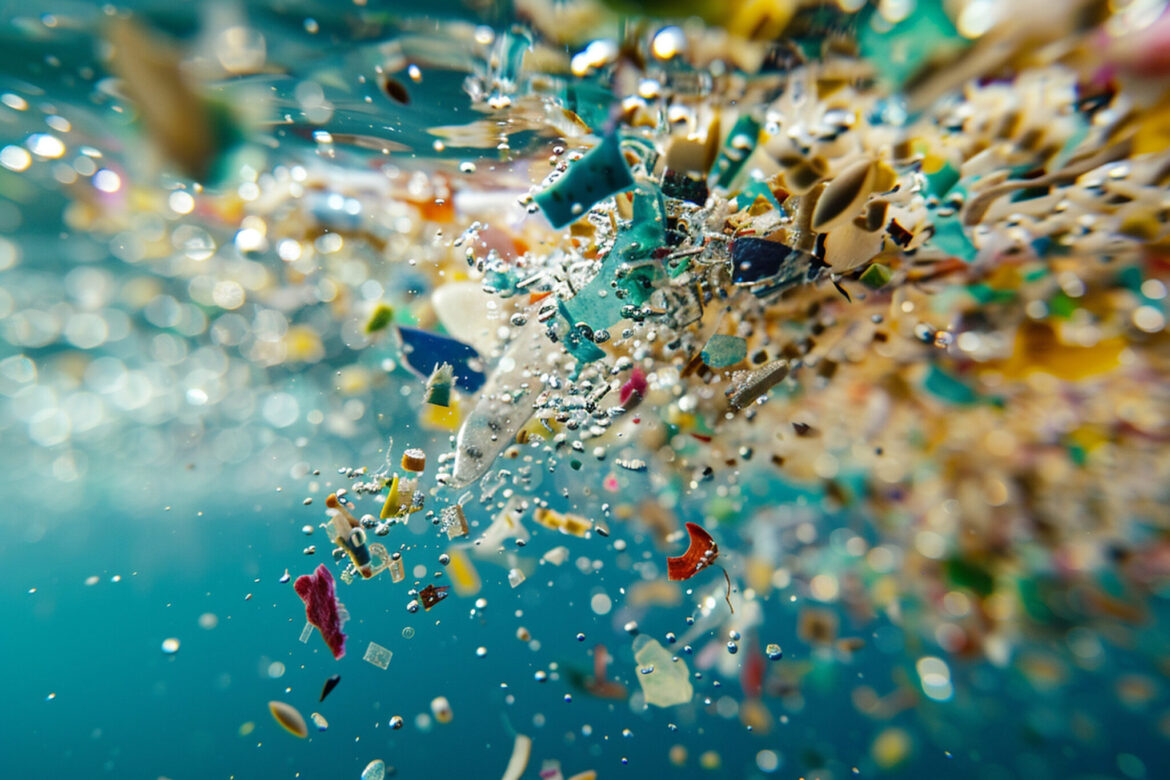
The issue of microplastics (MPs) and emerging contaminants in wastewater is a critical environmental concern in Europe. MPs, originating from industries such as textiles and cosmetics, pollute water bodies as they break down, harm biodiversity, and carry toxins that can enter the human food chain. Other contaminants, such as heavy metals, pharmaceuticals, and PFAS, are also toxic, persistent, and difficult to remove.
Europe has implemented regulatory measures such as the Plastics Strategy and the Urban Wastewater Treatment Directive, which aim to reduce plastic pollution, promote a circular economy, ban single-use plastics, improve recycling, encourage sustainable alternatives, and achieve a 50% recycling rate by 2025. The Directive also mandates proper wastewater treatment, including the removal of emerging contaminants like MPs and pharmaceuticals, to protect aquatic ecosystems.

Objectives
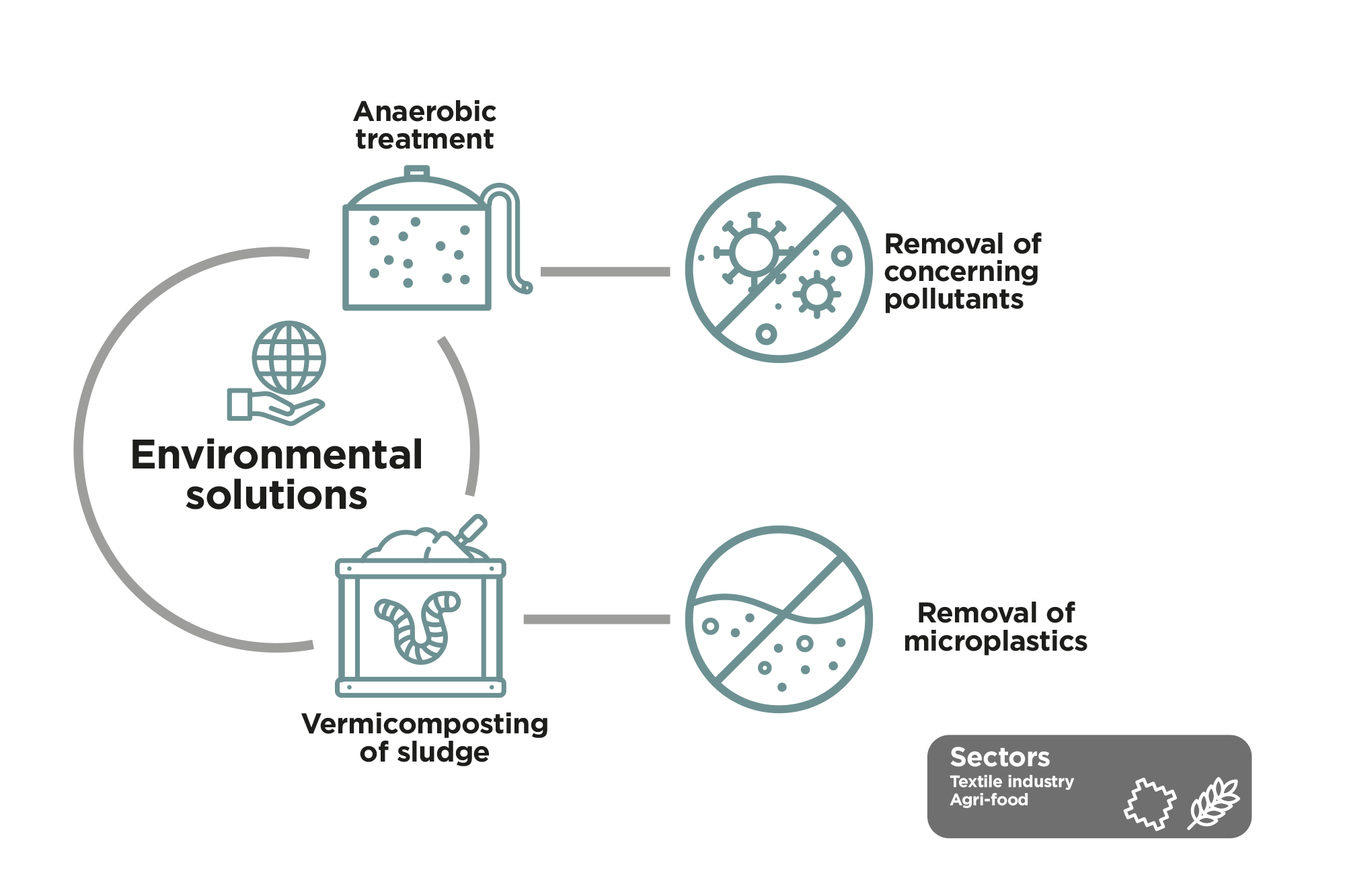
To eliminate pollutants and microplastics from wastewater from the textile and cosmetics industry, evaluating technologies such as anaerobic digestion and adjusting processes to recent regulations. In addition, vermicomposting will be evaluated as a sustainable solution to eliminate microplastics in the sludge, analyzing the effectiveness of earthworms in this process.
Value and competitive advantage

-
Combination of microplastic reduction, energy valorization, and generation of useful by-products within a circular economy framework.
-
Strong alignment with European sustainability policies, circular economy strategies, and industrial environmental impact reduction goals.
-
Transformation of a problematic textile industry waste into resources with added environmental and economic value.
Expected results

-
Identification and quantification of microplastics in wastewater originating from cosmetic and textile industrial processes.
-
Evaluation of conventional wastewater treatment systems efficiency, achieving microplastic removal rates exceeding seventy percent.
-
Assessment of anaerobic digestion of textile sludge as a pathway for biogas generation and environmental treatment.
-
Achievement of significant methane production from textile sludge under controlled anaerobic digestion conditions.
-
Partial reduction of microplastics through optimized anaerobic digestion, reaching elimination values close to thirty-six percent.
-
Identification of microplastic fragmentation processes during biological treatments, highlighting the need for operational optimization.
-
Validation of vermicomposting as a sustainable alternative for the treatment and stabilization of contaminated textile sludge.
-
Cumulative microplastic reduction between forty-nine and sixty-seven percent achieved through prolonged vermicomposting processes.
-
Production of a stabilized substrate with potential valorization as organic fertilizer under controlled application environments.
Grant number: IMAMCA/2025/6
Programme: Plan of non-economic activities 2025
Period of execution: January 2025 – December 2025
Status: IFinished
More information: PLAN OF ACTION
Entity: IVACE

Project supported by the Ministry of Innovation, Industry, Commerce and Tourism of the Generalitat Valenciana, through IVACE.
CONTACT US
Do you want to contact us? Click on the button and write to us.
R&D AREAS

New high-performance functionalised materials

Circular economy and sustainability

Advanced manufacturing, smart textiles and digitalisation

High value-added solutions for strategic markets
RELATED PROJECTS


NEWS

AITEX is present at the Babykid FIMI fair at Feria Valencia from January 26 to 28, presenting tests and certifications for children’s products.

AITEX has attended the Cosmetorium fair in Barcelona once again on October to present its new products for the cosmetic sector.
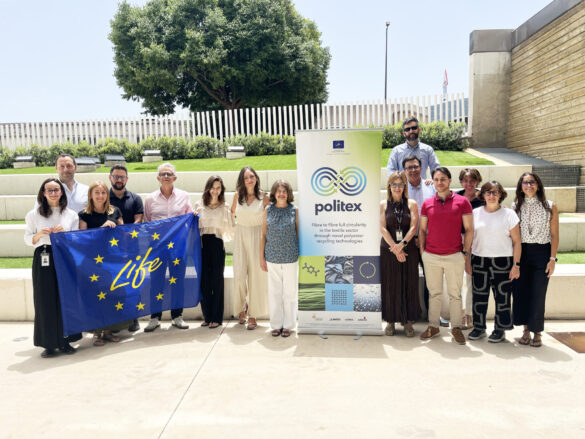
AITEX has hosted the LIFE POLITEX workshop entitled “Closing the textile polyester cycle: challenges and opportunities”, based on promoting sustainable solutions for the management and recycling of textile materials.