3D ANALYSIS FOR COSMETIC CLAIMS SUBSTANTIATION
REQUEST MORE INFORMATION
3D ANALYSIS FOR COSMETIC CLAIMS SUBSTANTIATION
REQUEST MORE INFORMATION

Three-dimensional skin analysis

Quantifiable and reproducible results

Visual evidence for your claims
WHAT IS 3D ANALYSIS APPLIED TO COSMETIC EFFICACY?
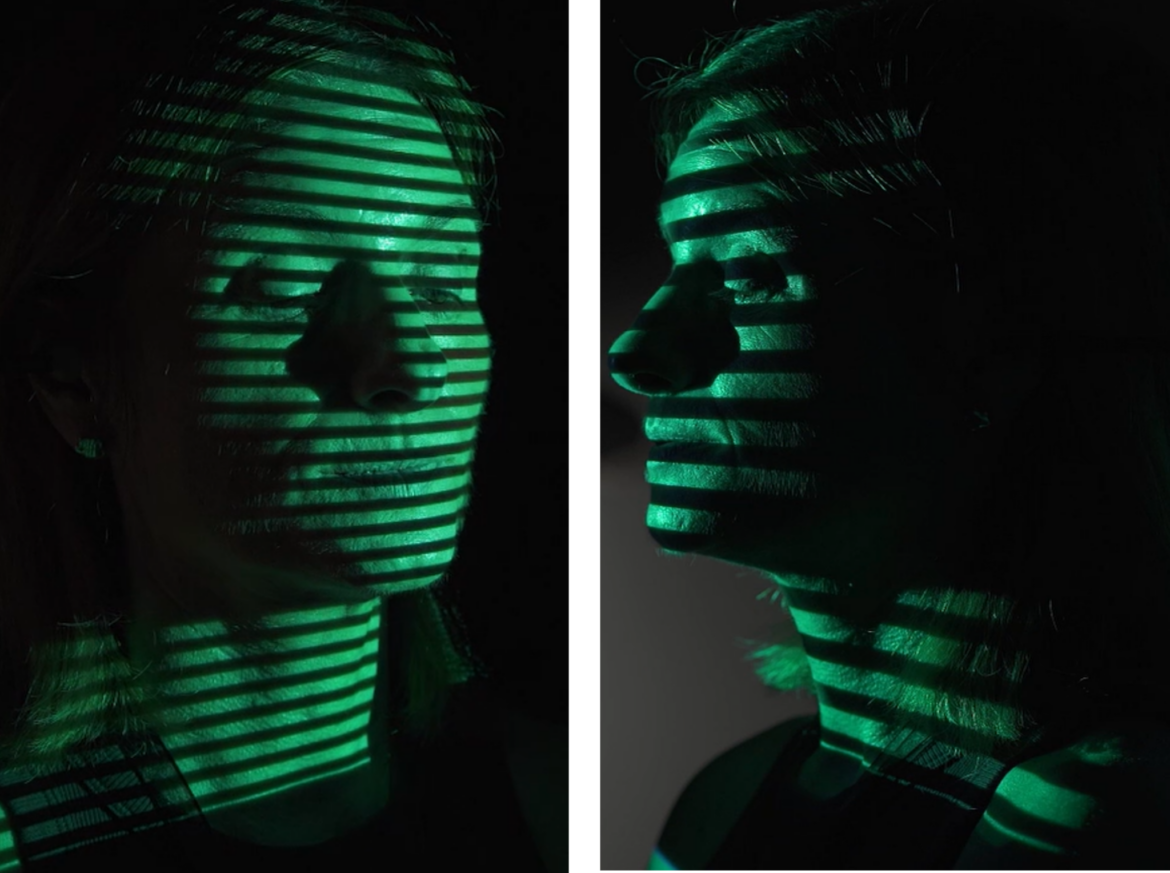
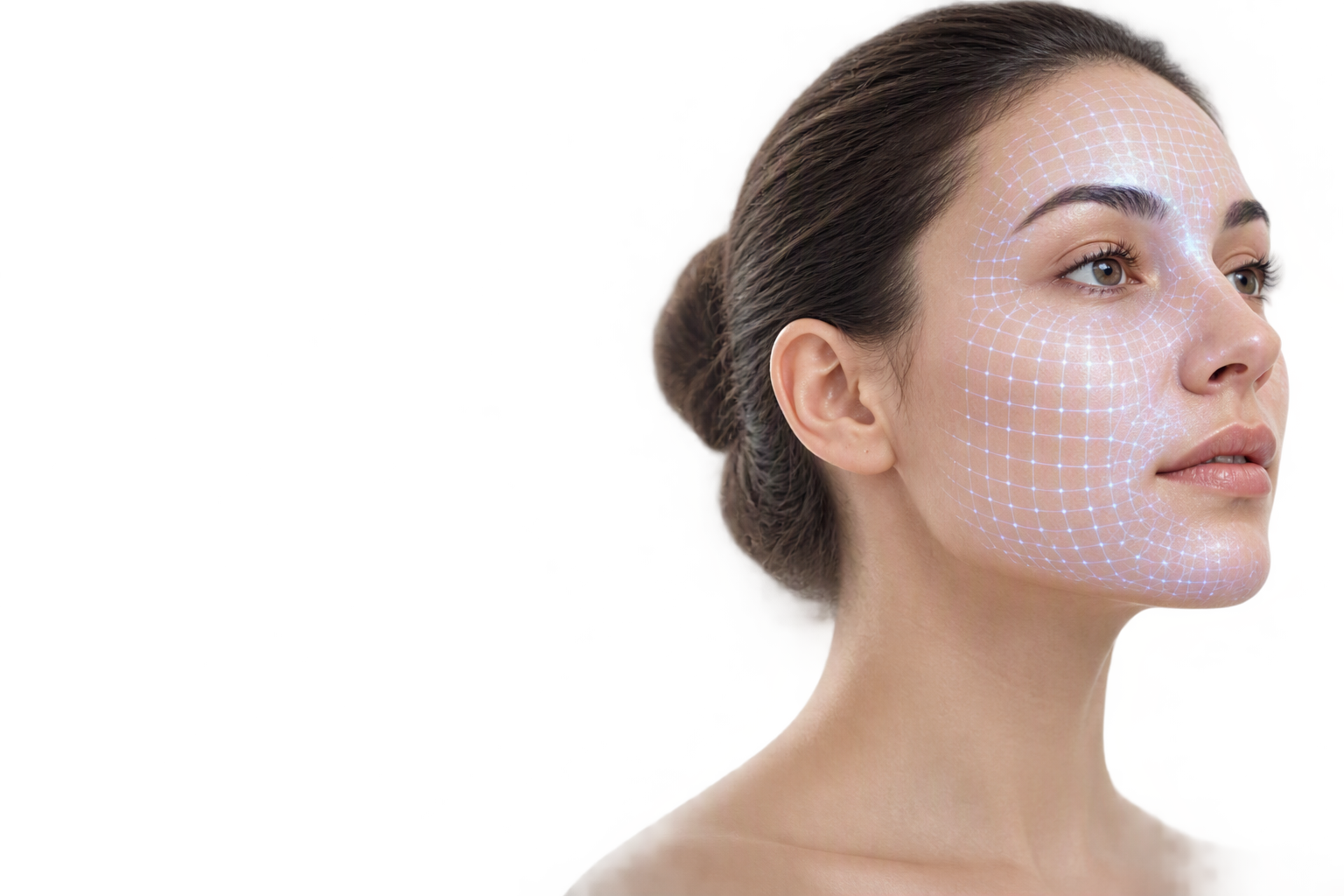
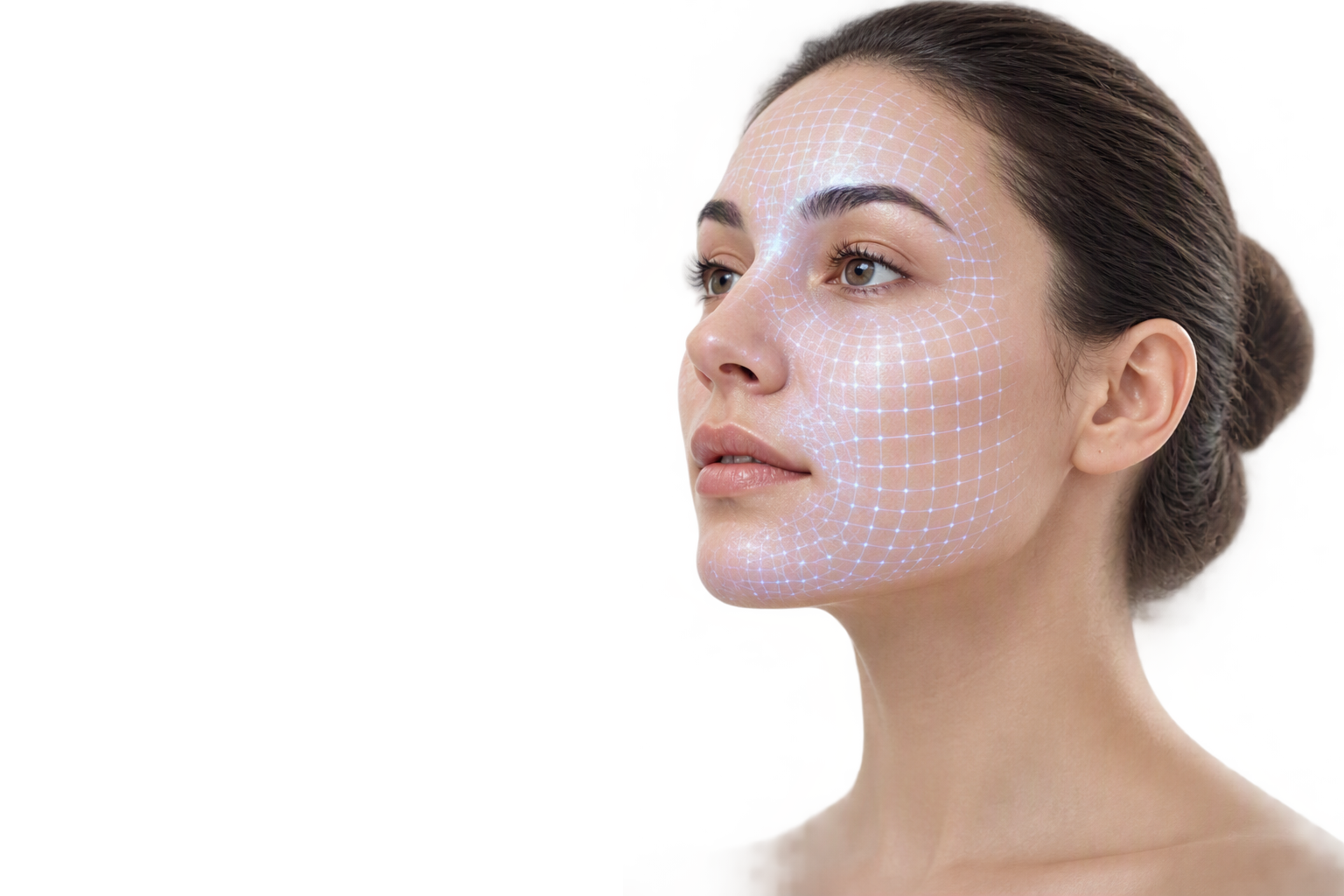
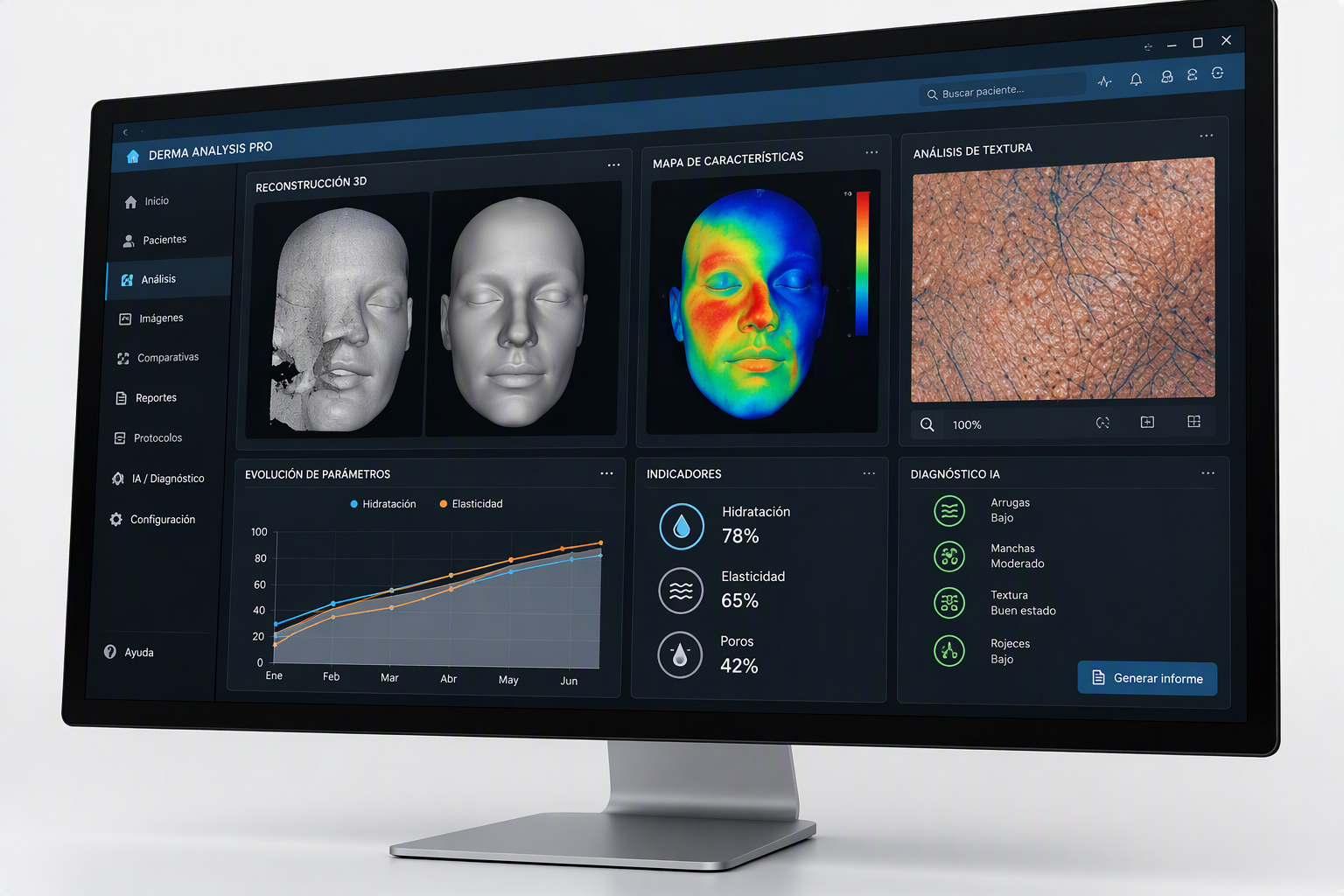
3D analysis applied to cosmetics makes it possible to objectively assess changes in the surface and morphology of the skin after using a product. Images captured at different stages of the study are used to generate comparable digital models that enable the evolution of parameters relating to skin topography, wrinkles, texture or volume to be analysed.
The methodology combines standardised image acquisition with specialised 3D design and analysis software. In this way, numerical results are accompanied by visual representations that help interpret the observed efficacy and provide evidence for cosmetic claims validation.
WHY USE 3D ANALYSIS TO VALIDATE COSMETIC CLAIMS?

Quantify changes
It makes it possible to measure the changes observed between the different stages of the study.
Visualise results
It transforms data into clear reconstructions, maps and comparisons.

Assess complete areas
It enables an entire area to be analysed rather than just an isolated point.

Strengthen the evidence
It complements other instrumental, clinical or perception assessments.

Improve interpretation
It helps identify where changes occur and determine their magnitude.

Support communication
It provides visual materials that can facilitate the technical presentation of results, subject to review and authorised use.
WHICH PRODUCTS CAN BE ASSESSED?
Anti-ageing emulsions and serums
Eye contour products
Firming products
Plumping products
Skin texture treatments
Body emulsions
COSMETIC CLAIMS THAT CAN BE ASSESSED USING 3D ANALYSIS
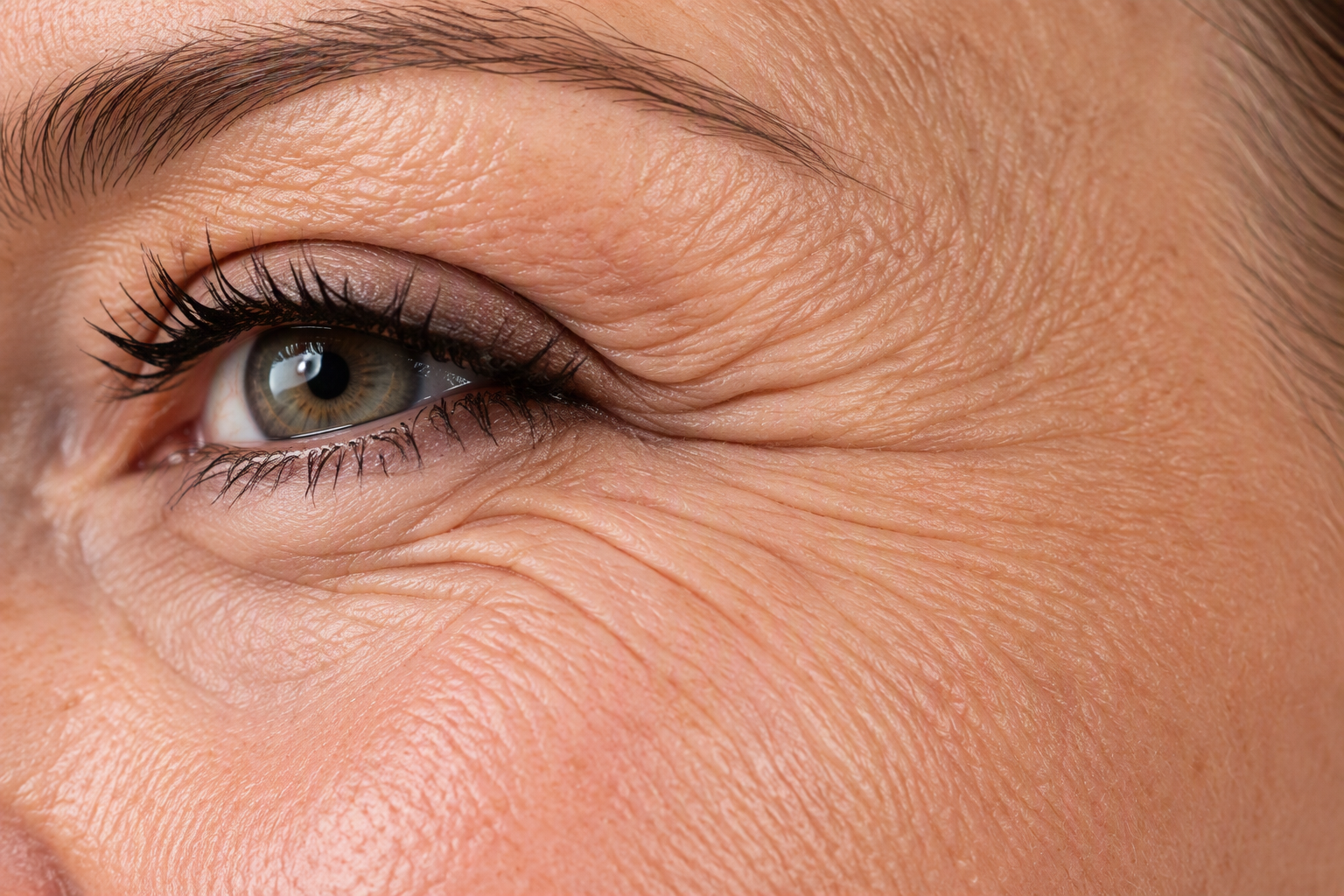
Anti-wrinkle and expression lines
Assessment of changes in the depth, volume, surface area or appearance of wrinkles and expression lines.
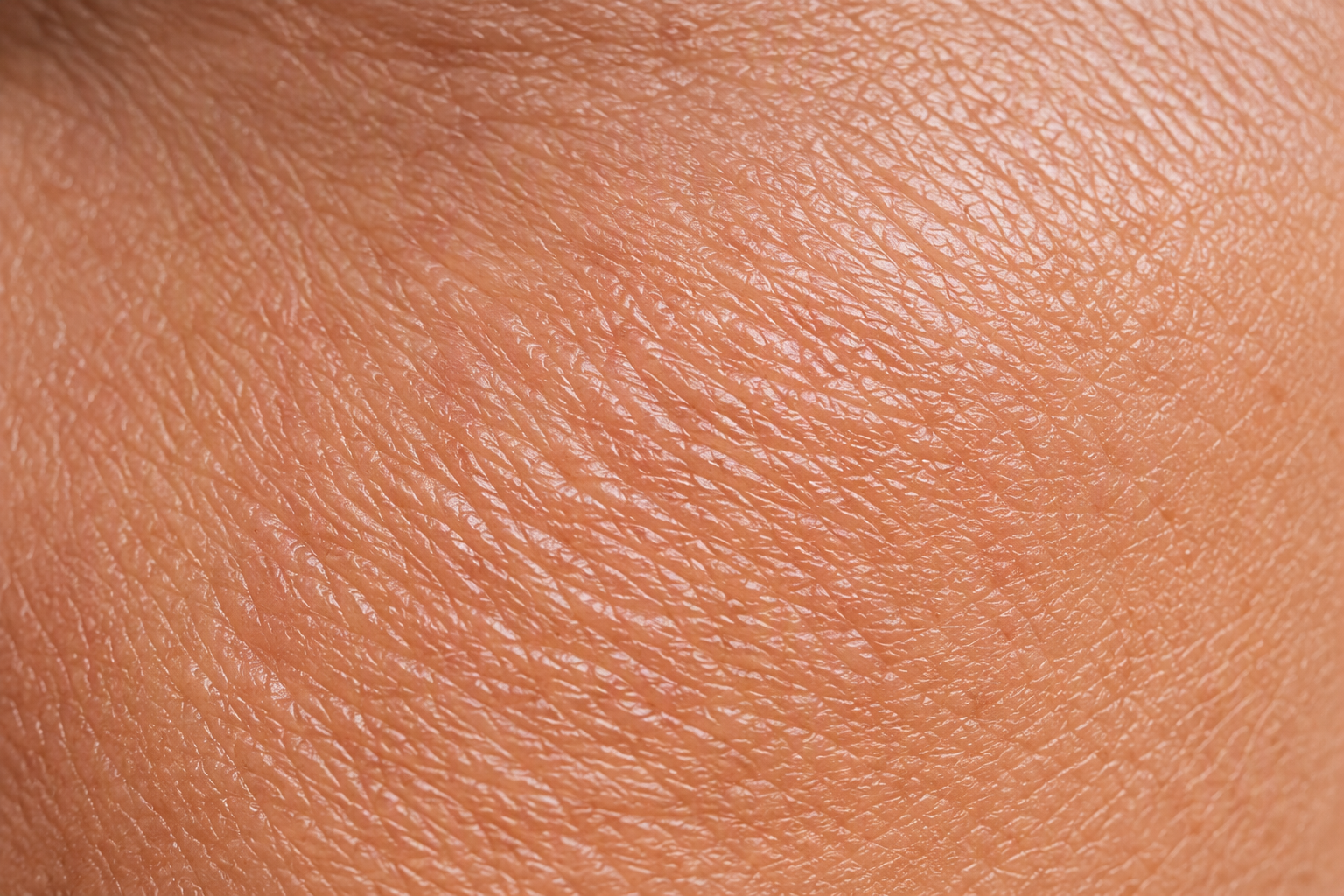
Texture and roughness
Analysis of skin topography and the evolution of parameters associated with smoother, more even skin.
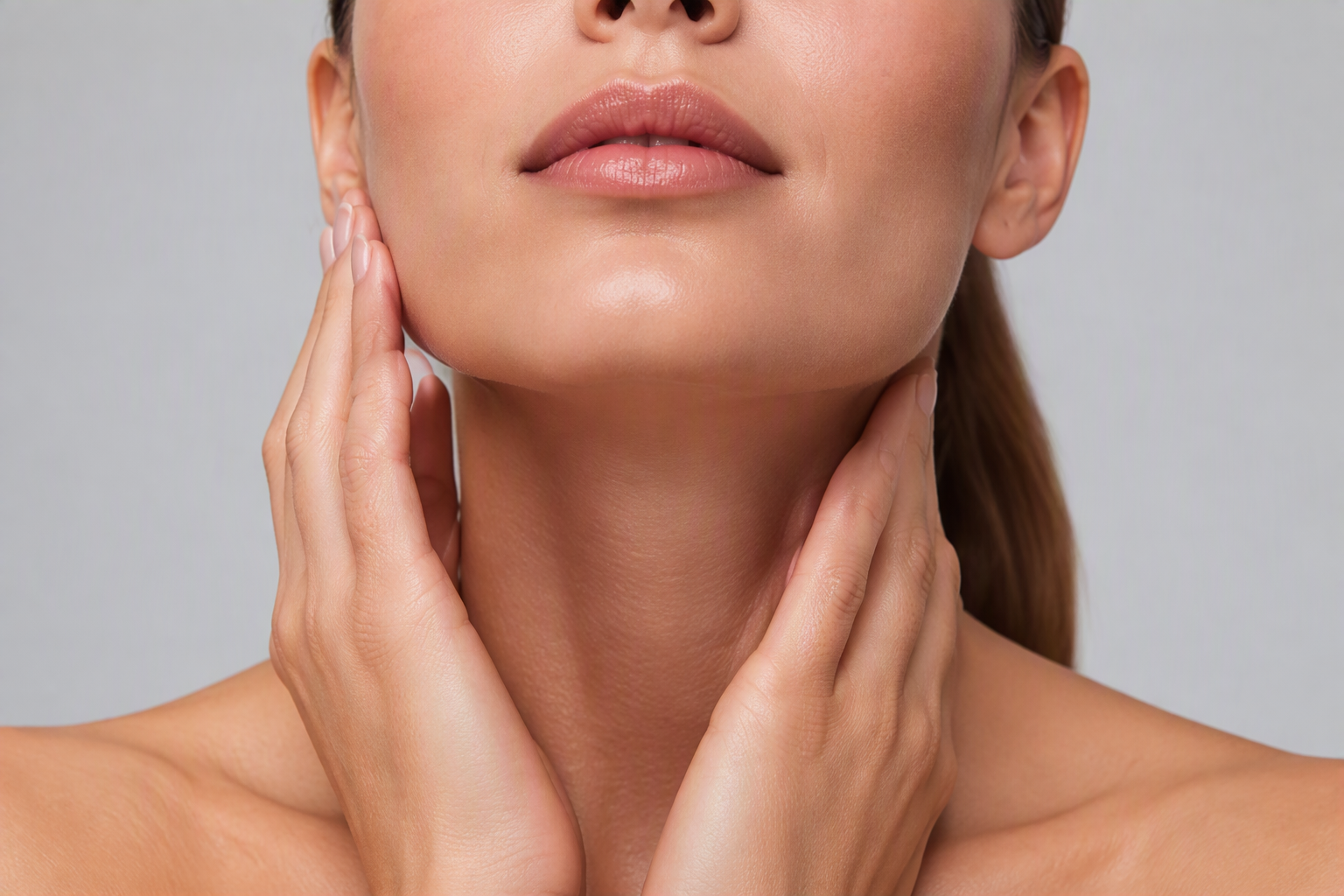
Firmness and firming effect
Assessment of morphological and contour changes associated with the firming effect of the product.
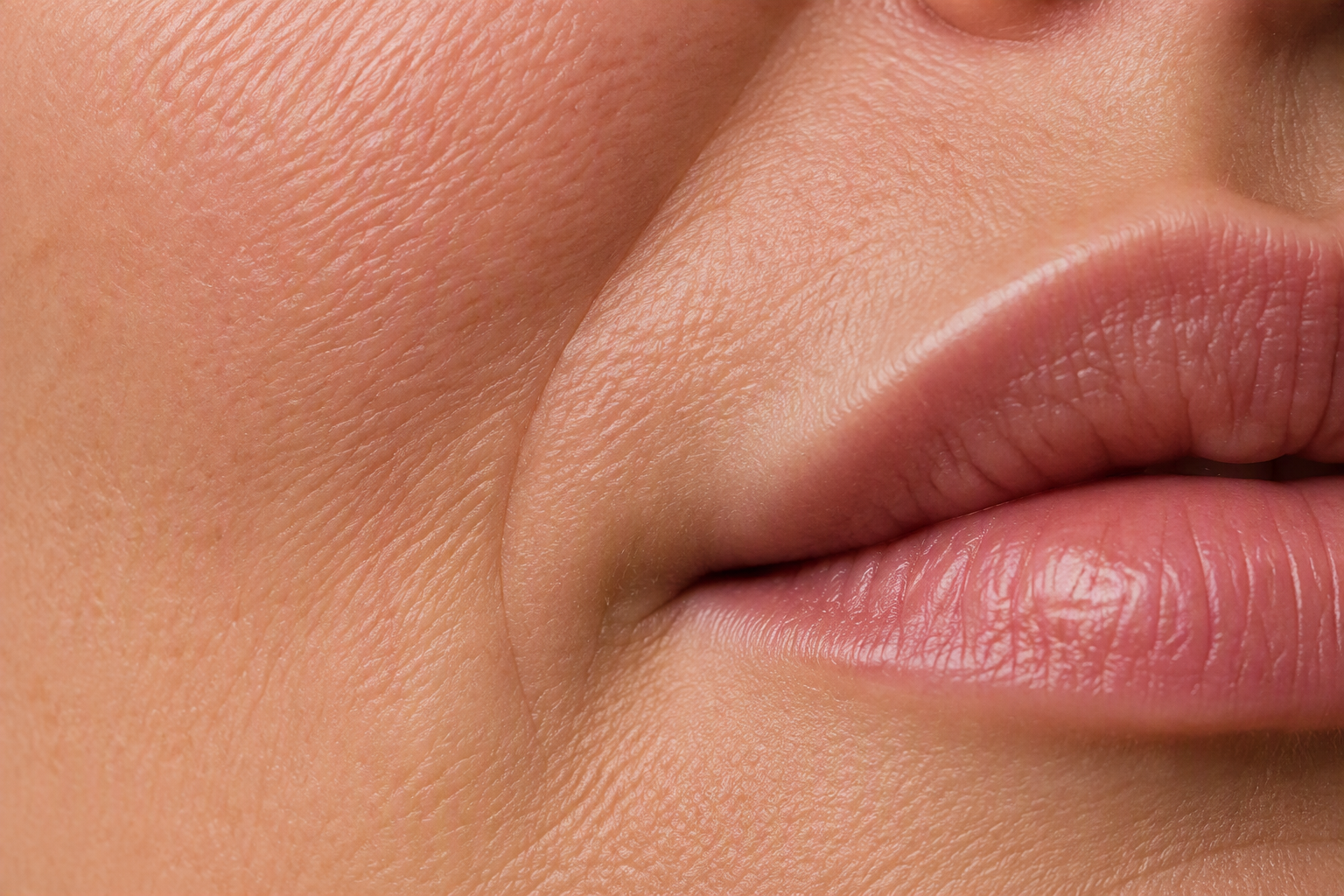
Volume and plumping effect
Quantification of volume variations in defined areas to support plumping or redensifying claims.
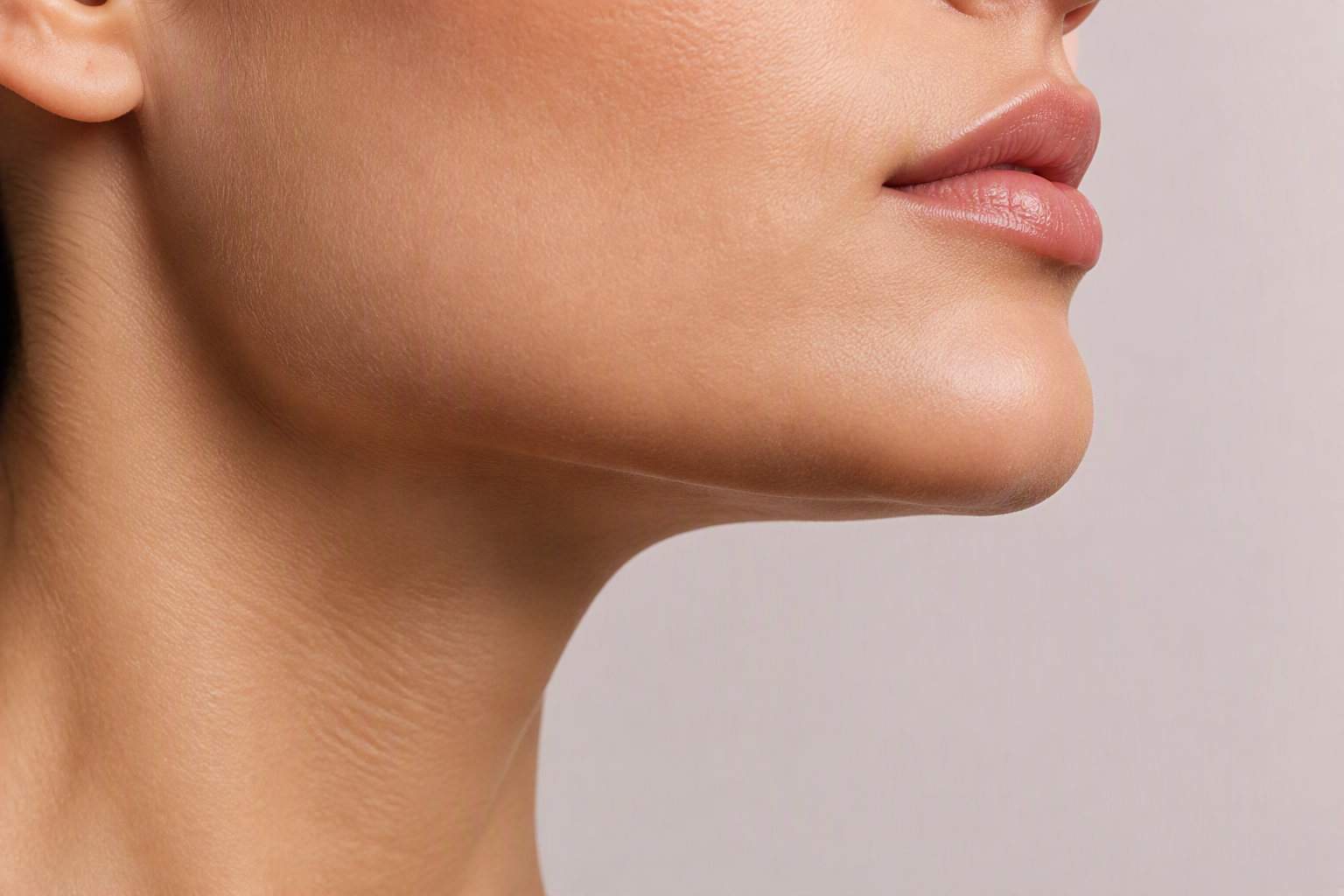
Facial contouring
Comparison of changes in the contour or morphology of selected facial areas.
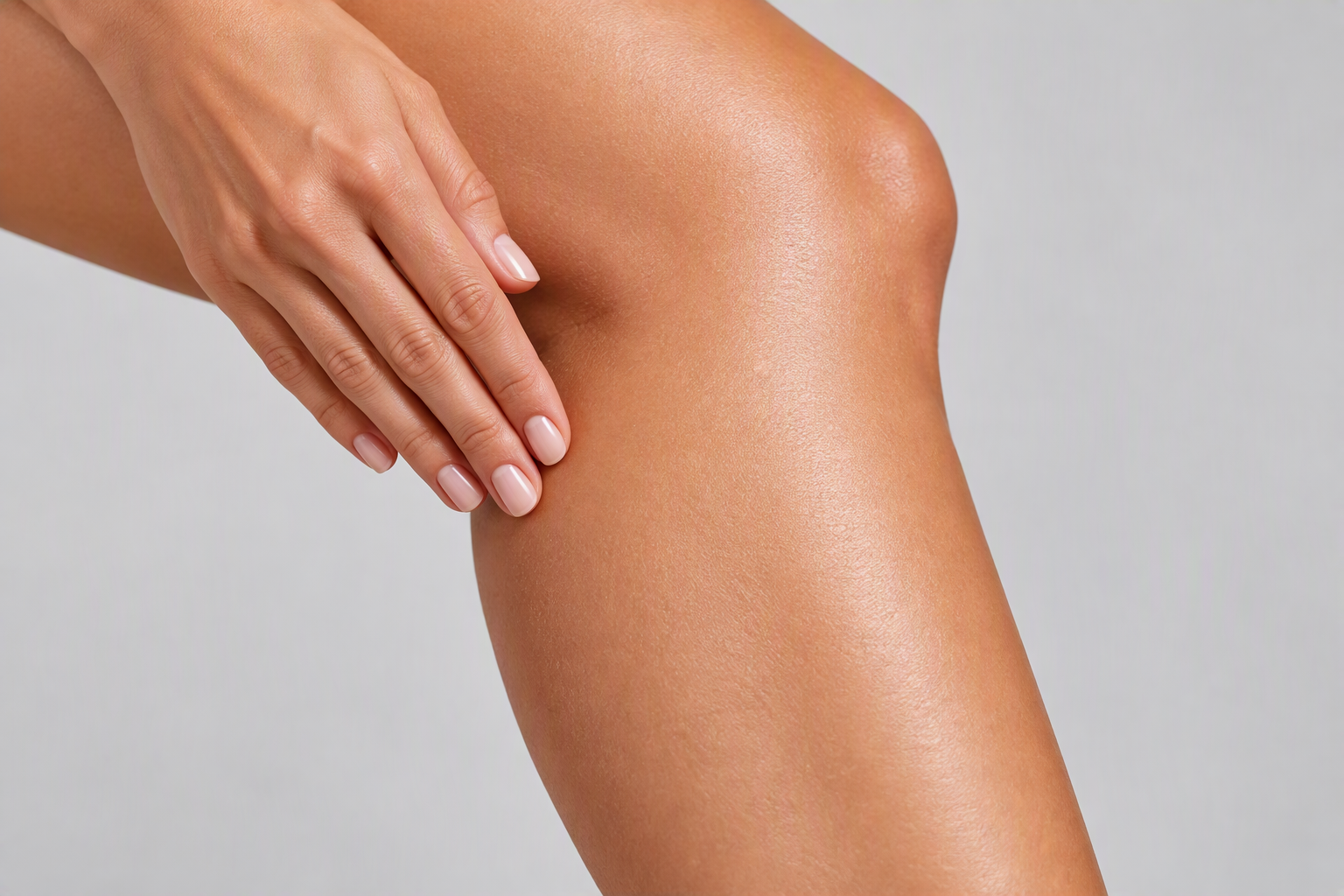
Body contouring
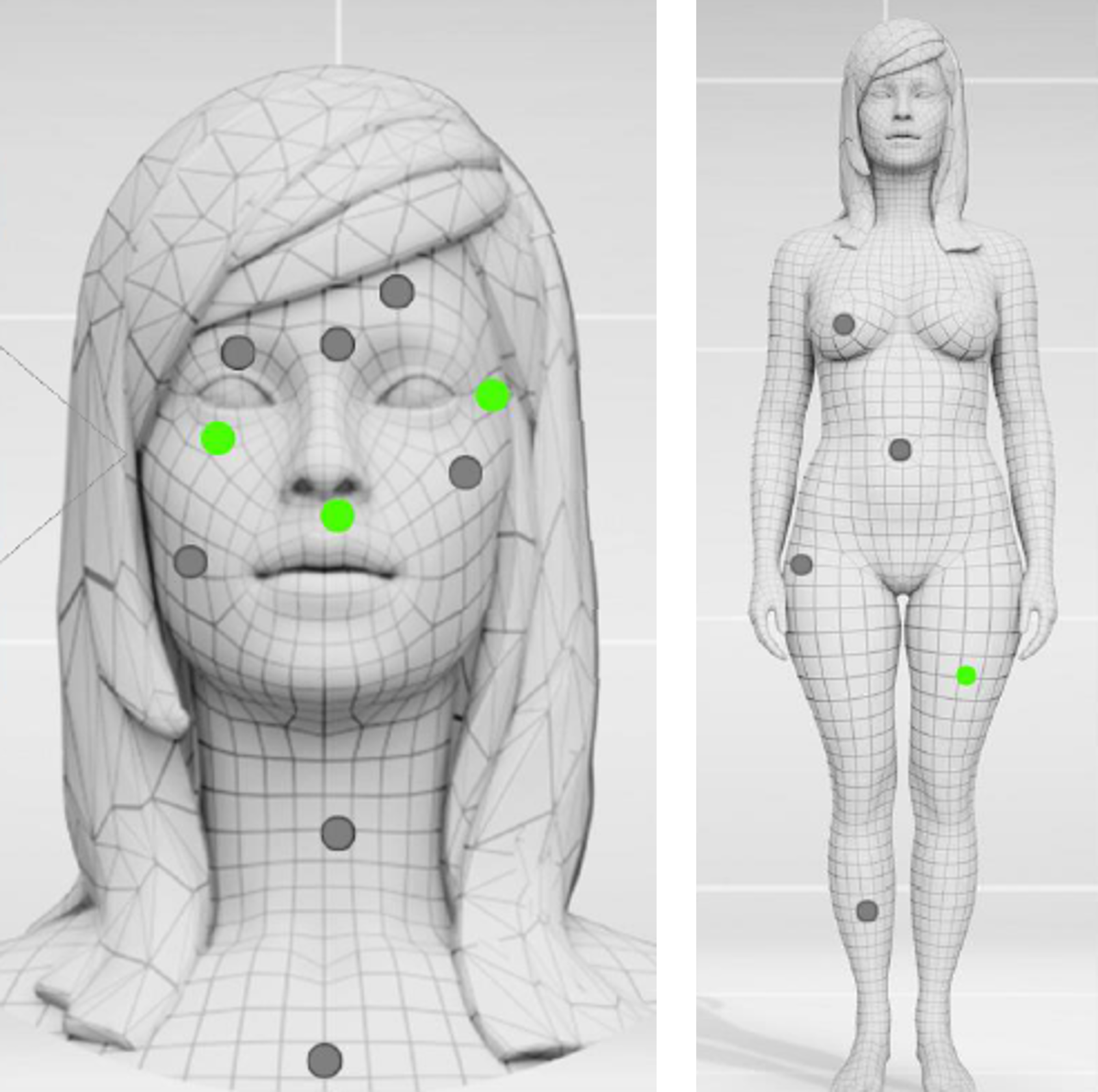
Three-dimensional monitoring of body areas to assess changes in volume, surface area or contour.
HOW IS THE TEST CARRIED OUT?

Definition of the objective
The claim to be supported, the product type and the assessment area are identified.

Protocol design
The sample, conditions of use, measurement time points and analysis parameters are established.

Three-dimensional capture
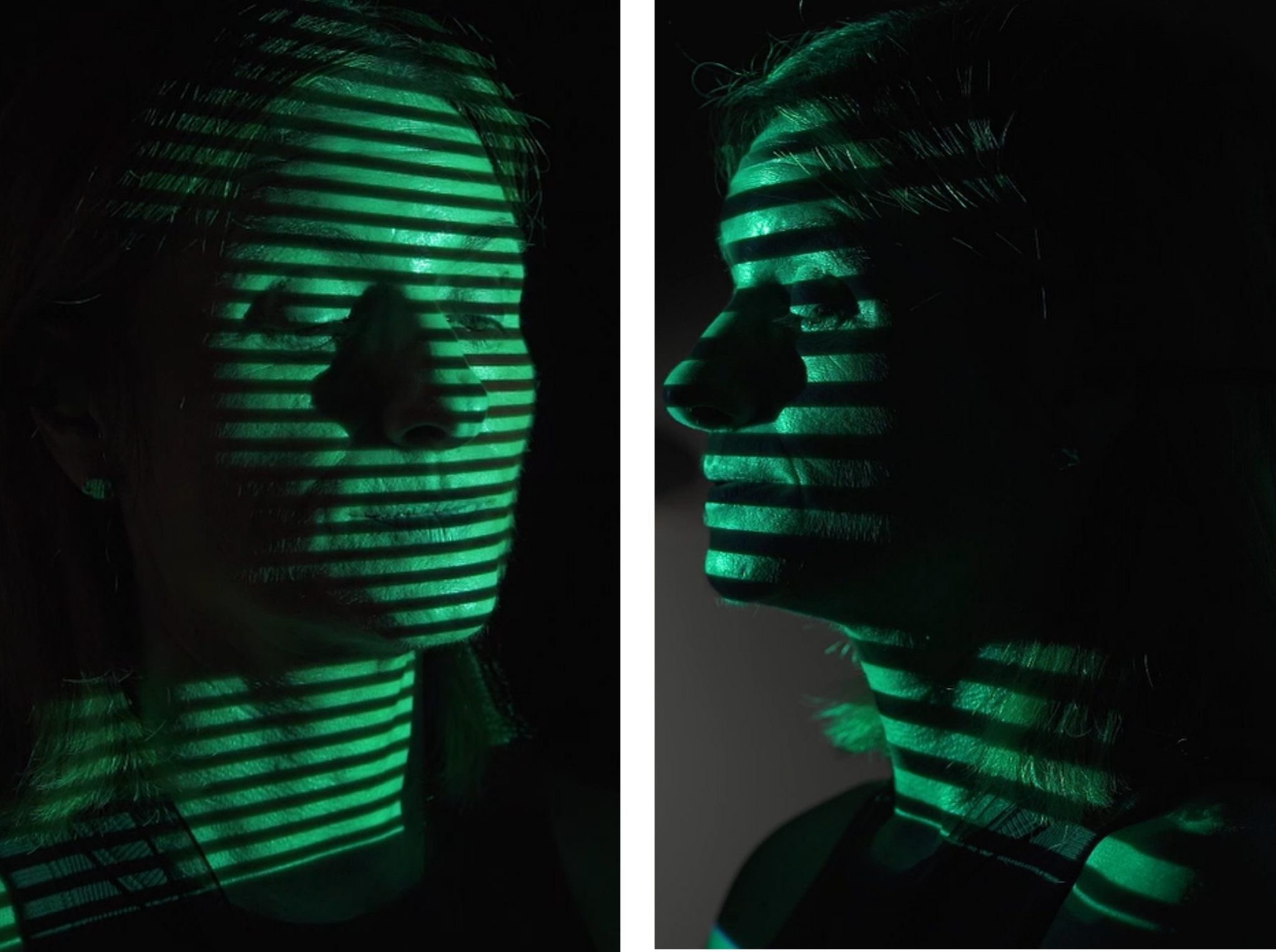
3D images of the selected area are captured under controlled and reproducible conditions.
Reconstruction and alignment
The software generates digital models and enables comparison of the images captured at different time points.
Quantitative and visual analysis
The defined parameters are calculated and maps, profiles or comparisons showing the evolution are generated.

Technical report
AITEX provides the study results and the corresponding interpretation in accordance with the established protocol.
3D methodology and specialised software
Three-dimensional capture of the study area
Image acquisition provides a detailed record of the geometry of the analysed surface and an objective basis for comparing the different time points of the test.
Digital reconstruction and 3D design
Specialised software transforms the captures into three-dimensional models on which areas can be defined, surface topography studied and the observed changes visually represented.
Alignment and comparison over time
Images captured before, during or after product use are aligned to compare the same area and analyse its evolution consistently.
Quantification and representation of results
The methodology combines numerical parameters with 3D visualisations, colour maps, profiles or comparisons that facilitate the technical interpretation of the results.
FAQS ABOUT 3D ANALYSIS OF COSMETIC CLAIMS
What is 3D skin analysis?
It is a methodology that generates three-dimensional models of a skin area to study its surface, topography, morphology or volume and compare the changes produced during a cosmetic efficacy study.
What is 3D design and analysis software used for?
It enables the assessed area to be digitally reconstructed, captures to be aligned, analysis areas to be defined, parameters to be quantified and the observed evolution to be represented visually.
Which cosmetic claims can be assessed?
It can be applied to studies relating to wrinkles, expression lines, texture, roughness, firmness, volume, plumping effects and facial or body contouring, provided that the study design is appropriate for the claim.
How does it differ from conventional photography?
In addition to visual images, 3D analysis makes it possible to study geometric information and obtain quantifiable parameters relating to the surface or volume analysed.
Can before-and-after results be compared?
Yes. The protocol may include captures at different time points to analyse changes in the same area during the study.
Does 3D analysis replace other instrumental techniques?
Not necessarily. It can be used independently or combined with other instrumental, clinical or perception assessments depending on the claim and the objective of the study.
Which types of products particularly benefit from this test?
Products with a high water content, natural cosmetics, formulations with a low preservative load or products intended for specific uses may particularly benefit from this type of assessment.
Which products can be studied?
The methodology can be applied to facial and body products whose efficacy produces assessable changes in the surface, topography, morphology or volume of the analysed area.
What results does the company receive?
AITEX issues a technical report detailing the methodology applied, the parameters assessed and the quantitative and visual results defined in the protocol.
REQUEST MORE
INFORMATION
If you would like further information, please complete and submit the form and we will get in touch with you