COSMETIC
EFFICACY
STUDIES
REQUEST MORE INFORMATION
COSMETIC
EFFICACY
STUDIES
REQUEST MORE INFORMATION
COSMETIC EFFICACY STUDIES TO SUBSTANTIATE COSMETIC PRODUCT CLAIMS
At AITEX, we carry out cosmetic efficacy studies designed to substantiate cosmetic product claims objectively and on a sound scientific basis. Our tests make it possible to validate claims relating to moisturisation, anti-wrinkle action, firmness, elasticity, soothing effect, sun protection, sebum regulation, depigmenting action and other functional properties, using instrumental, clinical and consumer perception methodologies.
WHAT ARE COSMETIC EFFICACY STUDIES?
Cosmetic efficacy studies make it possible to demonstrate the benefits of a product objectively and on a sound scientific basis, and to validate the claims communicated to consumers.
Through instrumental tests, clinical assessments and consumer studies, it is possible to substantiate properties such as moisturisation, firmness, wrinkle reduction, soothing effect and sun protection.

COSMETIC CLAIMS
Cosmetic claims are the statements that communicate the benefits and properties of a product to consumers. To be used lawfully and transparently, they must be supported by objective and scientifically demonstrable evidence.
At AITEX, we carry out tests tailored to different types of cosmetic claims, providing scientific evidence that supports commercial communication and compliance with applicable regulations. We generate objective evidence for the validation of cosmetic claims, supporting product positioning and differentiation.
COSMETIC CLAIMS VALIDATION
-
Scientific validation of cosmetic claims to demonstrate the efficacy of your products
-
Instrumental, clinical and consumer perception studies
-
Objective results supported by rigorous statistical analysis
-
Technical advice on meeting the requirements of the EU Cosmetics Regulation
Facial and body efficacy
Consumers increasingly demand products that deliver visible, measurable benefits for the skin of the face and body. At AITEX, we develop efficacy studies tailored to different cosmetic categories, providing objective evidence that supports the main claims on the market and helps differentiate formulations in a highly competitive environment.
Skin moisturisation
Moisturisation studies assess the ability of a formulation to increase and maintain the water content of the skin. The results provide objective evidence for claims relating to immediate and long-lasting moisturisation and improved skin comfort.
Firmness and firming effect
Assessing skin firmness and elasticity makes it possible to quantify improvements associated with smoother, more toned skin. These studies are relevant to facial and body care products with a firming effect.
Anti-ageing and wrinkle reduction
Anti-ageing studies analyse changes relating to wrinkles, expression lines, texture and overall skin quality. The data obtained help to substantiate claims associated with skin rejuvenation and improvement.
Soothing effect
Soothing efficacy can be assessed using parameters relating to the reduction of irritation, itching or tightness. These studies are relevant to products intended for sensitive or reactive skin.
Improved barrier function
The integrity of the skin barrier plays a role in protecting the skin and maintaining its balance. These studies assess the contribution of a formulation to maintaining hydration and resistance to external factors.
Anti-acne
Anti-acne studies analyse the contribution of a formulation to improving the appearance of acne-prone skin. The results can support claims relating to the reduction of visible blemishes.
Excess sebum control
Assessing sebum-regulating activity determines the ability of a formulation to help balance oily or combination skin. These studies provide objective evidence relating to reduced shine and a less oily appearance.
Skin smoothness and texture
Changes in skin smoothness, evenness and roughness can be quantified through texture studies. These assessments provide objective evidence of the benefits associated with exfoliating, renewing and moisturising products.
Depigmentation and even skin tone
The assessment of depigmenting products analyses changes relating to dark spots and hyperpigmentation. The results provide evidence of a more even skin tone and an improvement in the overall appearance of the skin.
Radiance and glow effect
Assessing skin radiance provides objective evidence of improvements associated with more radiant, even and revitalised skin. It is particularly relevant to products designed to combat signs of fatigue and dullness.
Hair care efficacy
Hair care goes far beyond cleansing or conditioning. Consumers look for products that improve attributes such as strength, shine, softness, frizz control and hair density, while also contributing to scalp balance and wellbeing. At AITEX, we develop specific efficacy studies to assess these benefits objectively, generating scientific evidence that supports product claims and adds distinctive value to the brand.

Anti-hair loss and hair strengthening
Assessment of products designed to reduce hair loss and improve the appearance, strength and vitality of the hair. These studies support claims relating to hair strengthening.
Oily or sensitive scalp
Analysis of formulations designed to balance the scalp and improve its comfort. Applicable to products for oil control or sensitivity.
Hair volume, density and body
Assessment of benefits relating to increased volume and visual density of the hair. These studies support claims associated with fuller-looking hair.
Shine, softness and ease of combing
Analysis of parameters relating to hair shine, softness and manageability. These studies provide objective evidence of improvements perceived by consumers.
Anti-dandruff
Assessment of the efficacy of treatments designed to reduce visible dandruff. The results demonstrate an improvement in the overall condition of the scalp.
Hair fibre protection and repair
Analysis of benefits relating to fibre strength, hydration and reduced breakage. Applicable to hair protection and repair products.
Anti-frizz effect
Assessment of a formulation’s ability to control frizz. These studies support claims relating to smoother, more manageable hair.
Hair fibre analysis
Characterisation of the condition of the hair fibre before and after the application of cosmetic treatments. This makes it possible to demonstrate objectively the changes produced in the hair.
Colour protection
Assessment of how well colour intensity, evenness and shine are maintained in treated hair. Particularly relevant to products designed to prolong the life of cosmetic hair colour.
Protection against external agents
Analysis of protective capacity against UV radiation, pollution, heat and other environmental factors. These studies provide evidence of the preservation of hair quality and appearance.
Sun care product efficacy. Sun protection
Sun protection products require specific studies to demonstrate objectively their efficacy and the level of protection they provide against the effects of solar radiation. At AITEX, we carry out sun protection studies using in vitro and in vivo methodologies to assess SPF, UVA protection, water resistance and new parameters for protection against blue light and infrared radiation, providing reliable results for the development, validation and marketing of sun care products.
UVA-UVB protection / SPF
Declared level of protection and labelling category.
UVA protection
Protection against photoageing and cumulative damage.
Broad spectrum
Balanced UVA and UVB coverage.
Water resistant
Efficacy maintained after exposure to water.
Very water resistant
Efficacy after prolonged or repeated immersion.
Sweat resistant
Stability during physical activity or in hot conditions.
Sand resistant
Film adhesion and durability.
Blue light protection
Attenuation of HEV radiation.
Infrared protection
Support for environmental protection and anti-ageing claims.
Deodorant and antiperspirant efficacy
The efficacy of products designed to control body odour and perspiration is essential to consumer perception. At AITEX, we develop specific studies to assess and support the main claims for deodorants and antiperspirants, using methodologies tailored to the needs of each product.
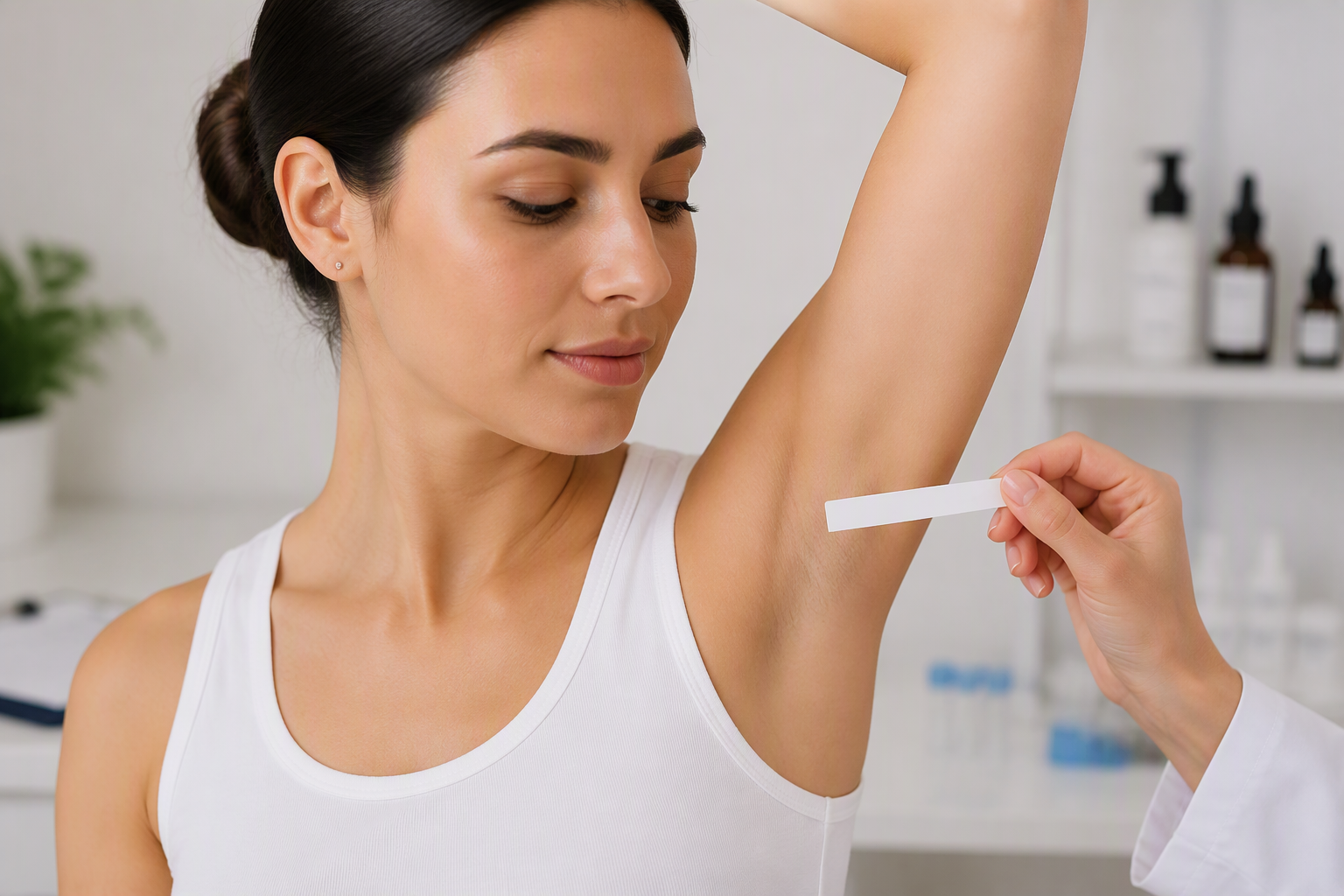
Deodorant efficacy (Sniff Test)
The Sniff Test assesses the deodorant efficacy of a product through olfactory evaluation by a panel of expert assessors. Body odour intensity is analysed in volunteers by comparing an untreated armpit (control) with one to which the deodorant has been applied.
Participants use the product beforehand to avoid interference and carry out their usual daily activities during the study. Assessments are performed at different time intervals, making it possible to analyse both malodour reduction and the duration of the deodorant effect.
Odour intensity is rated on a defined scale, producing reproducible results. This test provides robust support for claims relating to the efficacy and duration of the deodorant effect.
Antiperspirant efficacy
The antiperspirant efficacy study aims to assess the ability of a product to reduce sweat production. The test is carried out on volunteers under controlled conditions, using specific methodologies to quantify the amount of sweat produced before and after product application.
Throughout the study, standardised protocols are applied to ensure the reproducibility and reliability of the results, allowing product performance to be compared objectively. This type of measurement is essential to ensure the validity of the data obtained.
The results provide quantifiable proof of antiperspirant efficacy, forming a solid basis for substantiating this type of claim. It is a key test in the development of products in this category, providing robust scientific evidence of how they perform.
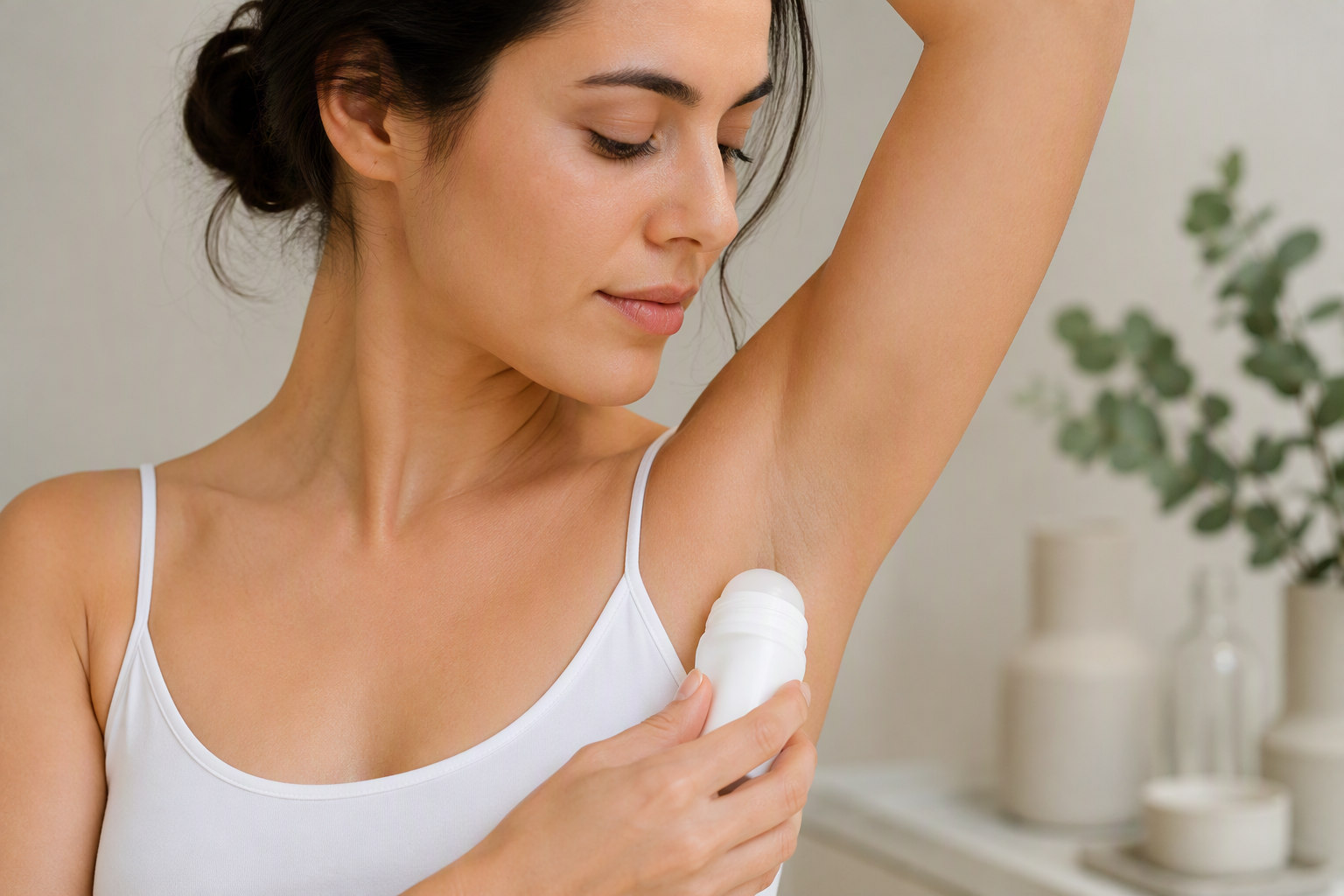

Assessment of stains and residues on fabrics
The anti-stain test assesses the tendency of cosmetic products, particularly deodorants, to leave visible stains on different types of fabric. The product is applied in a controlled manner to standardised fabrics, including white, black and other coloured fabrics, representative of different textile compositions and real-life conditions of use.
After staining, parameters such as the intensity, extent and type of mark (white residues, yellowing or colour transfer) are analysed. The test may also include standardised washing cycles to assess whether stains persist or are removed after washing.
This study is key to developing and validating “anti-stain” claims, optimising the formulation and ensuring the product is compatible with everyday use on any type of garment.
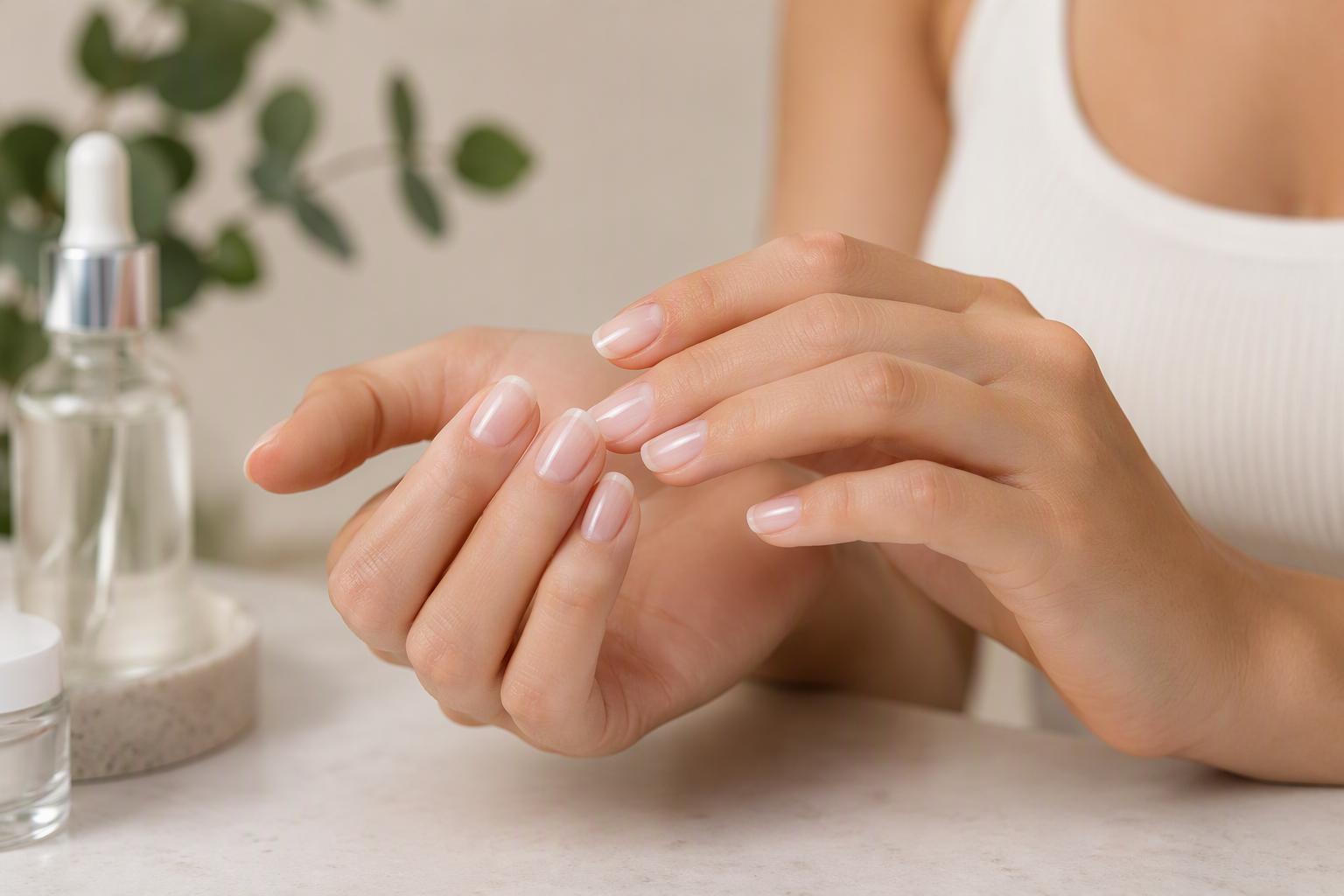
Nail care efficacy
Products designed to care for and strengthen nails require objective evidence to demonstrate their efficacy. At AITEX, we develop specific studies to assess changes in the structural properties of the nail following the application of cosmetic treatments.
Mechanical properties of the nail
Assessment of parameters relating to nail firmness, elasticity and strength. These studies support claims of strengthening and structural improvement.
Nail thickness and physical properties
Analysis of changes in thickness and other physical parameters associated with the condition of the nail. This provides objective evidence of the efficacy of the treatment assessed.
TECHNIQUES AND METHODOLOGIES USED AT AITEX TO SUBSTANTIATE COSMETIC CLAIMS
Instrumental probes for assessing cosmetic efficacy
At AITEX, we combine advanced skin analysis, hair assessment and three-dimensional modelling technologies to obtain objective, reproducible and scientifically sound data. These methodologies make it possible to quantify the benefits of a cosmetic product and provide solid evidence for the validation of cosmetic claims.
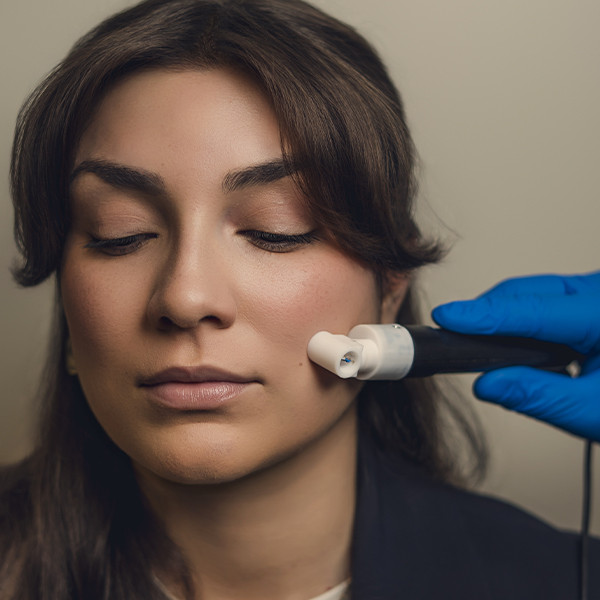
Moisturisation and barrier function
Objective assessment of superficial and deep skin hydration, as well as the skin’s ability to maintain barrier function and reduce transepidermal water loss (TEWL). These studies support claims relating to immediate and long-lasting moisturisation, protective effect and care for dry or sensitive skin.
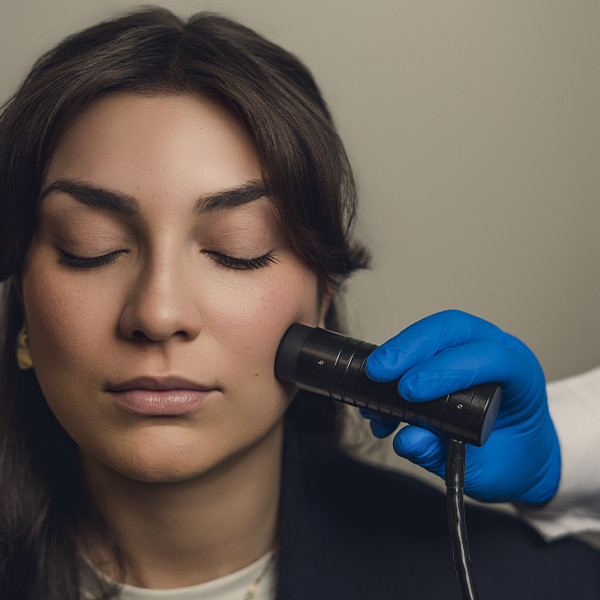
Firmness, elasticity and anti-ageing effect
Analysis of the biomechanical and structural properties of the skin to determine changes in firmness, elasticity, density and visible signs of skin ageing. These methodologies provide quantifiable proof of the efficacy of firming and anti-ageing treatments.
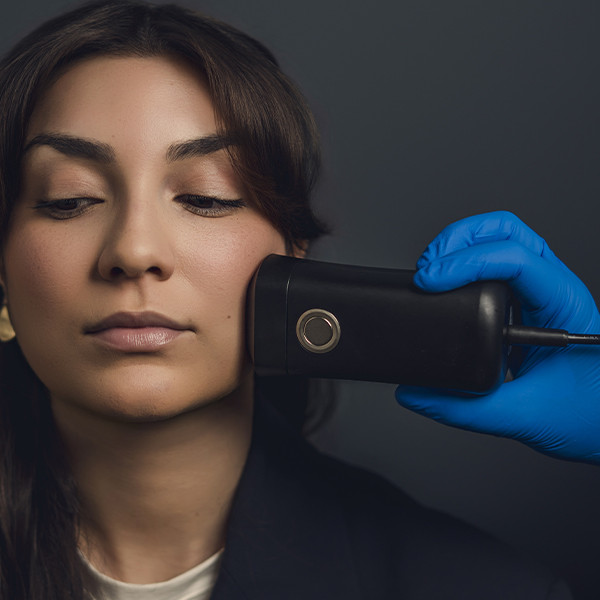
Wrinkles, texture and skin surface quality
Studies designed to assess roughness, smoothness, desquamation, wrinkle depth, texture and other parameters associated with the overall appearance of the skin. The results make it possible to quantify visible improvements and support claims relating to skin renewal and rejuvenation.
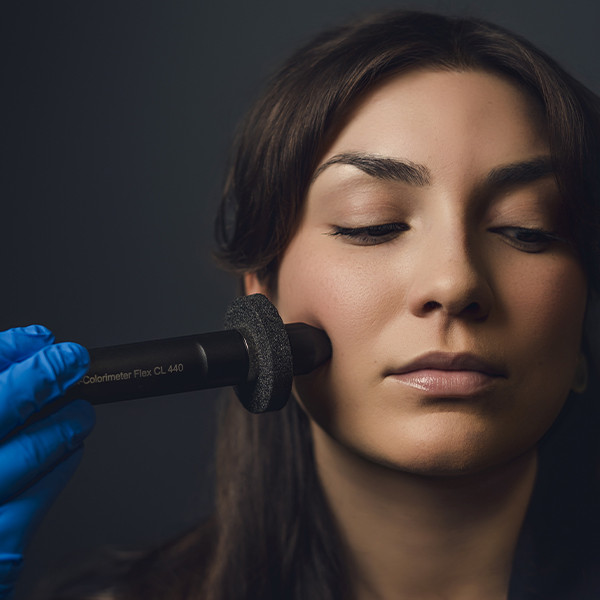
Radiance, even skin tone and depigmenting action
Assessment of parameters relating to skin radiance, tone evenness, dark spot reduction, hyperpigmentation control and colour-correcting effects. It also makes it possible to assess the soothing effect associated with reduced skin redness.
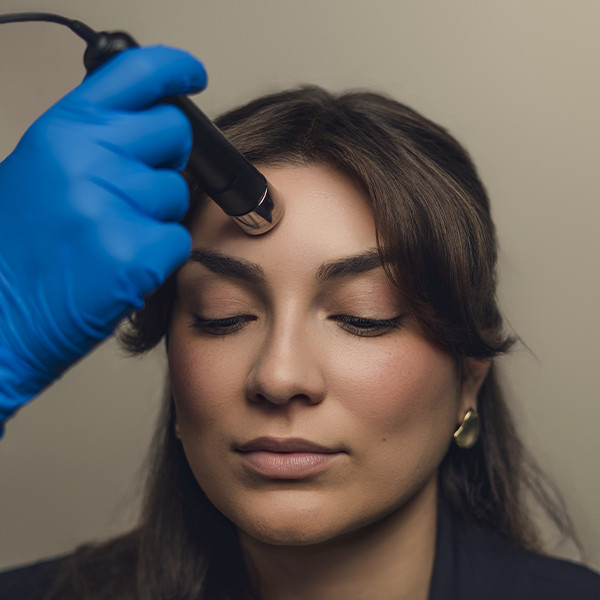
Skin comfort and sensitive skin
Assessment of parameters relating to irritation, redness, surface temperature, the physiological balance of the skin and the skin’s response to different stimuli. These methodologies make it possible to demonstrate benefits associated with a soothing effect and care for sensitive skin.
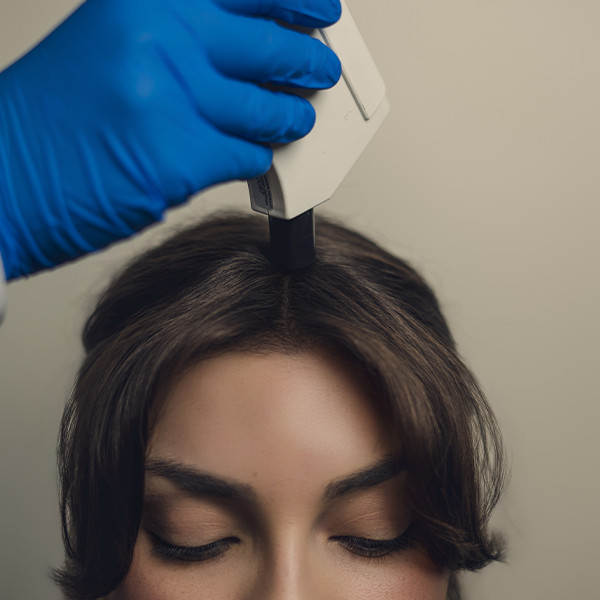
Sebum control and acne-prone skin
Objective quantification of sebum production and analysis of indicators relating to oily or acne-prone skin. These studies support sebum-regulating and mattifying claims, as well as claims relating to an improvement in the overall appearance of the skin.
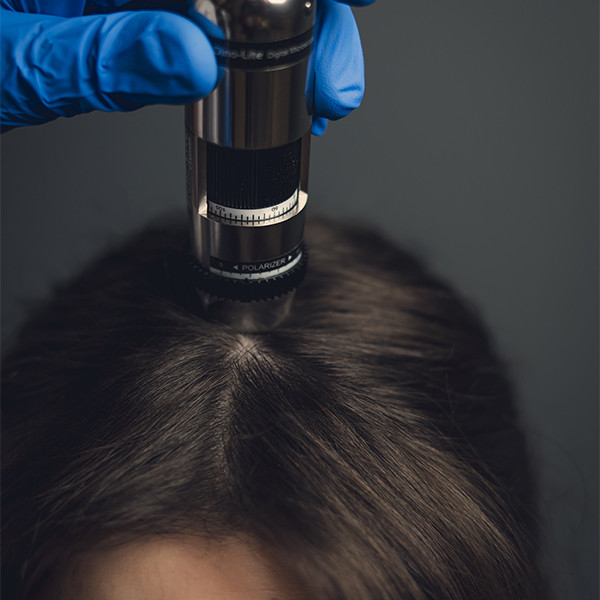
Hair and scalp efficacy
Studies designed to assess the performance of products for hair, eyelash and scalp care. They make it possible to demonstrate benefits relating to growth, improved density, hair fibre protection, sebum regulation and scalp comfort.
Shine, radiance and healthy appearance
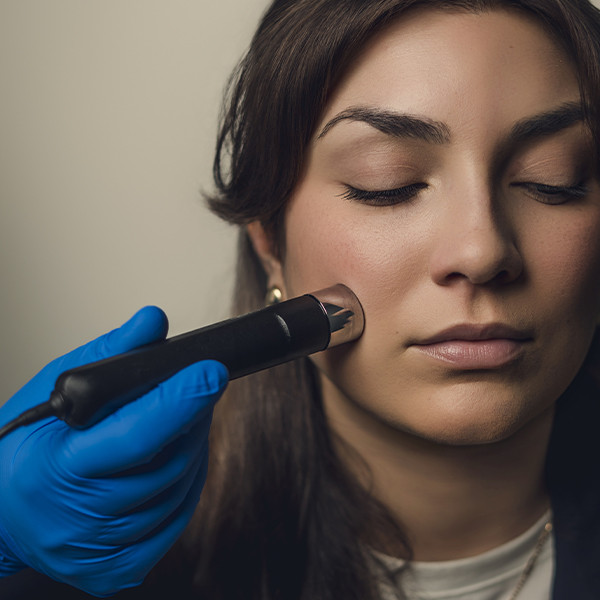
Analysis of the optical properties of skin and hair to quantify variations in surface shine and light reflection. These studies support claims relating to increased radiance, glow effect, matte finish and a healthier appearance.
Nail strength and strengthening
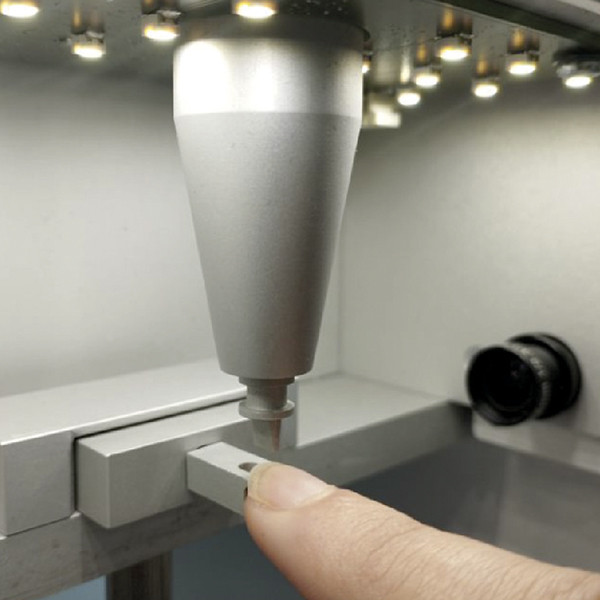
Objective assessment of the mechanical properties of nails to analyse parameters such as strength, elasticity, flexibility and hardness. These studies make it possible to demonstrate the efficacy of strengthening products and support claims relating to stronger, less brittle nails with improved structural quality.
3D analysis and visualisation of results for cosmetic claims validation
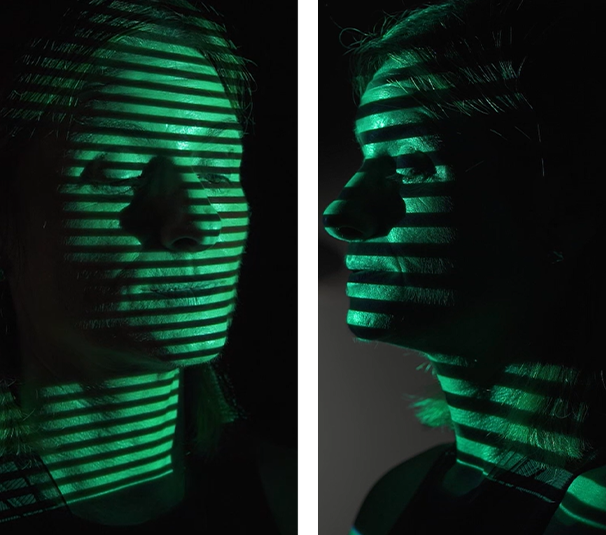
Three-dimensional skin assessment provides objective evidence of changes following the application of cosmetic products, using high-resolution images and quantifiable parameters. This technology complements traditional efficacy studies, providing visual evidence that makes results easier to interpret and communicate.
At AITEX, we have AEVA® technology, high-resolution three-dimensional scanning equipment that supports efficacy claims for body and facial cosmetics. Advanced three-dimensional analysis techniques provide a detailed representation of the skin surface and allow the changes produced after the application of cosmetic products to be visualised objectively.
Comparative 3D imaging makes it possible to identify objectively the changes produced in the skin after using a formulation. These representations make results easier to interpret and add significant visual value to cosmetic claims validation.
Sensory evaluation and consumer perception. User panels.

User perception plays a fundamental role in the acceptance and differentiation of cosmetic products. At AITEX, we offer sensory evaluation studies that objectively characterise the user experience through structured methodologies and defined assessment criteria, providing relevant information on the attributes perceived during and after application.
While instrumental studies quantify the efficacy of a product, sensory panels provide information on how users perceive and value those results during their experience of use.
REQUEST MORE
INFORMATION
If you would like further information, please complete and submit the form and we will get in touch with you