ASSESSMENT
EXTREME
AMBIENT HEAT
ASSESSING PERSONAL PROTECTIVE EQUIPMENT AGAINST EXTREME AMBIENT HEAT
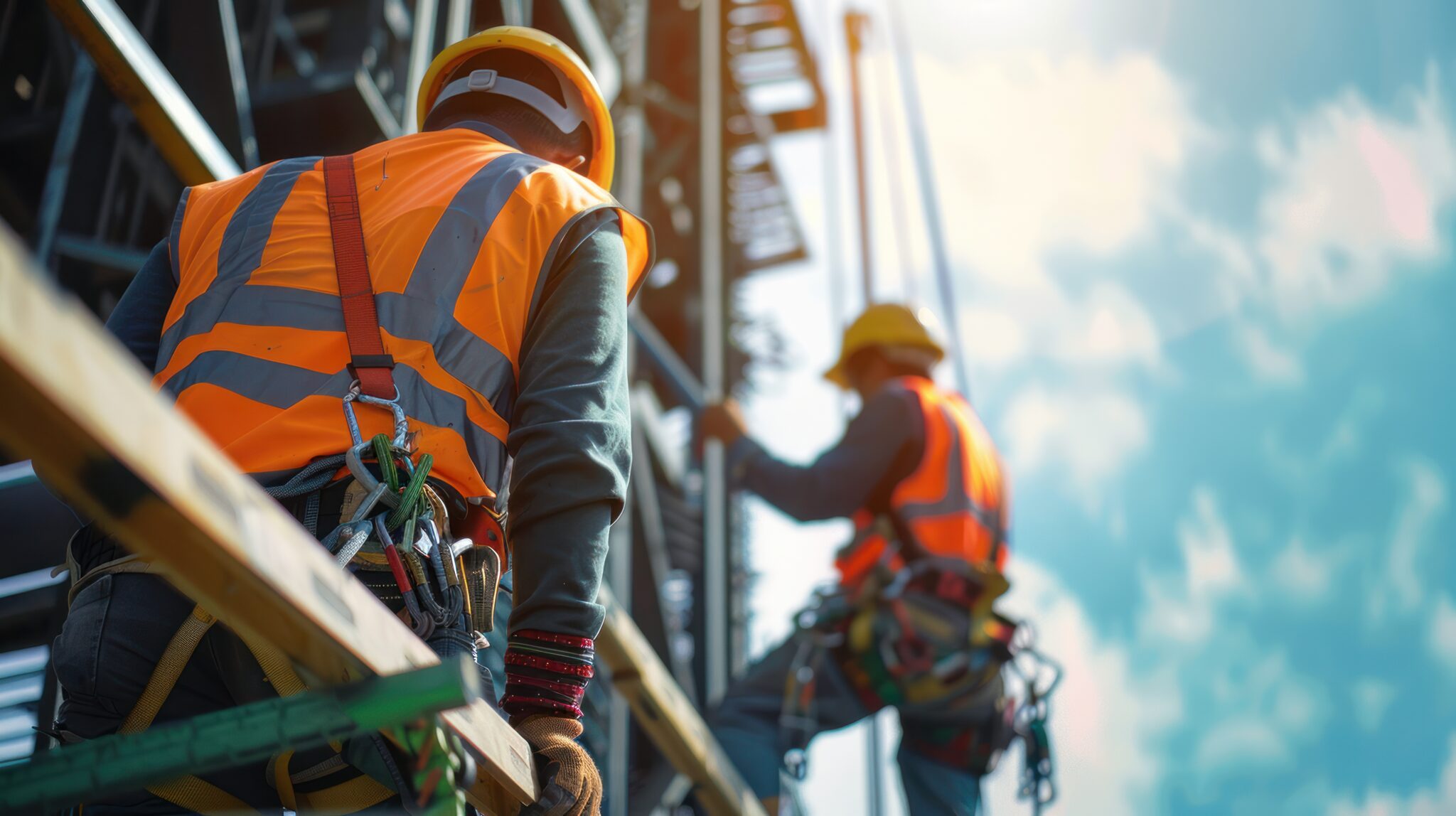
Outdoor workers are exposed to several environmental risks, particularly extremes of high or low temperatures, and the Personal Protective Equipment (PPE) they use must offer adequate protection against adverse weather conditions.
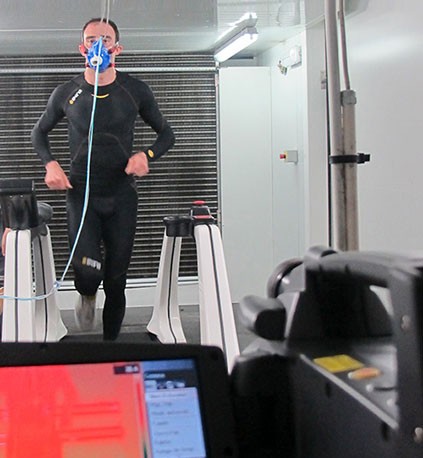
To assess how high temperatures affect the use of PPE, tests are carried out with users who are already accustomed to wearing this type of equipment. During the tests, the subject is fitted with temperature and humidity sensors and carries out tasks in a climate chamber to recreate different environmental conditions, including wind.
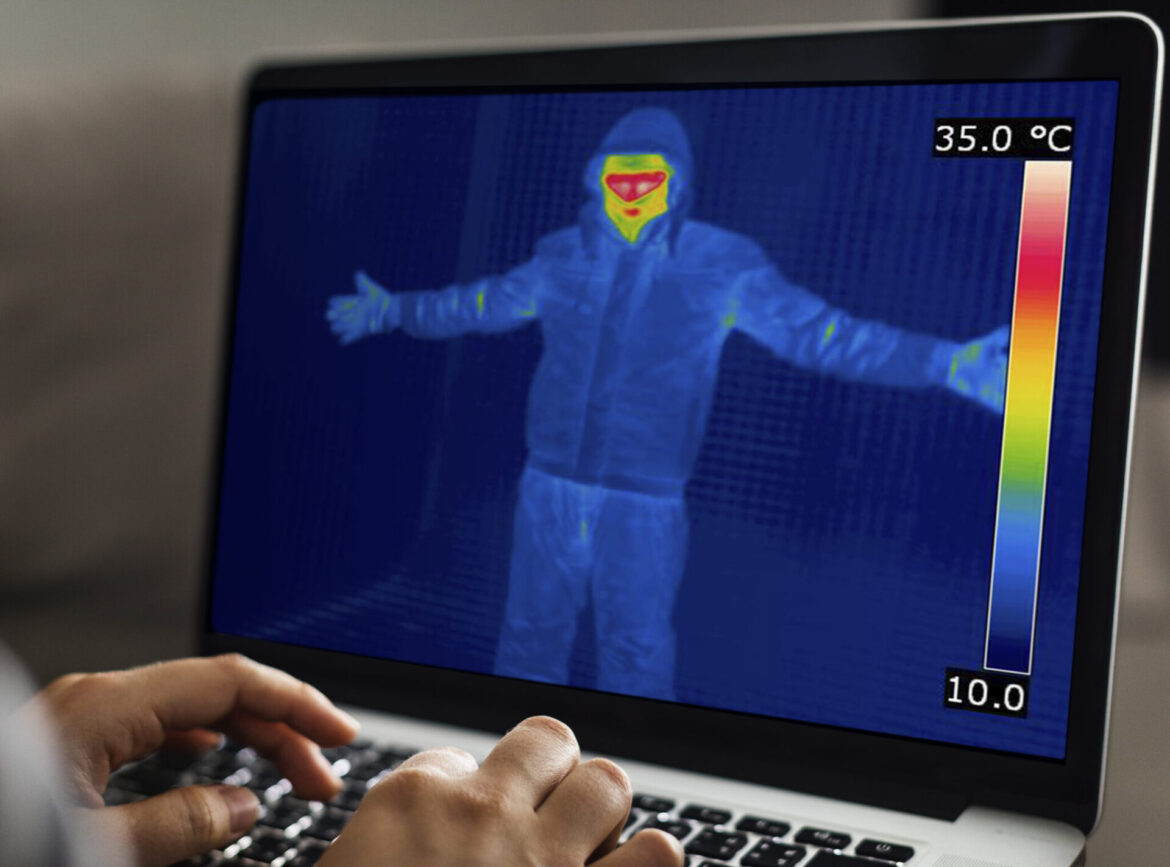
The chambers are also equipped with thermographic imaging technology that records and displays the distribution of heat throughout the body during activity. After the tests have been carried out, the subject completes a questionnaire to assess their level of comfort, as well as their personal experience of wearing the PPE. The results of the tests and the questionnaire are then studied to determine what, if any, areas of the PPE accumulate uncomfortable levels of body heat and to implement improvements to the design to prevent this and enhance thermal comfort.
EVALUATING AND SIMULATING THERMAL STRESS IN HIGH-TEMPERATURE ENVIRONMENTS
UNDER WHAT ENVIRONMENTAL CONDITIONS CAN THE SIMULATION BE PERFORMED?
The simulation can be performed under any environmental conditions of temperature, humidity and air speed, provided that these parameters pose no risk to the health or safety of the subject during the test.
The simulation reproduces moderate, as well as more demanding conditions of heat, cold and humidity, providing relevant information on the behaviour of the product under different climatic variables.
TESTS WITH THERMAL MANNEQUINS
In situations where extreme conditions are met, i.e., temperatures that are too high for human operators and where human intervention is not feasible, the test can be carried out using a thermal mannequin, which guarantees safety without compromising the validity of the results. The manikin simulates human thermoregulation and assesses the thermal insulation, breathability and comfort of garments and equipment under extreme conditions.

WHAT TYPE OF ACTIVITY CAN THE SIMULATION BE USED FOR?
The simulation can be adapted to any level of physical effort or pattern of movement, from low-demand physical tasks to high-intensity activities.
This covers industrial work, rescue operations, sports, mountain activities, or simply urban travel. The flexibility in movement simulation evaluates how physical activity affects the performance of the equipment or garment under certain conditions.
HIGH
TEMPERATURES
MAXIMUM
DEMANDS
WHAT TYPE OF PERSONAL PROTECTIVE EQUIPMENT CAN BE EVALUATED?
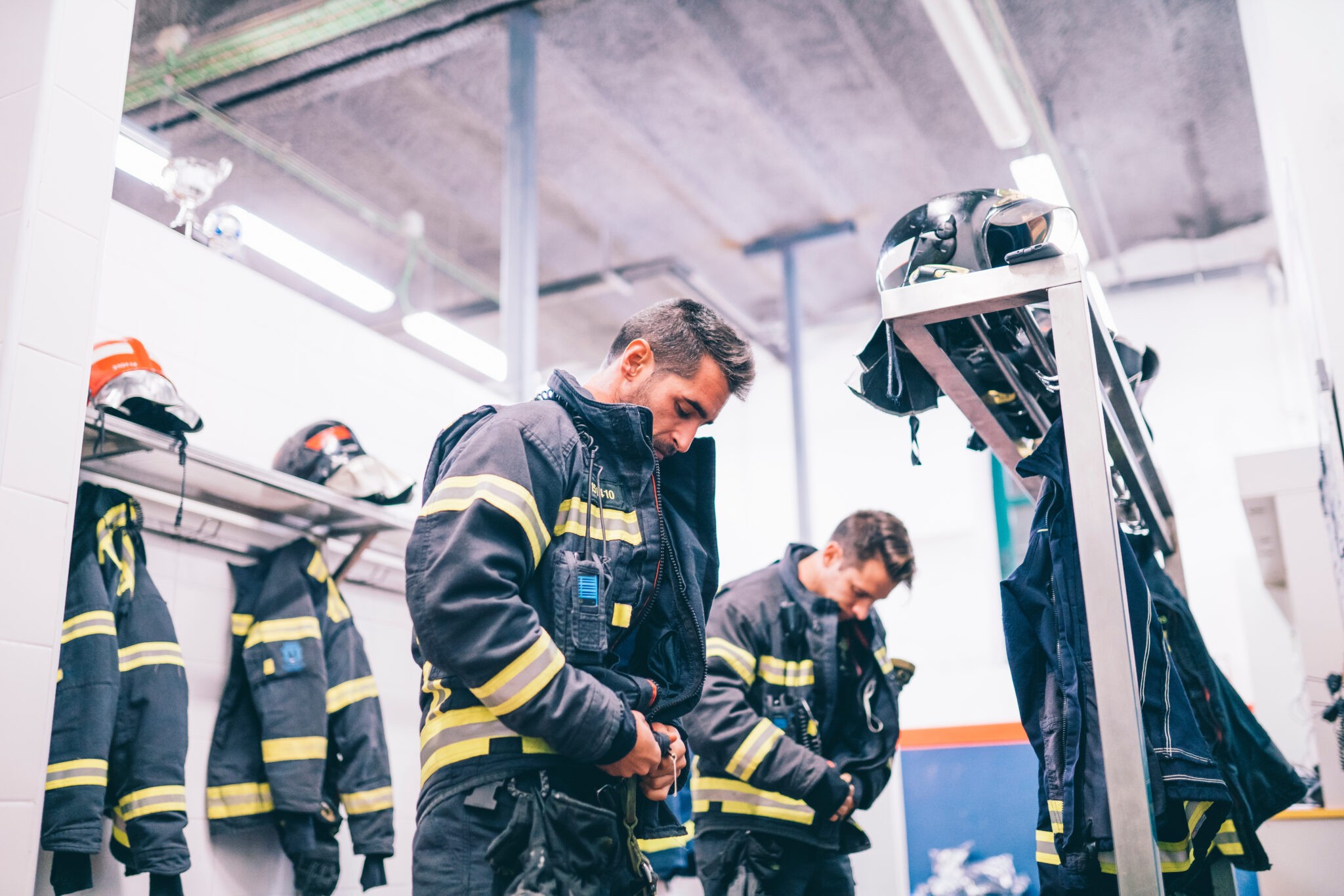
This test can be carried out on any type of item classified as Personal Protective Equipment (PPE) or workwear, including helmets, harnesses, gloves, boots, protective clothing and other safety components. The objective is to evaluate the product’s performance against various factors that may compromise its functionality, resistance, or durability under real conditions of use.
In addition, the test is applicable to garments and accessories designed for high-performance sports, activities in demanding environments such as mountains or other extreme climates, and even streetwear or everyday clothing that, due to its technical characteristics or consumer expectations, requires additional of performance and useful life.
WHAT TYPE OF DATA DO THE TESTS PROVIDE?
Simulation tests provide accurate and relevant data on the performance of PPE under real conditions of use, specifically:
> The identification of possible thermal stress situations to which the worker could be exposed.
> The evaluation of the level of thermal comfort provided by the equipment in different environmental scenarios.
> The detection of specific areas of the PPE where heat is concentrated, which can guide improvements in design and material selection.
> A comparative analysis with other commercially-available products to facilitate decision-making in product development or procurement processes.

REQUEST MORE
INFORMATION
Si desea recibir más información rellene y envie el formulario, y nos pondremos en contacto con usted.
WHAT ARE THE ADVANTAGES OF THE EXTREME ENVIRONMENTAL HEAT EVALUATION SERVICE?
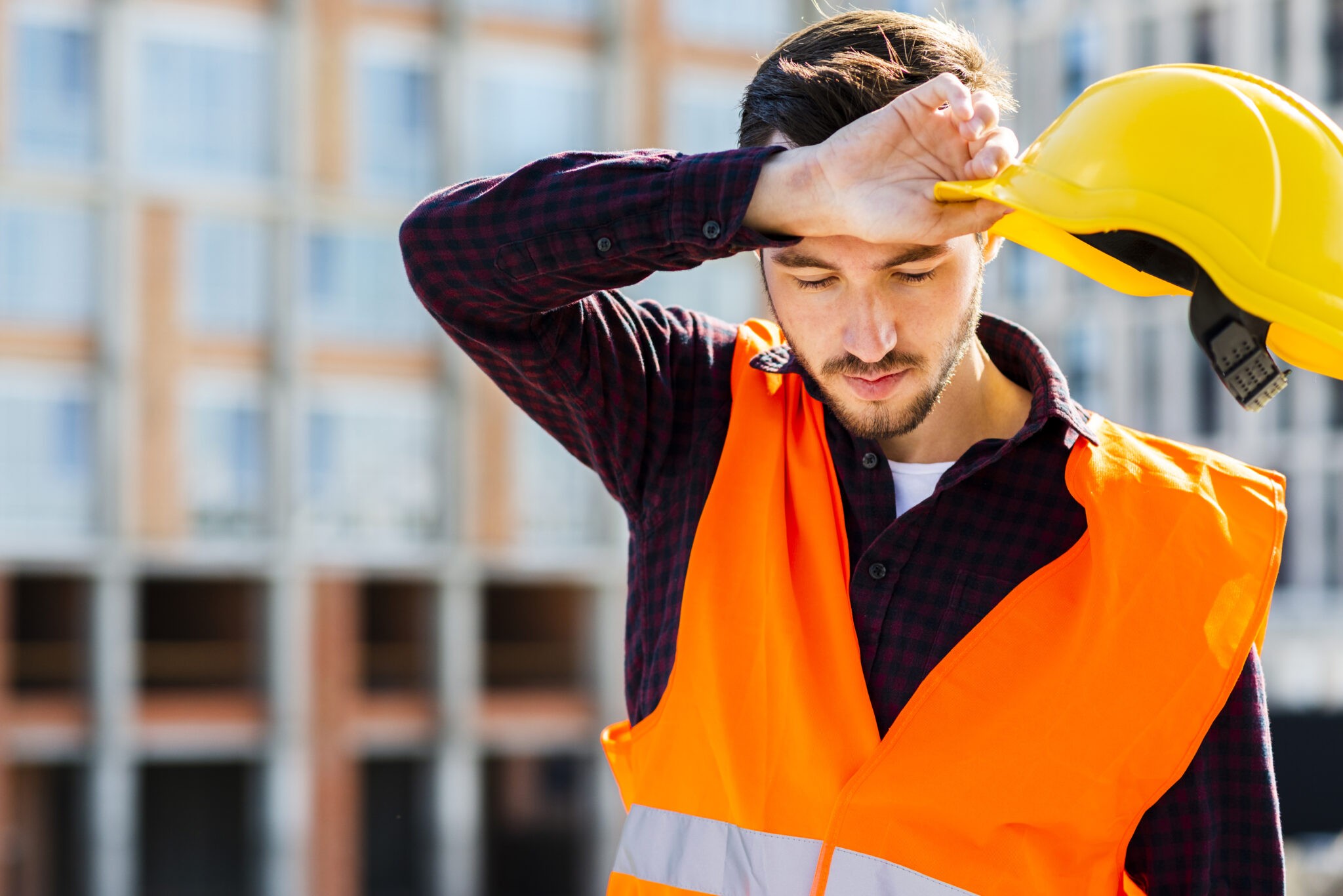
> The impact of heat stress on workers: Heat stress, particularly that caused by high temperatures, can impair workers’ cognitive abilities, affect their performance and increase occupational risk.
> The lack of protection against heat: while there are European certifications in place which have been designed to evaluate a PPE’s performance in the cold, there is no similar standard to evaluate ambient heat protection, and this leaves workers at risk and lacking adequately certified equipment..
In view of this shortcoming, AITEX created a series of tests to assess whether PPE can cause heat stress to the user depending on the heat conditions in which it is used.