LIMITED AND DIRECTED
ELECTRIC ARC
BOX TEST
PROTECTION AGAINST THERMAL HAZARDS CAUSED BY ELECTERIC ARCS
When working on electrical installations, operators and personnel involved in the assembly, installation, maintenance and repair of equipment are at risk of receiving burns caused by electric arcs in the event of a short circuit.
An electric arc is produced when two electrodes at differing potentials are in proximity to each other and can be the result of human error or a technical fault. The potential consequences include:
> Extremely high temperature
> Increased pressure and evaporation
> Increased risk of molten metal projection
> Heat flow effects
> Noise
> UV emissions
> Hot oil
> Physical shock
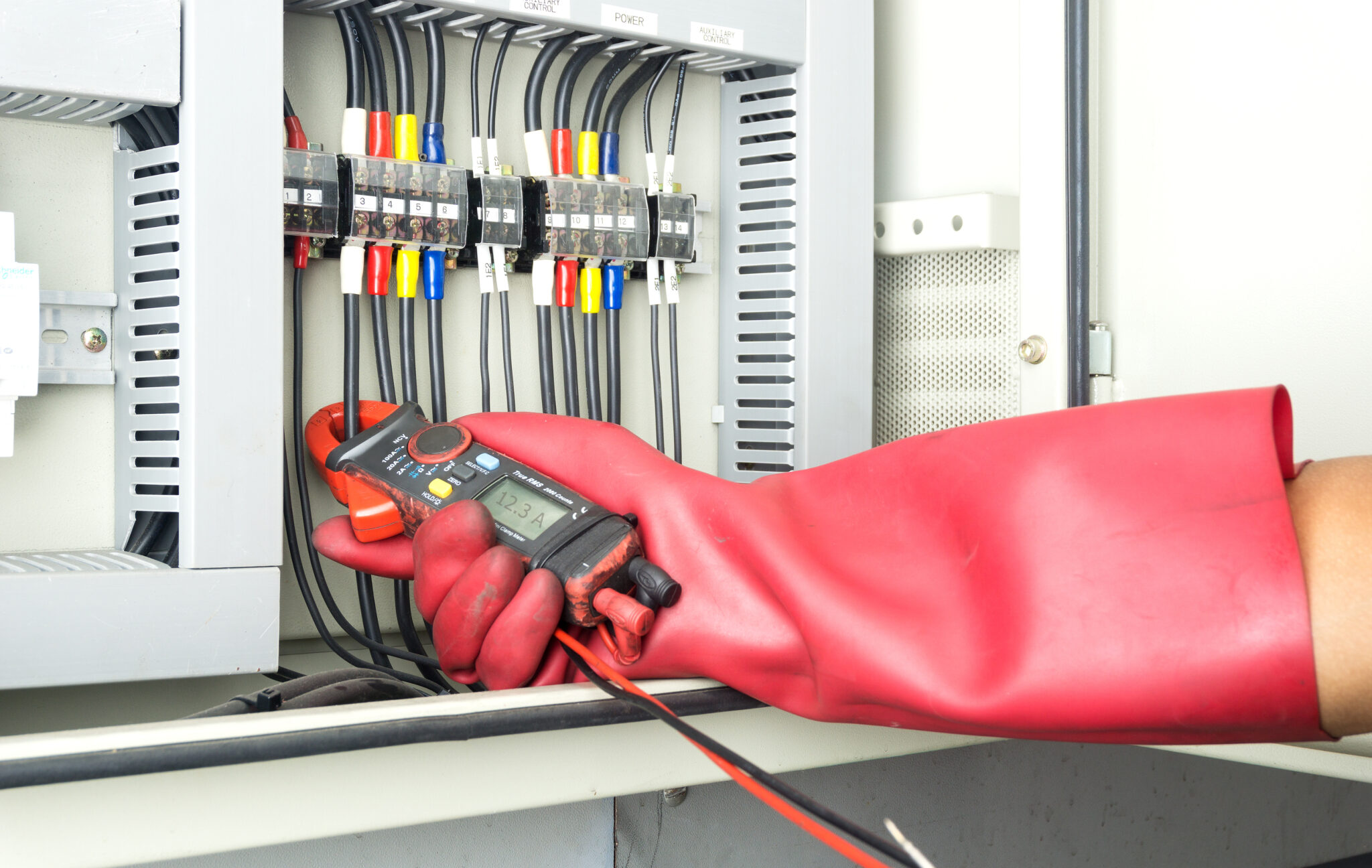

It is obviously ideal to eliminate the risk entirely, although this is not always possible due to operating conditions and other circumstances. This requires the use of Personal Protective Equipment (PPE) to protect operators from the risk of receiving an electric arc shock.
Before beginning work, the first step is to assess carefully the working environment to determine the possible level of exposure and the protective precautions required. The severity of an electric arc depends on the energy that may be generated, duration and proximity to the operator and must be performed by qualified occupational risk prevention specialists.
It is also essential to evaluate and classify the PPE being used to ensure that it meets the minimum safety standards and complies with established minimum safety requirements.
LEADERS CERTIFYING
INDIVIDUAL PROTECTION
EQUIPMENT (PPE)
ASSESSING BURNS CAUSED BY AN ELECTRIC ARC (BOX TEST)
ASSESSING BURNS CAUSED BY AN ELECTRIC ARC
The degree of damage caused by an arc on different materials – clothing, gloves or face shields – is quantified to ensure that the garment itself does not further aggravate the consequences for the wearer in the event of exposure.
The transmission of heat through the material is also evaluated to determine the degree of protection offered and to ensure it meets arc protection requirements.
DETERMING THE CLASS OF PROTECTION USING A LIMITED AND DIRECTED ARC (BOX TEST) FOR MATERIALS AND GARMENTS
The PPE or material is exposed to an electric arc inside a specific box with a specified electrode arrangement for a period of 0.5 seconds.
> Class 1 – corresponds to an arc of 4 kA
> Class 2 – corresponds to an arc of 7 kA
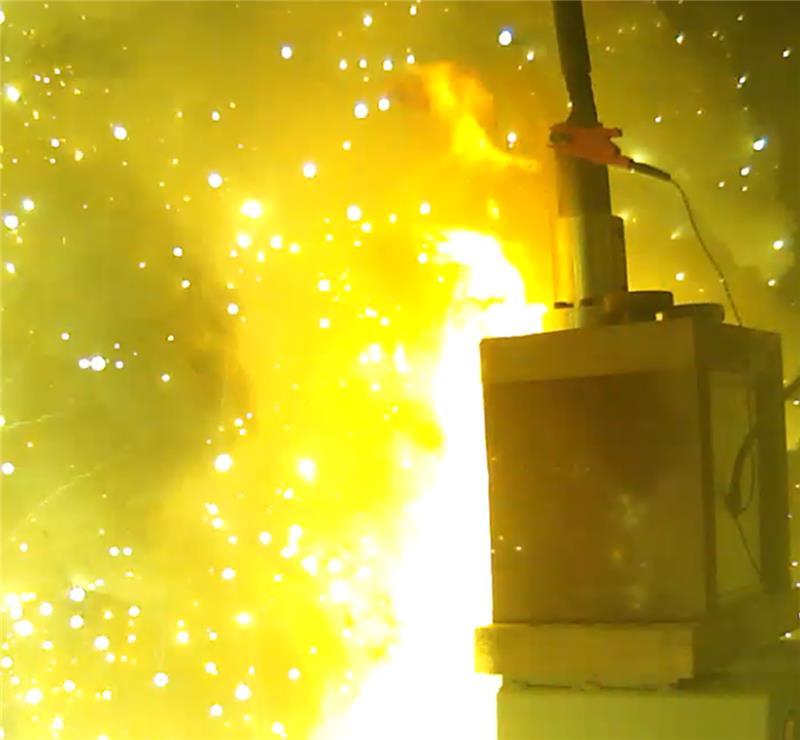
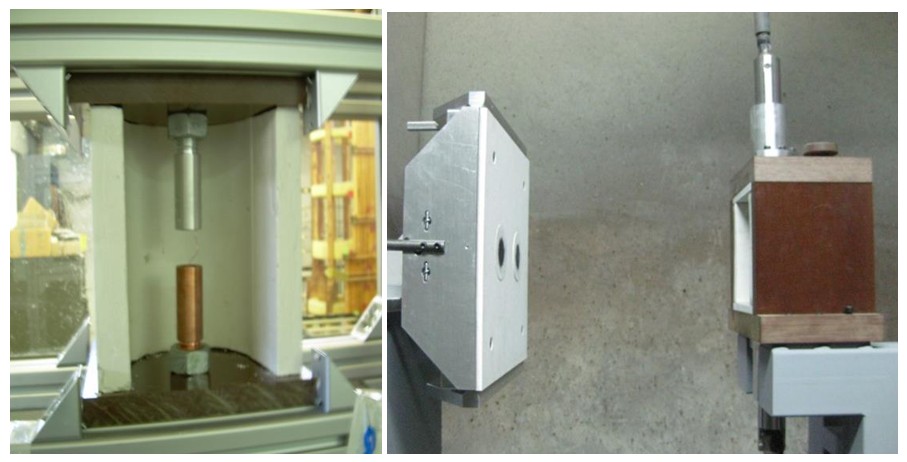
THE MAIN CHARACTERISTICS OF THE LABORATORY LIMITED AND DIRECTED ELECTRICAL ARC TEST (BOX TEST)
> Class 1 (4kA) or class 2 (7kA)
> Voltage: 400 volts
> Arc duration: 500 ms
> Upper electrode, aluminium
> Lower electrode, copper
> Distance between electrodes: 30mm
> Distance between sample and electrodes: 300 mm
> The arc is generated by a thin copper fuse wire
> Directed and limited arc (unidirectional)
TESTS PERFORMED AT THE AITEX TEST ROOMS FOR LIMITED AND DIRECTED ELECTRIC ARC
> Protective material and garments
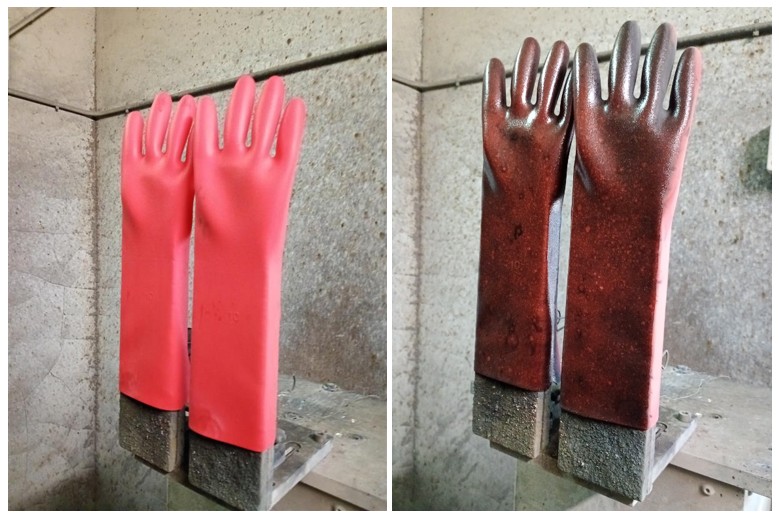
> Protective material and gloves
> Articles designed for eye and face protection
TYPES OF PPE THAT CAN BE TESTED FOR LIMITED AND DIRECTED ELECTRIC ARC
> Fabrics and garments
> Gloves
> Face shields
REQUEST MORE
INFORMATION
If you would like to receive more information, please fill in and submit the form, and we will contact you.
HOW IS EACH PPE EVALUATED DURING A BOX TEST?
TEST METHOD FOR MATERIALS
The method is used to measure and determine the response of the material to arc exposure when tested lying flat, measuring the thermal energy transmitted through the material.
A material passes the test if:
> Incident energy values transmitted (Eit) and the time taken to reach maximum temperature (tmax) are always below the limits set by Stoll. In addition, the incident energy transmitted curve (Eit) versus time (t) remain below the Stoll curve at all times during exposure, ensuring the material does not cause second-degree burns.
> The afterflame time is less than or equal to 5 seconds
> The material does not melt through the inner side
> There is no hole larger than 5 mm in any direction in the innermost layer
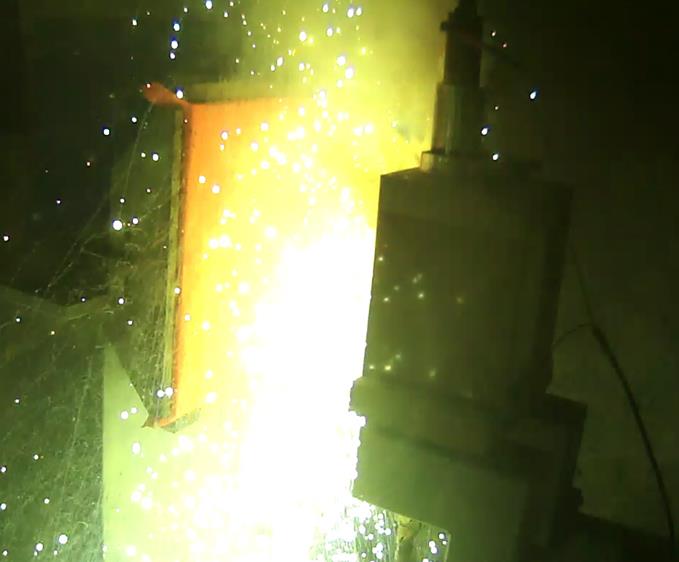
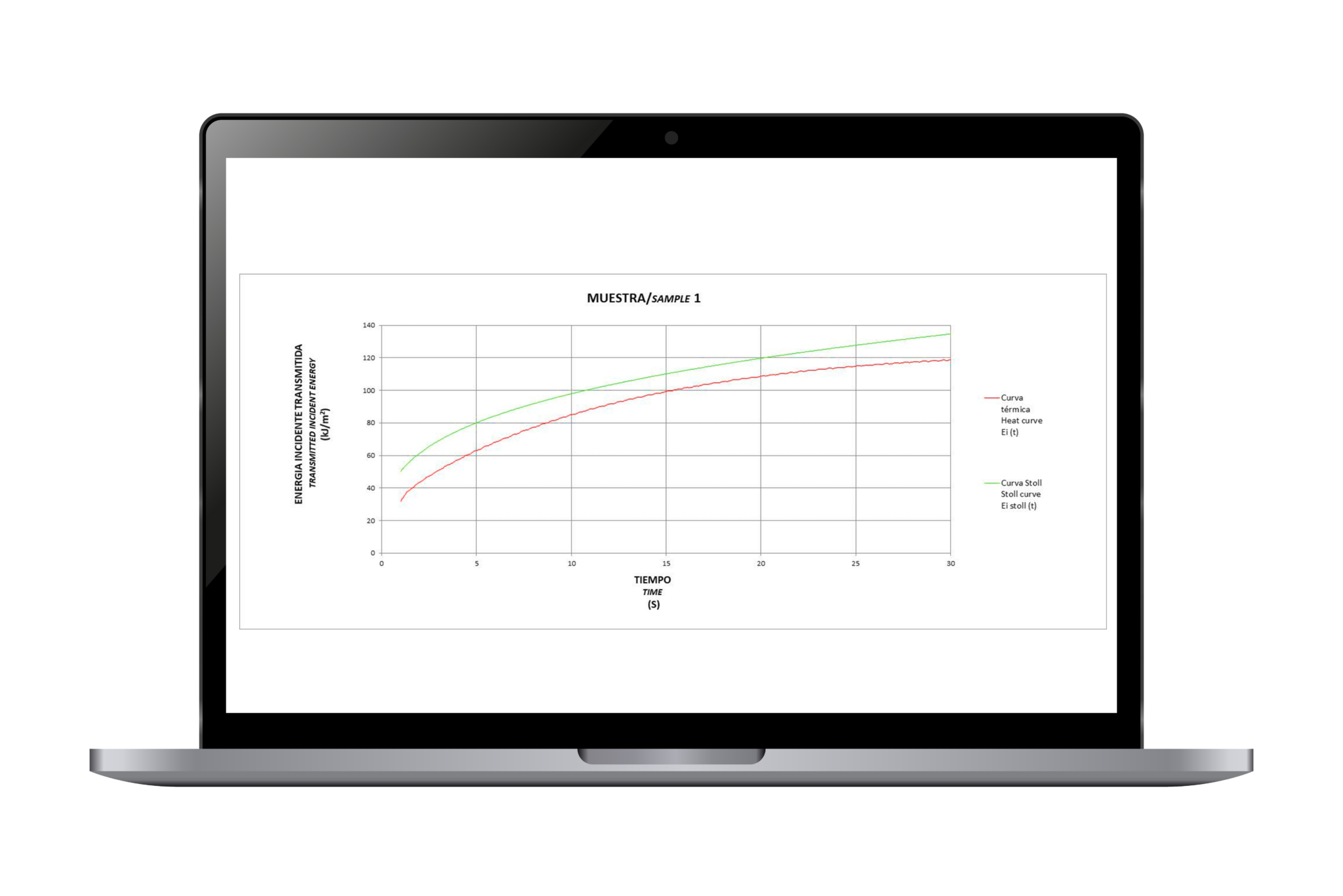
A fundamental element in this assessment is the Stoll curve, a function that relates energy and time to establish the point at which human skin would suffer a second-degree burn. During the BOX TEST, sensors located under the fabric measure the incident energy that passes through and generate a specific curve.
This curve must always remain below the Stoll curve throughout the 30 seconds of test, guaranteeing that the fabric does indeed act as an effective thermal barrier. If the test curve exceeds the Stoll curve at any point, there is considered to be a risk of thermal injury, and the material fails. This comparison is one of the main requirements of the test and forms the basis on which the energy suitability of the fabric is determined.
TEST METHOD FOR GARMENT
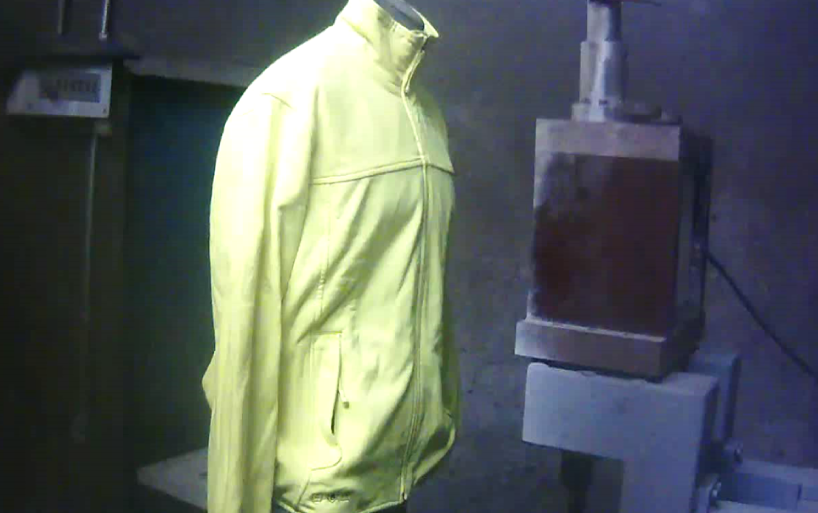
The test assesses the performance of seams, accessories, fastening systems, etc. of PPE, to ensure that the consequences for workers exposed to electric arcs are not aggravated by the clothing itself. This test does not measure the heat flux transmitted.
A garment passes if:
> After exposure, the accessories and fasteners remain functional and have no negative influence on the results of burning time, melting and hole formation.
> The burning time (afterflame) is less than or equal to 5 seconds
> There is no melting on the inner face
> There is no hole larger than 5 mm in any direction in the innermost layer.
TEST METHOD FOR FACE SHIELD
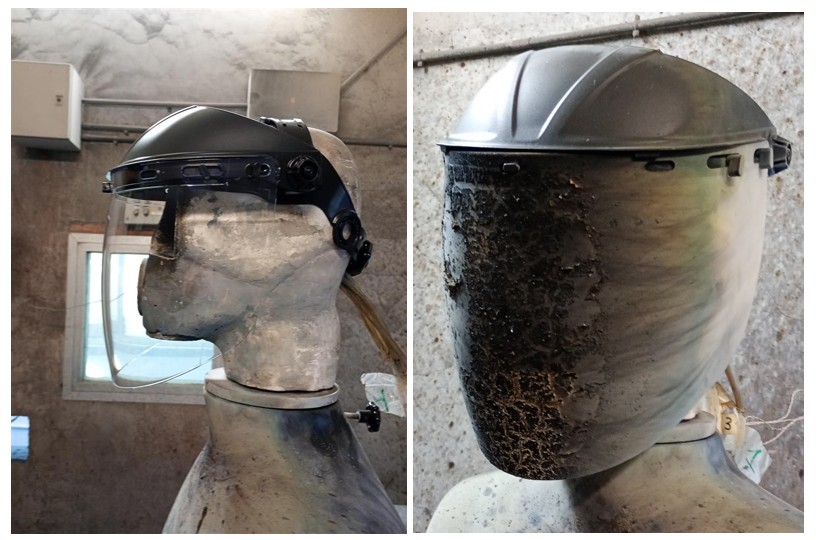
A face shield passes the test if, after the electric arc is extinguished, all tested samples of the protective device or shield meet the following visual inspection and performance criteria:
> No flame is observed inside the shield
> The burning time of any part of the shield must not exceed 5 seconds
> There is no evidence of melting, molten material or burnt pieces that could penetrate the shield.
> There is no breach of the single or multi-layer face screen or filters
> The test sample can be easily removed from the test head after exposure to the electric arc.
OTHER AREAS OF AITEX
AITEX provides a range of services aimed at companies that develop products for markets in different areas and sectors of application. These services to companies fall within the following areas of activity.